Contrast in Photography: Enhancing Visual Impact
-
 Loading...
 - Richard Moore
- 18 Oct 2024
- 42 Views
- 0 Like
- 0 Comment
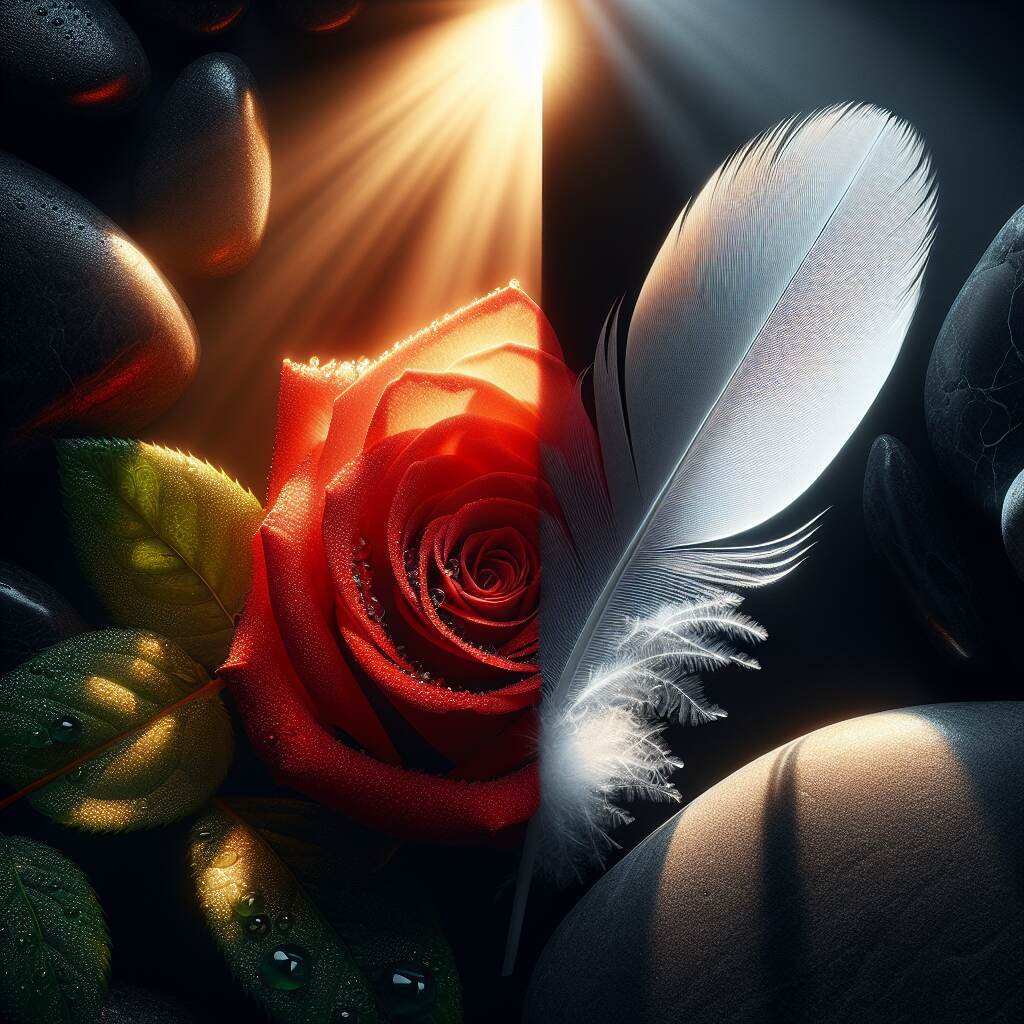
Contrast is a fundamental element in photography that plays a crucial role in capturing the viewer's attention and conveying the intended message. It is the difference between light and dark areas in an image, which can significantly affect the visual impact and clarity of a photo. By understanding and using contrast effectively, photographers can accentuate the disparities between light and shadow, highlight the subject, and create mood or emotion in their compositions.
Understanding Contrast in Photography
Contrast is a powerful tool in photography that allows us to emphasize certain elements of an image and create a sense of depth and structure. By understanding the different types of contrasts, we can learn how to use them effectively to convey the mood, emotion, or concept we want to portray.
Types of Contrast in Photography
There are several types of contrast in photography, including:
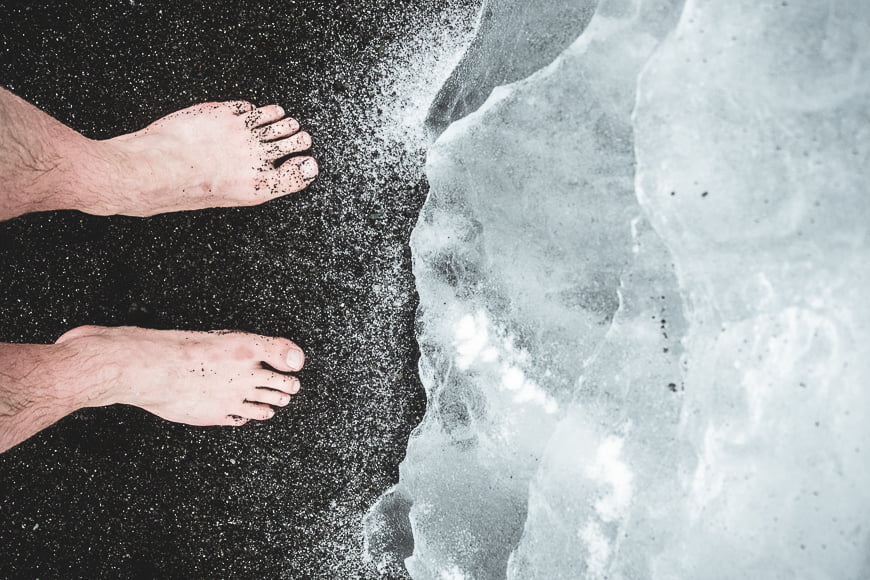
- Tonal Contrast: Tonal contrast refers to the difference in brightness between the lightest and darkest areas of an image. We can enhance the impact of a photo by using lighting and shadows to accentuate the important elements.
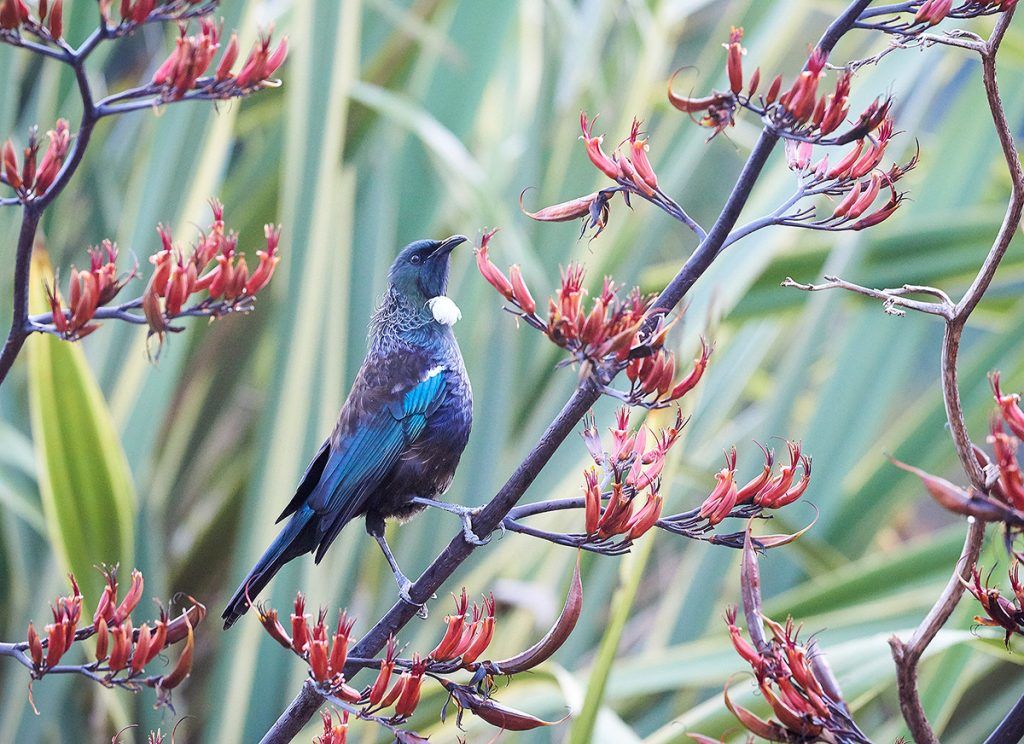
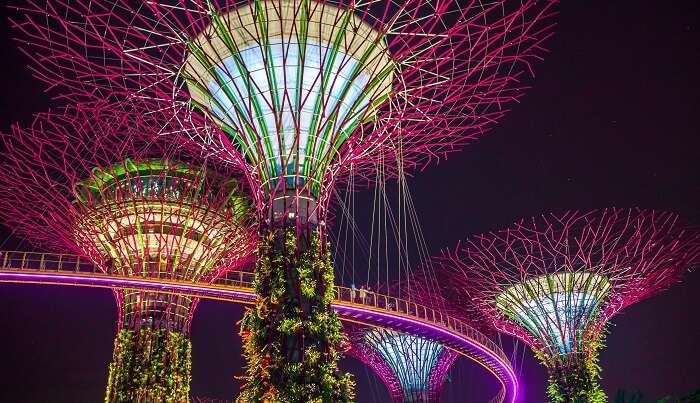
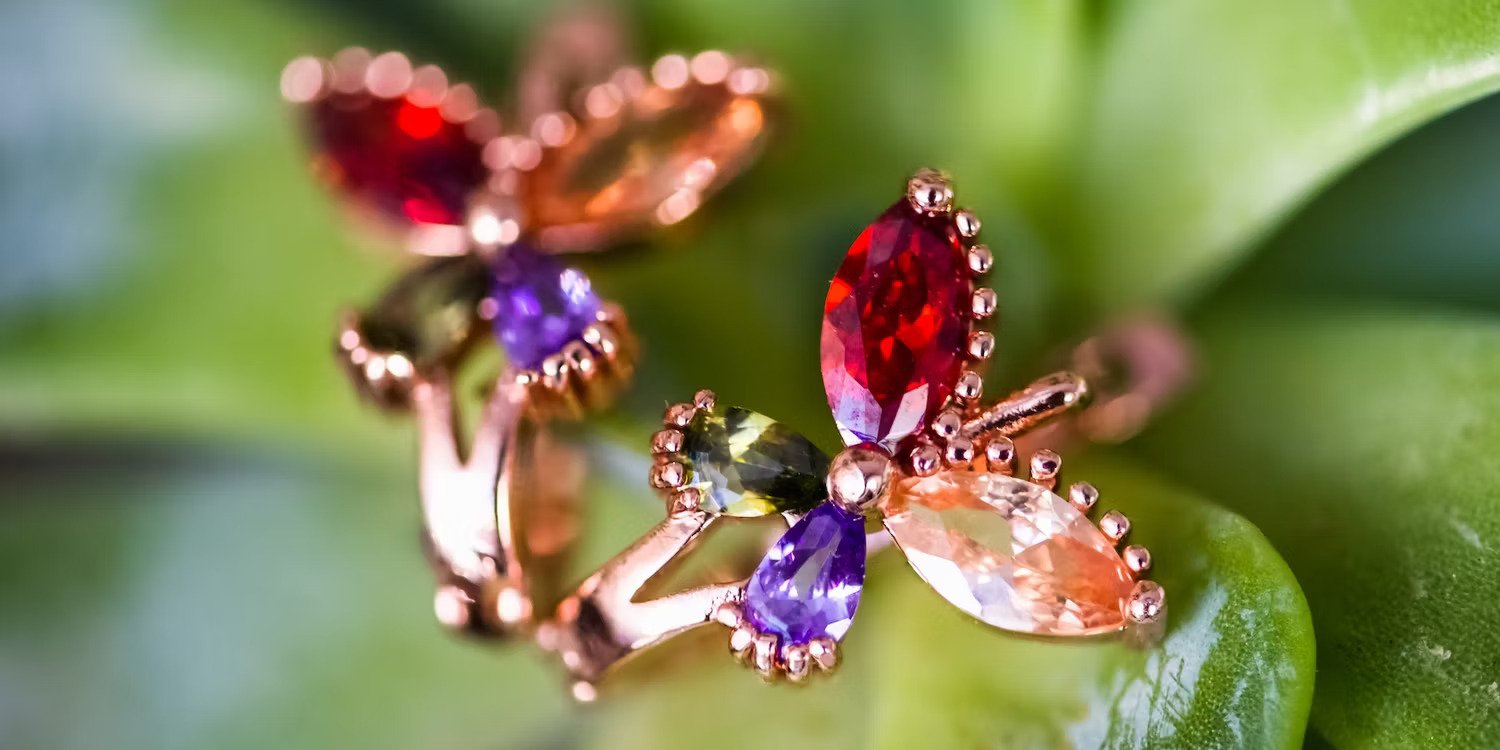
- Color Contrast: Color contrast is another powerful tool we can use to enhance the visual impact of a photograph. We can achieve this by juxtaposing different colors that complement or clash with each other, depending on the desired effect.
- Subject Contrast: In subject contrast, we focus on complex contrasting elements within the composition, such as shape, texture, or even the ideas represented by the subjects themselves. This type of contrast allows us to tell a story and convey a deeper meaning through our images.
Manipulating Contrast for Mood and Storytelling
Enhancing visual impact in photography often involves manipulating contrast to evoke different moods and tell engaging stories. By using contrast effectively, we can guide the viewer's emotional response and elevate the storytelling aspect of our photos.
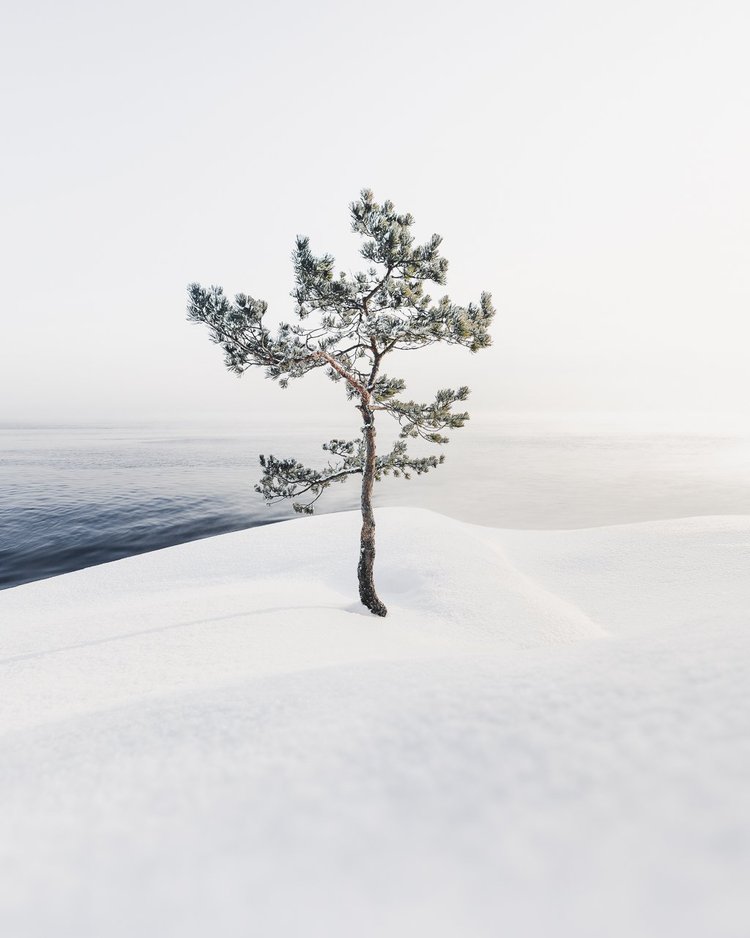
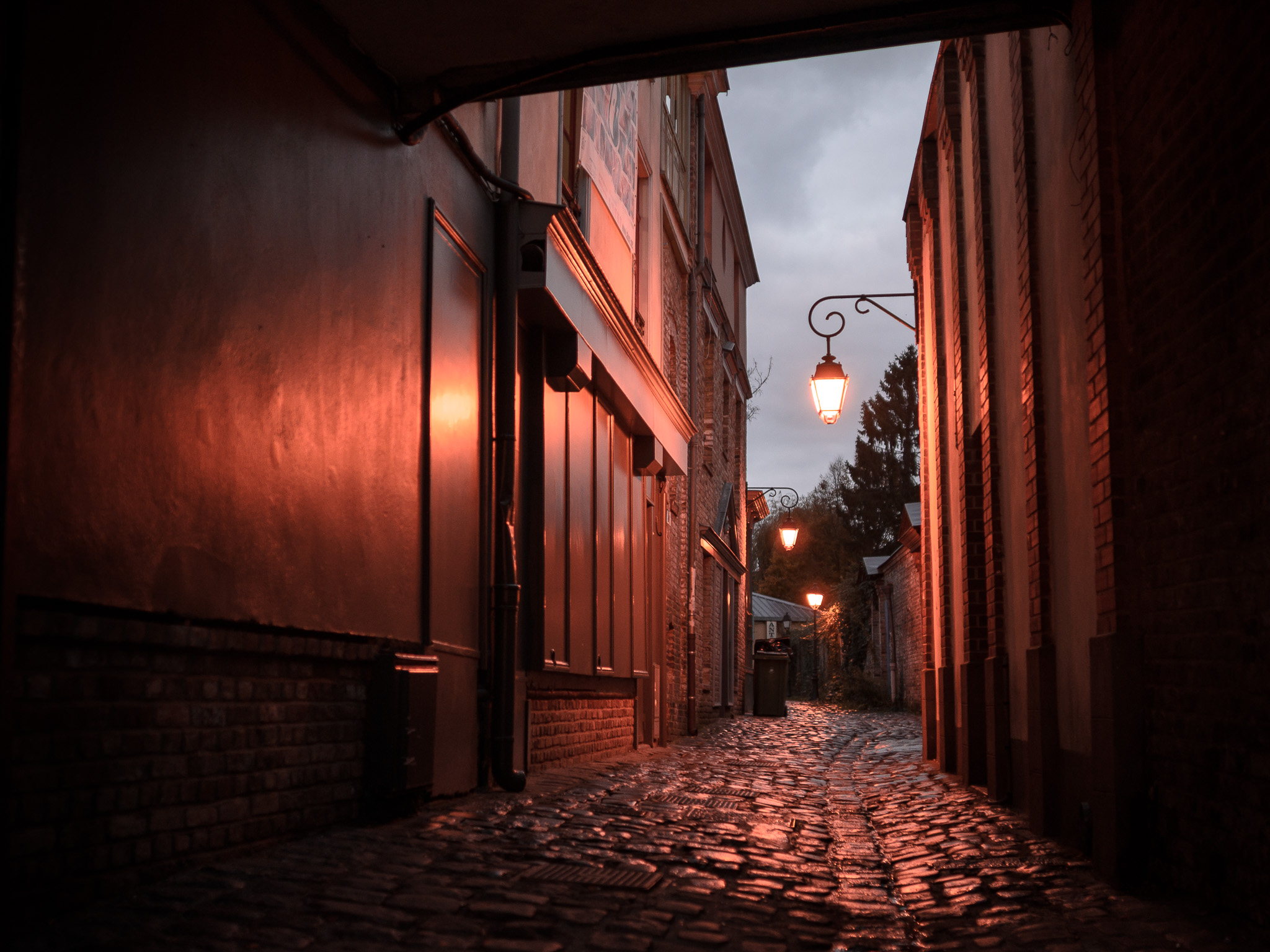
- High Key and Low Key Photography: High key and low key photography are two techniques that let us control contrast and manipulate viewers' moods. In high key photography, images are predominantly bright with minimal shadows. This technique creates a light, cheerful mood and can produce emotional responses such as happiness and optimism. On the other hand, low key photography mainly consists of deep shadows and darker tones, which can convey a sense of drama, tension, or mystery.
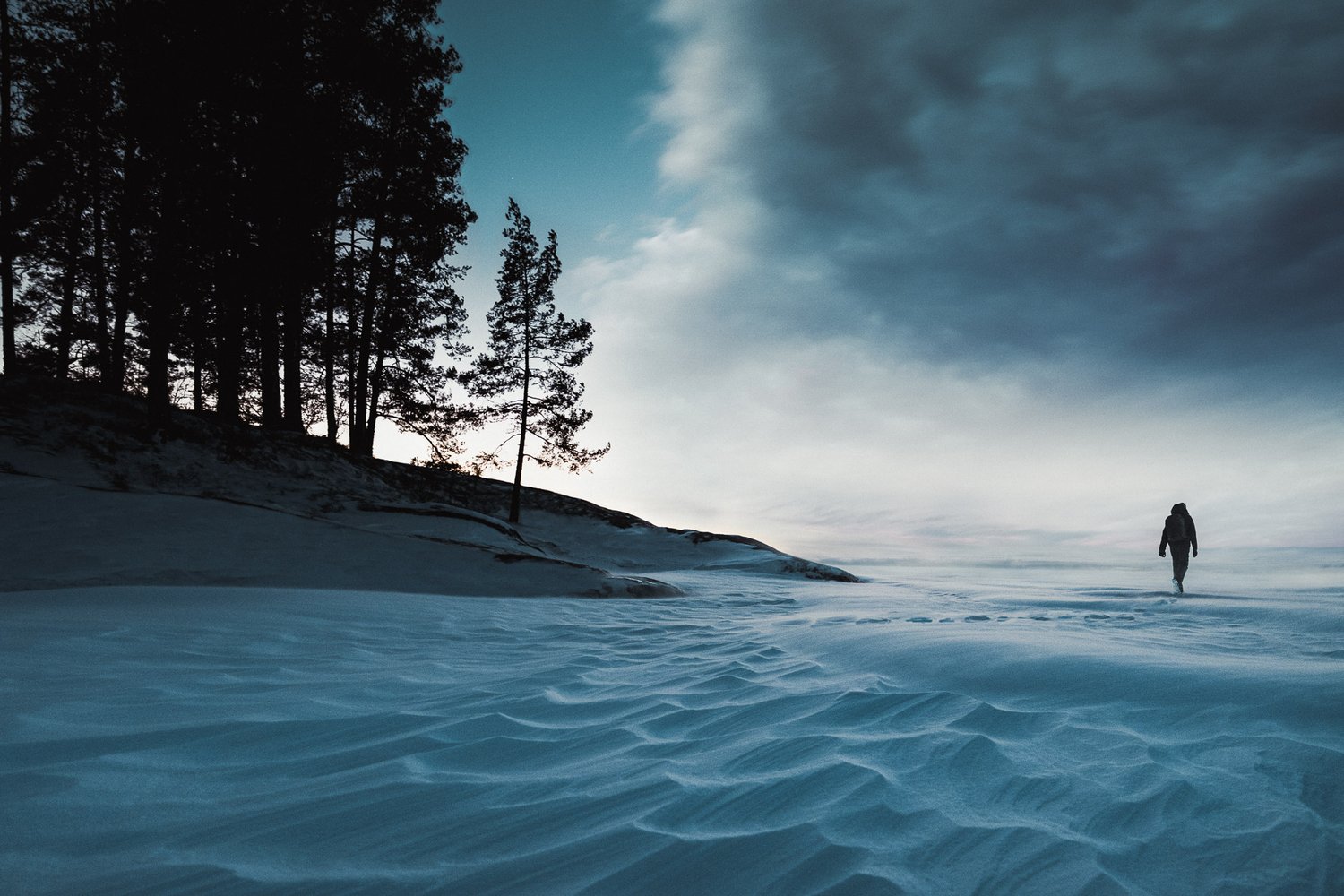
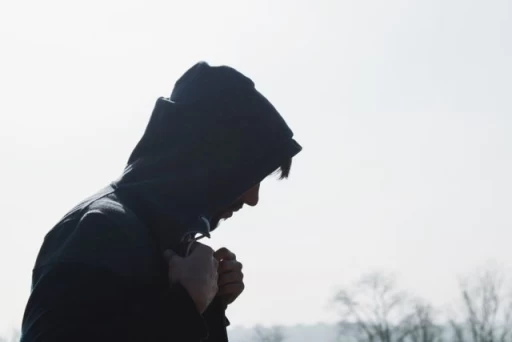
- Silhouettes: Silhouettes can also make an image more intriguing, as they rely on the contrast between the subject and its background. By capturing silhouettes, we create a strong visual impact, leaving room for the viewer's imagination and stimulating curiosity about the subject's identity or emotions.
Post-Processing Techniques for Contrast
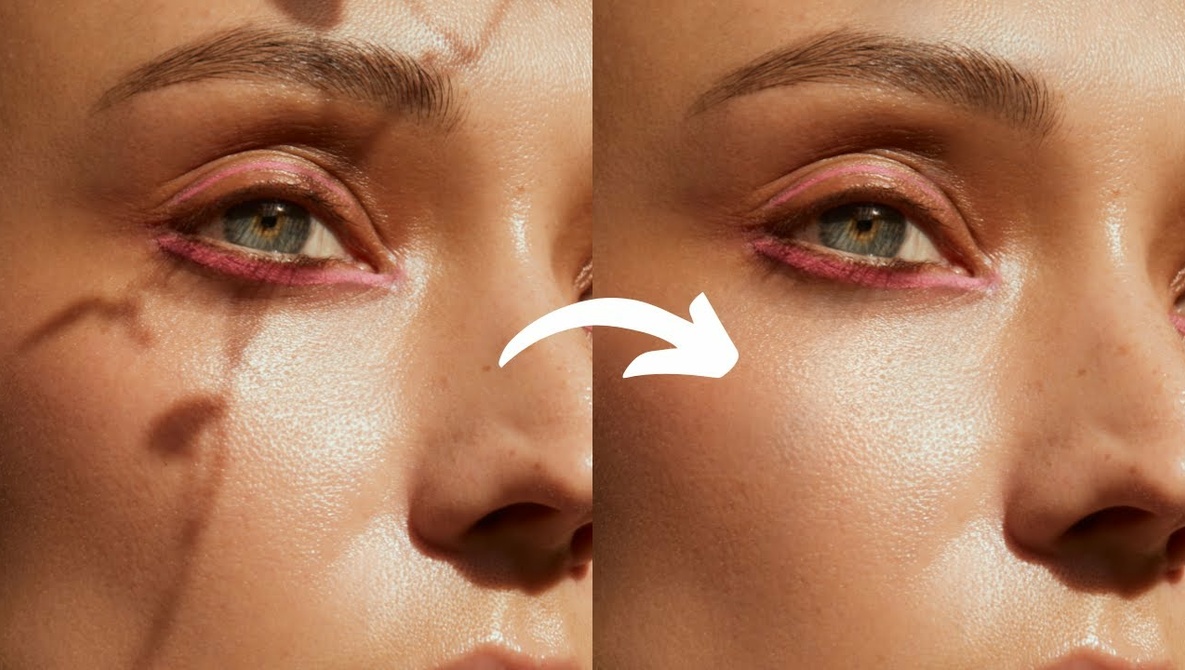
Both Luminar Neo and Lightroom are excellent post-processing software options to enhance contrast in your images. We can use these tools to manipulate the levels of brightness and darkness in our photos.
- Brightening with Luminar Neo and Lightroom: Luminar Neo offers a variety of contrast adjustment filters, allowing us to brighten or darken targeted areas seamlessly. In Lightroom, the Tone Curve is a powerful feature for boosting contrast.
- Creating High and Low Contrast Images: When working on high contrast images, our primary focus is increasing the difference between light and dark elements. By doing so, we can achieve a more dramatic and visually striking result. A popular technique is to emphasize strategic use of light and shadows in black and white photography. On the other hand, for low contrast images, our goal is to soften the differences between bright and dark areas. This can create a more subtle, calm, and often dreamy appearance.
Frequently Asked Questions
- What are the benefits of high contrast in photos?: High contrast in photos can make the subject stand out and create a powerful visual impact. By emphasizing the differences between light and dark areas, high-contrast images are more dynamic and can evoke strong emotions in the viewer.
- How does color contrast improve visual impact?: Color contrast improves visual impact by making certain elements or colors stand out from the rest of the photo. Using complementary colors, such as red and green or blue and orange, can create striking images that instantly capture the viewer's attention.
- When is low contrast photography preferred?: Low contrast photography is preferred when the photographer aims to create a softer, more subtle effect.