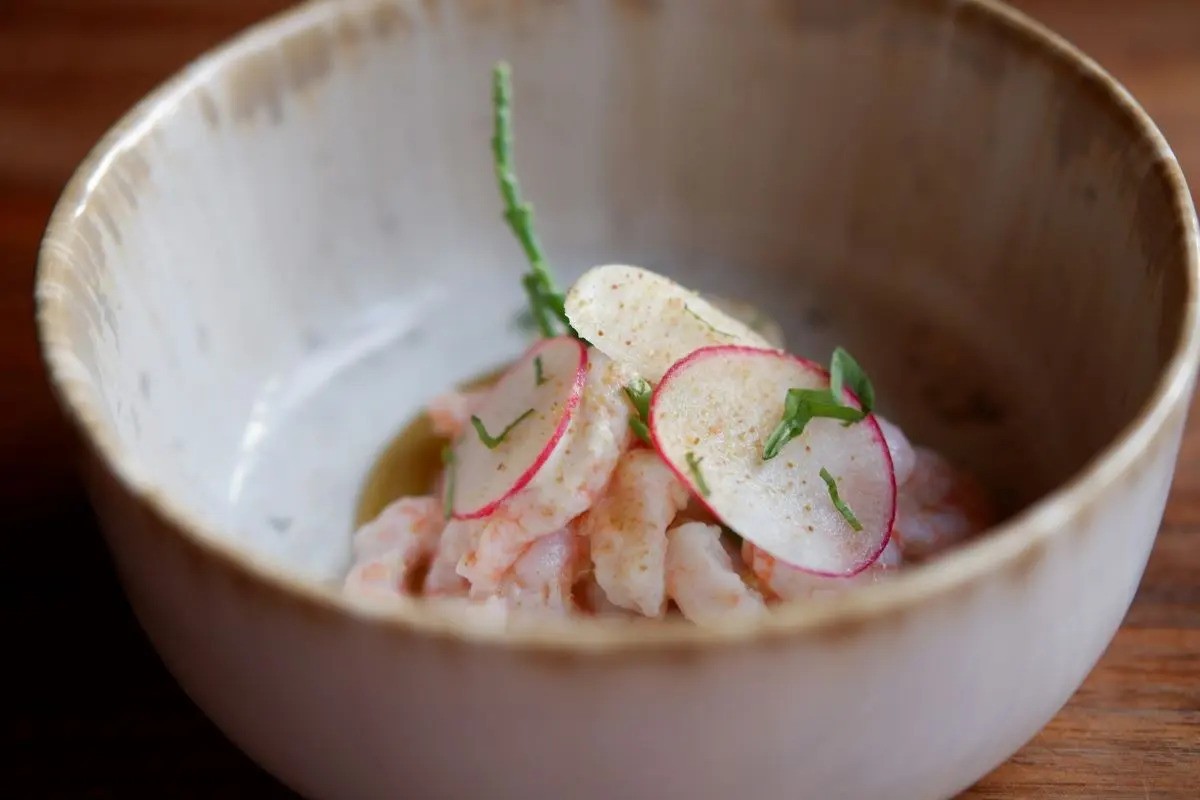
Copenhagen food
-
 Loading...
 - Valerian Huber
- 07 Jul 2022
- 122 Views
- 0 Like
- 0 Comment
You may have heard of Noma – one of the best restaurants in the world that’s located in Copenhagen but let’s start with typical and traditional Danish food that you can find all around Copenhagen.
Danish cuisine is simple and originates from peasant produce that could be easily farmed or gathered during short summers. Root vegetables, cabbage, meat, fish and rye bread were always staples in Denmark.
Ideal Danish breakfast, lunch and dinner
Most Danes eat three regular meals during the day: cold breakfast at home, cold lunch at work or at school and warm dinner at home with their families. Typical Danish breakfast is bread (white or rye bread) with cream or soft cheese, sausage, cured cold meat or jam with coffee or tea. Among popular breakfast dishes are also cereals and porridge. One of the most interesting things and a very traditional Danish food you can eat in Copenhagen is øllebrød. It is a porridge made of rye bread (rugbrød) and beer(typicallyhvidtøl). This is a thrifty dish, traditionally prepared by the monks in monasteries with bread scraps dipped in beer in order not to waste any of them. Nowadays Øllebrød is sweetened and served with whipped cream and lemon or orange zest.
For a quick lunch at school or at work Danes usually have a sandwich – typical
smørrebrød
Dinner is warm, eaten at home with the family and it is usually one main course – meat with potatoes and other vegetables. Crispy pork with parsley sauce and potatoes is considered a national Danish dish so you must try it.
Sweet Danish snacks
When craving a dessert in Copenhagen, reach for Flødeboller. These are round flat biscuits topped with cream or egg white beaten with sugar syrup and coated in melted chocolate. You can buy them from chocolatiers and bakeries in Copenhagen.
Another popular sweet snack is Æblekage which means “apple cake” in Danish, but there’s no cake involved here. This dessert consists of layers of toasted, sweetened breadcrumbs, applesauce and a generous dollop of whipped cream. It’s an ideal dessert, easy to make and it tastes pretty good.
When in Denmark you should also know Licorice (called “lakrids” in Danish) – this herb extraction is used in Denmark in sweets, desserts, cakes, and cookies and in some traditional dishes. Try salty lakrids – typical Danish candy and find out whether you like it as much as Danes do.
What do Danish people drink?
Denmark has one of the highest coffee consumptions in the world so you can have coffee (Kaffe in Danish) throughout the day, morning to evening the way you like it – a wide variety of coffee brews are available in Copenhagen cafés.
Traditional Danish beverages
What else is worth trying? Hyldeblomsaft – an elderflower juice mixed with water. It is usually served cold, but you might try it served hot in winter.
You might also try koldskål (literally cold bowl). Koldskål is a typical Danish food – it is a sweet cold dairy beverage often eaten with crispy and crushed biscuits. The dish has its roots in the 1900s when buttermilk became commonly available in Denmark. It is still a dessert, or a snack eaten chilled during summer. You can buy it from a range of dairies, like the popular Arla.
Beer and alcohol
Skål means toast and you will hear that at every Danish party. This is a word known in all Scandinavian countries. By saying this, the Danes wish you good fortune and good health. Beer (øl) has been widely consumed in Denmark over the ages. Having a beer is an activity favoured by many Danes after work or when relaxing or socializing. Carlsberg and Tuborg are the biggest Danish producers of beer but over the last few years, many small breweries have been set up all over the country, so the variety of beer is incredible.
Typical Danish alcoholic beverages include akvavit, mjød and gløgg. Akvavit called snaps as well is a high proof spirit made from potatoes and flavoured with a variety of herbs. Mjød is mead, it is made of fermented honey with water and spices. It is said the Vikings were the first to discover it. Gløgg is a hot punch of red wine with raisins and almonds spiced with cloves and cinnamon – make sure you try it in the Christmas season. Read More...