Danish cuisine
-
 Loading...
 - Alexander Wagner
- 07 Jul 2022
- 133 Views
- 0 Like
- 0 Comment
Over the past 30 years, traditional Danish food has been re-invented as New Nordic Cuisine. It emphasises the use of local and seasonal ingredients and is a hit with both local and international foodies.
What is traditional Danish food?
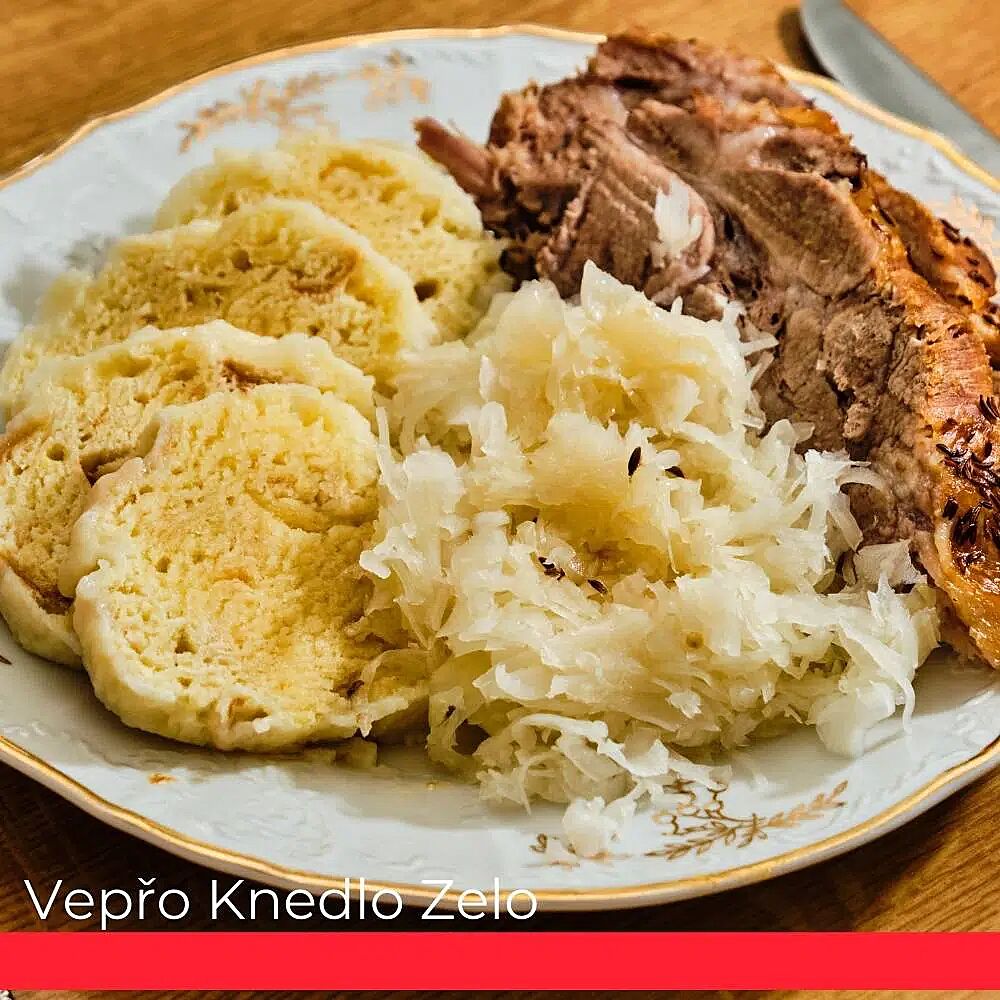
Traditional Danish food is based on what was historically available nearby or could be farmed during Denmark's short summers. Cabbage and root vegetables like beets were an important part of the diet, along with rye bread, fish, and pork.
Open-faced sandwiches, known as smørrebrød, are among the best-known examples of traditional Danish cuisine. These small half-pieces of rye bread are topped with fried fish, pickled fish, eggs, potatoes, or cold meat, and sometimes horseradish and onion. They are eaten at lunchtime, either as part of a packed lunch or in a company cantine.
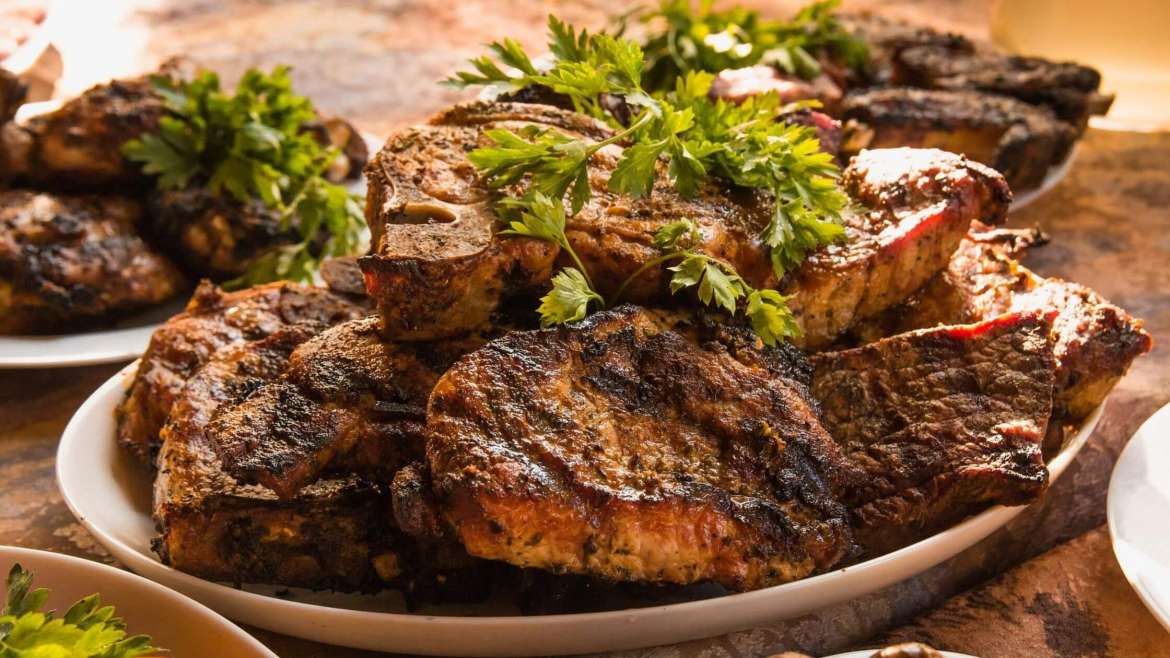
Larger traditional meals are often based on fish or pork, sometimes ground and fried as meatballs. The "national dish of Denmark" is stegt flæsk - pieces of pork, fried until crisp, and then served with boiled potatoes and parsley sauce.
Ironically, the tasty frosted pastries known to much of the world as "Danish" are not Danish at all. They originated in Austria, and are known to the Danes themselves as "Viennese bread." Read More...