Court stops crossbreeding of wildlife like rhino, lion, giraffe
-
 Loading...
 - Candice Duan
- 29 Mar 2023
- 121 Views
- 0 Like
- 0 Comment
The high court in Pretoria has recently overturned decisions by the agriculture department that would allow genetic manipulation and cross-breeding of wildlife in the same way that domestic livestock bred to obtain specific characteristics for agricultural purposes.
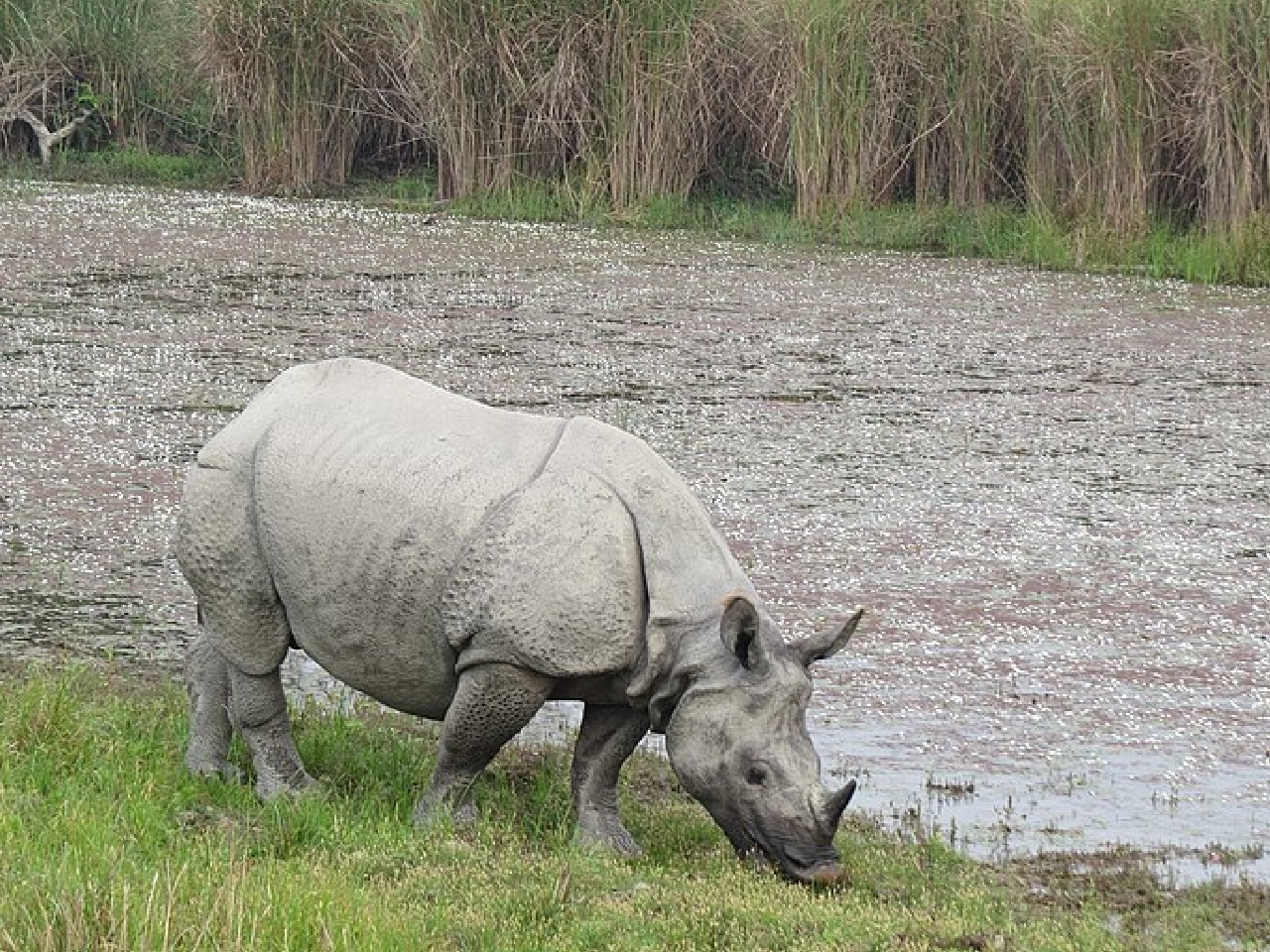
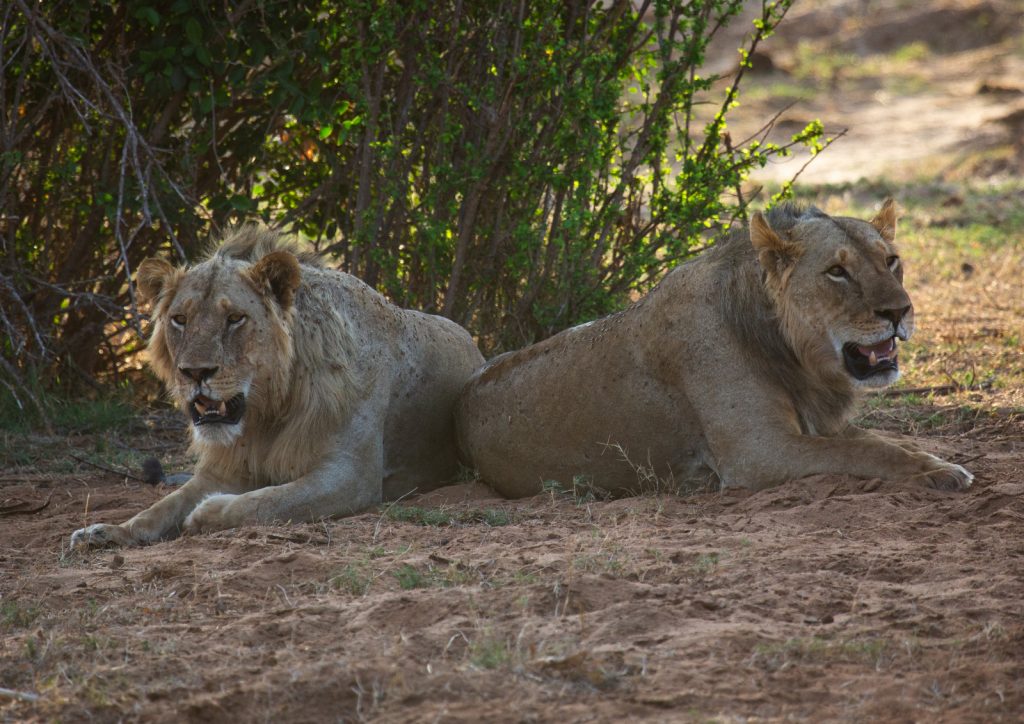
The agriculture department sought to list 45 wildlife species, including giraffes, zebra, lions, cheetahs and rhinos, together with landrace breeds (indigenous and locally developed) in the Animal Improvement Act (AIA), which are subject to intensive breeding for commercial and agricultural-type production purposes.
On 10 June 2016 and 10 June 2019, the department of agriculture, land reform and rural development, formerly the department of agriculture, forestry and fisheries, published two amendments to tables 7(a) and 7(b) of the AIA regulations.
Through these amendments, several wild animal species were declared as “landrace breeds” and “locally adapted and regularly introduced breeds (other declared breeds)” for purposes of the Act.
The wild animals, which included threatened and protected species, are black wildebeest, blue duiker, blue wildebeest, bontebok, gemsbok, impala, oribi, red hartebeest, roan antelope, sable antelope, springbok, tsessebe, Rau Quagga zebra, Cape buffalo, blesbok, Cape eland, kudu, waterbuck, nyala, bosbok, klipspringer, common duiker, red duiker, steenbok, Cape grysbok, Sharp’s grysbok, suni, grey rhebok, mountain reedbuck, lechwe, Burchell’s zebra, Cape Mountain zebra, Hartman’s Mountain zebra, giraffe, white rhinoceros, black rhinoceros, lion, and cheetah.
Non-indigenous species included white-tailed deer, red deer, fallow deer, mule deer, roe deer, and black-tailed deer.
In the judgment handed down on 3 March, acting Judge P van Niekerk reviewed and set aside the amendments of the regulations, describing the listing as “irrational” and the impugned decisions as having “potential catastrophic results” for wildlife in South Africa. Read More…