Crime novel on the pulse of Basel: A dead banker and a dead climate protector
-
 Loading...
 - Jake Martin
- 05 Sep 2022
- 71 Views
- 0 Like
- 0 Comment
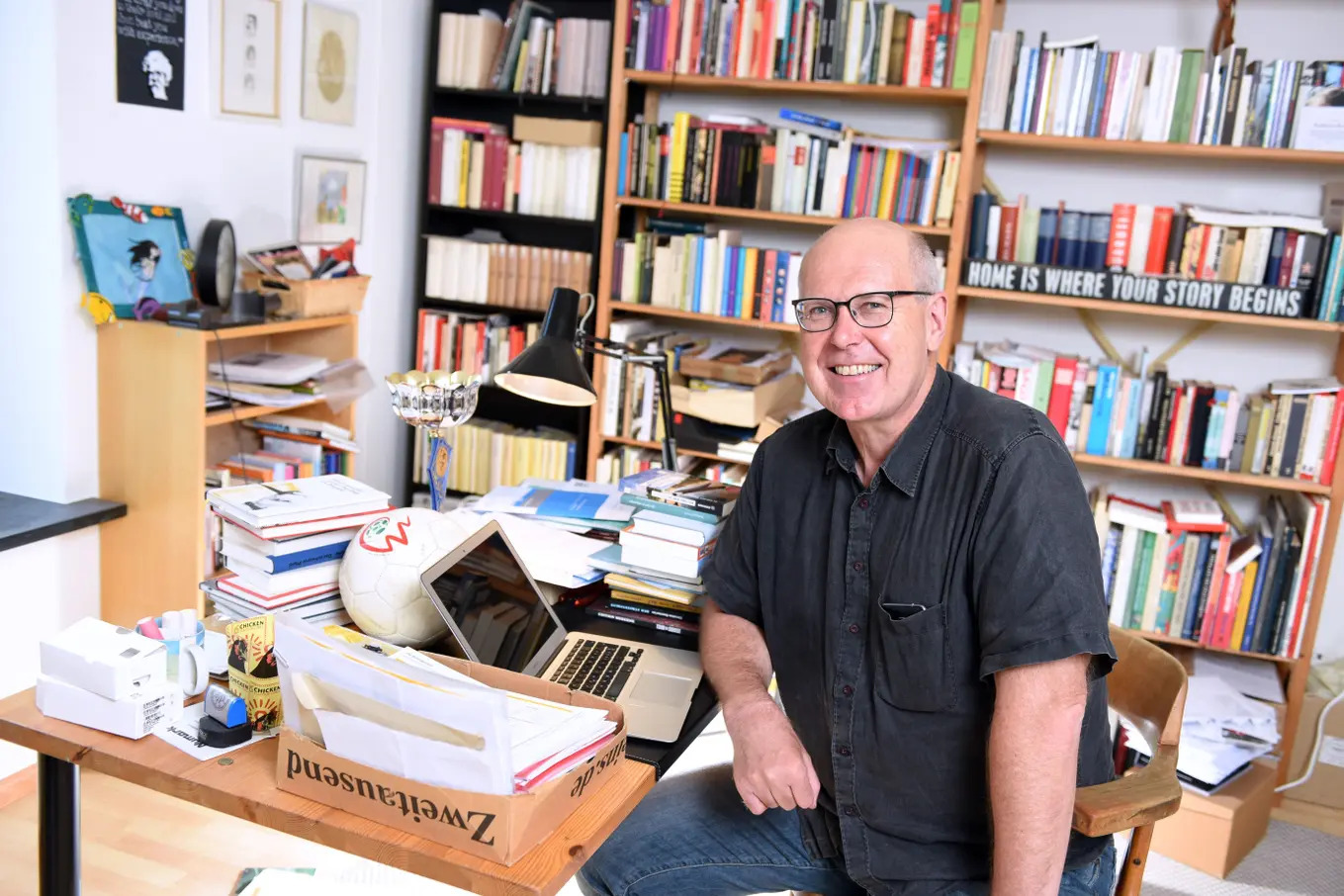
Basel is “on the verge of a state of emergency”: in addition to political and social issues such as the beggars, the corona pandemic and the climate strikes, two men are shot dead around August 1st amid the banging and noise. And these two victims in "Basler Gleichstand", the new crime novel by Basel author Wolfgang Bortlik, are not just any people from Basel.
Balthasar Rauchfuss, teacher and politician trusted by the climate strikers and man with a gloomy past, is shot in the stomach over a relief on the banks of the Rhine in Kleinbasel, directly opposite the cathedral. Just a few hours later, detective inspector Gsöllpointner received the news of a second death: the manager of a private bank, Martin Rübsamen, was found dead near the tram loop at Eglisee. And that was shortly after two youths from the climate movement kidnapped him on a whim.
A reflection of the debates in Basel
It's a tie, finds amateur detective Melchior Fischer: "A climate protector over there, a climate sinner as well." "1:1" sprayed on the walls of the city by strangers make this clear. The novel is already the fourth Bortliks with Fischer – who, however, in this case is involuntarily “deep in the morass” because of his climate-striking son.
Due to the constellation in the political and social life of Basel, Bortlik more or less subtly takes up a wide range of debates such as criticism of the public prosecutor's office, press garbage cans on the Rhine or the occupation of the banks and weaves them into his crime story.
But how are the two murders related? Are they politically motivated at all? And what role do the attacks on a young journalist, a music promoter from Kleinbasel and a civil servant play? There are many complex strands that Bortlik lays out on just 250 pages, which converge at various points in the small town of Basel.
Nevertheless, Bortlik occasionally exaggerates or falls into clichés, for example when all the young people in the novel are with the climate youth and one or the other grows grass in their own garden, of course. Female figures, meanwhile, only have a marginal place, for example as a wife, ex-wife or love subject. From time to time, however, Bortlik also shows his linguistic sensitivity, for example when he ironically incorporates phrases and ascribes to capitalism, for example, “that it is not the panacea. Exploitation, destruction and discrimination instead of peace, joy and pancakes". Read More…