This is how Swiss television gets rid of itself: Almost no Swiss books in the literature club
-
 Loading...
 - Megan Miller
- 05 Sep 2022
- 72 Views
- 0 Like
- 0 Comment
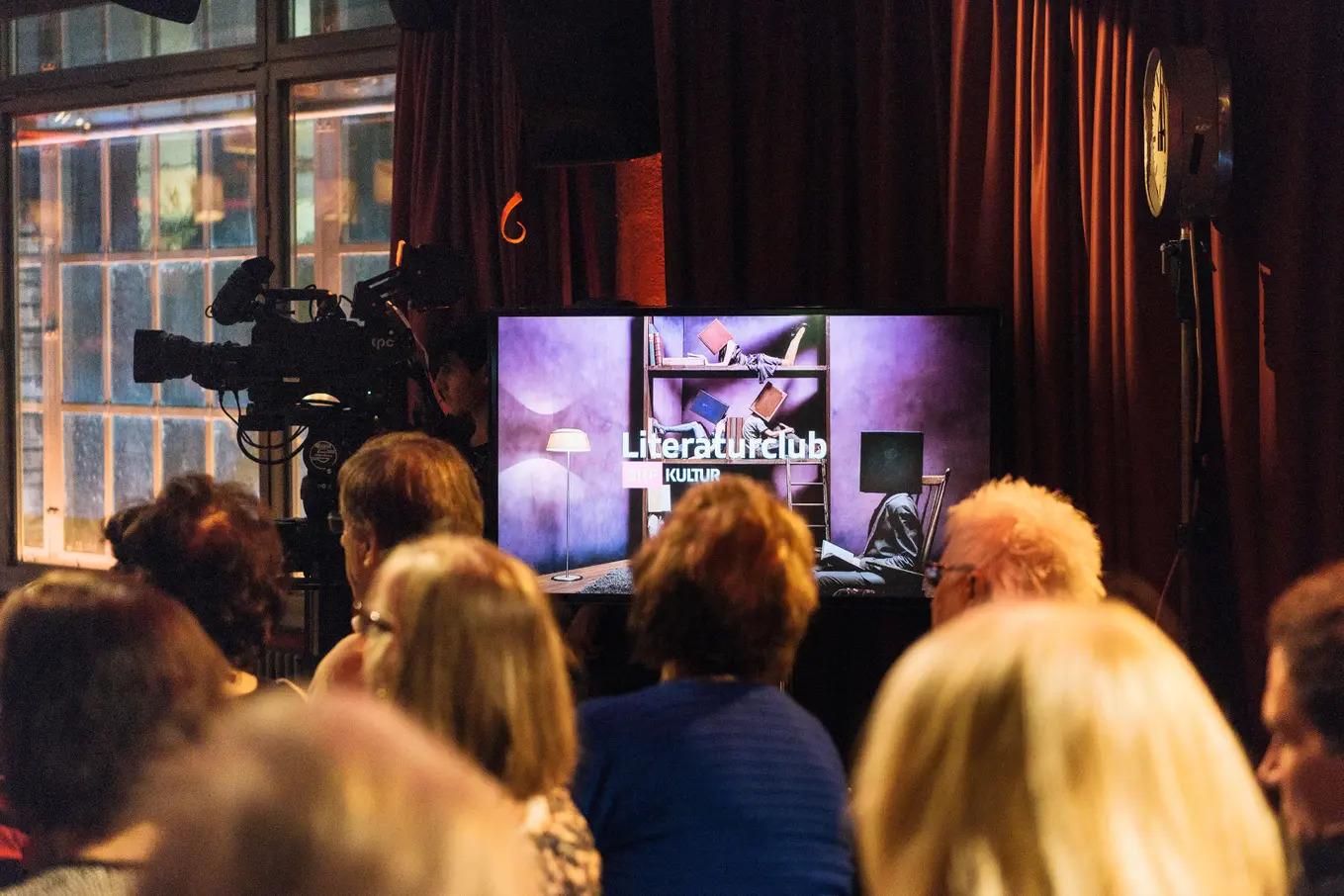
If you watch the literature club on SRF regularly, you have to assume that Switzerland has too little to offer when it comes to literature. Or that these rounds of critics simply find them too boring. After all, this literature club is the largest podium for controversial discussions about literature, the platform with the widest reach.
In the six programs this year so far, 24 books have been discussed. Only two of them were written by Swiss writers. That's not even 10 percent. The group only discussed Joachim B.Schmidt and Leta Semadeni. No wonder the discussion about Swiss literature is gradually drying up completely. That should make us think. Apparently, local literature and art are no longer a contentious issue and are only regarded as private enjoyment in this country.
It is a warning signal: where there is no argument, scathing, euphoric defense, there is no more urgency, no more energy. Let's just say it out loud: superfluous, irrelevant! Even at the many literary festivals in Switzerland, above all at the oldest, the Solothurn Literature Days, people don't argue, but above all listen with a nod. You can do that. But where is the argument?
This year there would have been a lot of aesthetically and thematically controversial novels from Swiss pen, about which one can also be divided. About Julia Weber's semi-private maternity book; Arno Camenisch's failed novel about someone who absolutely has to get out of Switzerland; Alex Capus' view of guild bigoted Basel in the 19th century; Rebecca Salm's look at acute village life, and and and.
Apparently none of this is an issue for the SRF literature club. That would be unthinkable in France, as well as in Germany and Austria. There, the public is also struggling with novels for their self-image. They argue about Michel Houellebecq, about Juli Zeh, about Elfriede Jelinek. In art, there are not only pompous aesthetic questions of style, but also not so difficult, but very accessible questions like: What do we want to be? Where do we go? How should we tell our past? Such questions could be negotiated using novels. Read More…