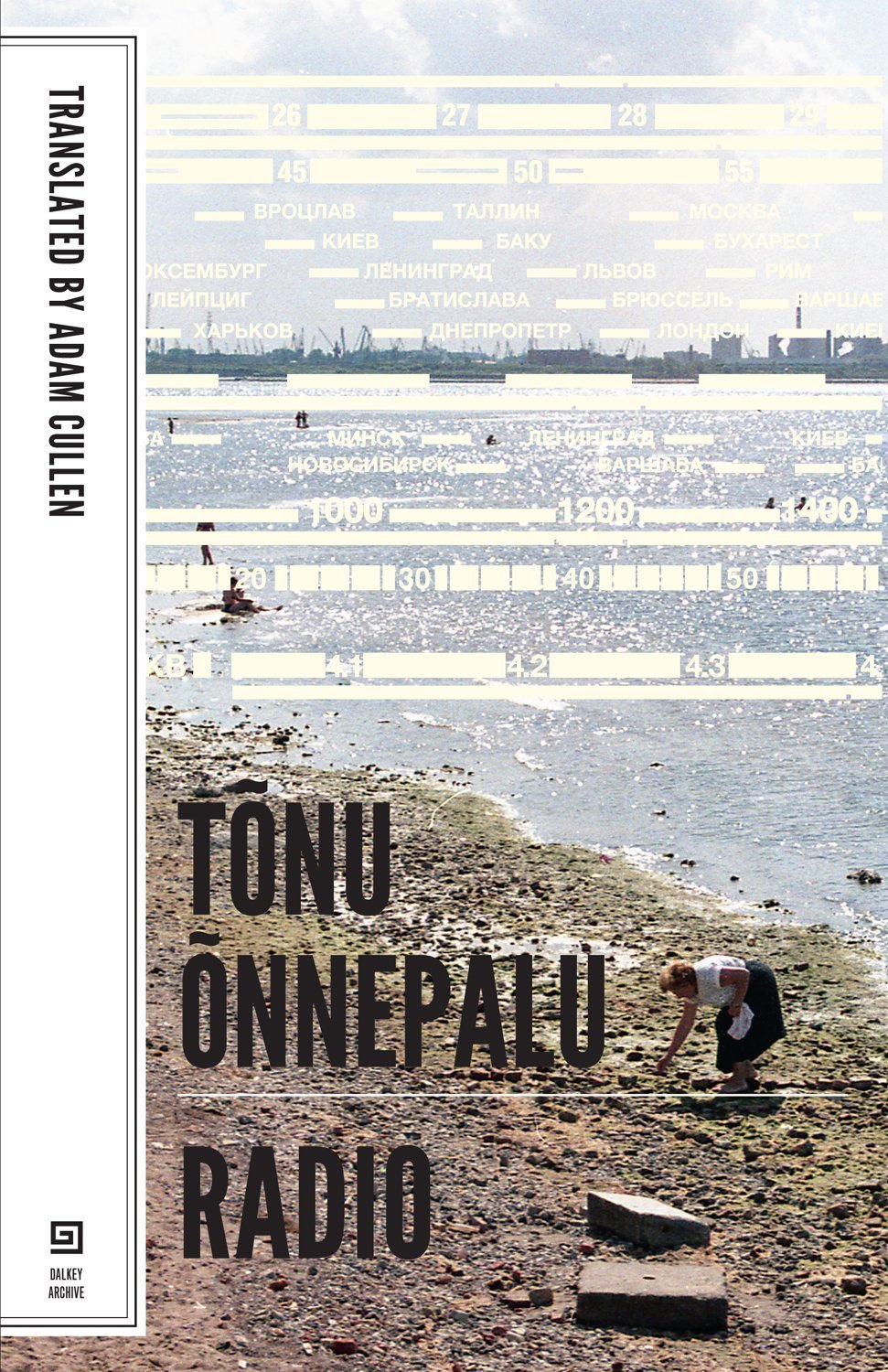
Book Review: “Radio” by Tõnu Õnnepalu
-
 Loading...
 - Quinian Armstrong
- 14 Apr 2025
- 23 Views
- 0 Like
- 0 Comment
Tõnu Õnnepalu’s novel Radio opens with the unassuming line, “A bus ticket from Tallinn to Tartu costs twenty Estonian kroons,” setting the stage for a narrative that spans over 600 pages. This seemingly mundane detail encapsulates the contrasts that permeate the book, as the narrator, an openly gay Estonian filmmaker, returns to his homeland after a decade in Paris. The stark differences between the glamour of France and the drabness of pre-EU Estonia quickly become apparent, particularly as the narrator often interjects French translations into his reflections.
The protagonist grapples with a profound identity crisis and low self-esteem, weaving together a memoir of a love affair, his thoughts on returning home, and a sharp critique of modern Estonia, its history, and its people. It is in this latter aspect that Radio truly shines, offering keen insights into contemporary Estonian life.
While the narrator is the central figure, the only other character who emerges with depth is Liz Franz, a famous singer and former lover. Her journey to stardom and her complexities are vividly portrayed, contrasting sharply with the more transient, two-dimensional minor characters who flit in and out of the narrative like cardboard cutouts. This lack of depth in supporting characters can leave the reader feeling detached from the story.
What elevates the novel is Õnnepalu’s astute observations of Estonian society. He captures the essence of modern life with sharp wit, as seen in his portrayal of an unemployed husband reliant on his working wife, who harbors creative ambitions yet resorts to politically incorrect commentary online. Such insights resonate with readers familiar with the nuances of contemporary life in Estonia, making for both humorous and unsettling reading.
However, the novel's length and the narrator's self-absorption can detract from the overall experience. The protagonist's narcissism drains sympathy, making it challenging for readers to connect with him or the drab characters he encounters. As the narrative progresses, even the clever observations about Estonian life begin to disrupt the flow, leading to a sense that the story could have been told more succinctly.
Despite its shortcomings, Radio follows in the tradition of literary classics, showcasing Õnnepalu’s talent for capturing the complexities of identity and culture. Yet, by the end of the novel, readers may find themselves feeling indifferent to the characters and their journeys. In essence, while Radio offers valuable insights and moments of brilliance, it ultimately leaves one questioning the emotional investment in its narrative.