Home Upload Photo Upload Videos Write a Blog Analytics Messaging Streaming Create Adverts Creators Program
Bebuzee Afghanistan Bebuzee Albania Bebuzee Algeria Bebuzee Andorra Bebuzee Angola Bebuzee Antigua and Barbuda Bebuzee Argentina Bebuzee Armenia Bebuzee Australia Bebuzee Austria Bebuzee Azerbaijan Bebuzee Bahamas Bebuzee Bahrain Bebuzee Bangladesh Bebuzee Barbados Bebuzee Belarus Bebuzee Belgium Bebuzee Belize Bebuzee Benin Bebuzee Bhutan Bebuzee Bolivia Bebuzee Bosnia and Herzegovina Bebuzee Botswana Bebuzee Brazil Bebuzee Brunei Bebuzee Bulgaria Bebuzee Burkina Faso Bebuzee Burundi Bebuzee Cabo Verde Bebuzee Cambodia Bebuzee Cameroon Bebuzee Canada Bebuzee Central African Republic Bebuzee Chad Bebuzee Chile Bebuzee China Bebuzee Colombia Bebuzee Comoros Bebuzee Costa Rica Bebuzee Côte d'Ivoire Bebuzee Croatia Bebuzee Cuba Bebuzee Cyprus Bebuzee Czech Republic Bebuzee Democratic Republic of the Congo Bebuzee Denmark Bebuzee Djibouti Bebuzee Dominica Bebuzee Dominican Republic Bebuzee Ecuador Bebuzee Egypt Bebuzee El Salvador Bebuzee Equatorial Guinea Bebuzee Eritrea Bebuzee Estonia Bebuzee Eswatini Bebuzee Ethiopia Bebuzee Fiji Bebuzee Finland Bebuzee France Bebuzee Gabon Bebuzee Gambia Bebuzee Georgia Bebuzee Germany Bebuzee Ghana Bebuzee Greece Bebuzee Grenada Bebuzee Guatemala Bebuzee Guinea Bebuzee Guinea-Bissau Bebuzee Guyana Bebuzee Haiti Bebuzee Honduras Bebuzee Hong Kong Bebuzee Hungary Bebuzee Iceland Bebuzee India Bebuzee Indonesia Bebuzee Iran Bebuzee Iraq Bebuzee Ireland Bebuzee Israel Bebuzee Italy Bebuzee Jamaica Bebuzee Japan Bebuzee Jordan Bebuzee Kazakhstan Bebuzee Kenya Bebuzee Kiribati Bebuzee Kuwait Bebuzee Kyrgyzstan Bebuzee Laos Bebuzee Latvia Bebuzee Lebanon Bebuzee Lesotho Bebuzee Liberia Bebuzee Libya Bebuzee Liechtenstein Bebuzee Lithuania Bebuzee Luxembourg Bebuzee Madagascar Bebuzee Malawi Bebuzee Malaysia Bebuzee Maldives Bebuzee Mali Bebuzee Malta Bebuzee Marshall Islands Bebuzee Mauritania Bebuzee Mauritius Bebuzee Mexico Bebuzee Micronesia Bebuzee Moldova Bebuzee Monaco Bebuzee Mongolia Bebuzee Montenegro Bebuzee Morocco Bebuzee Mozambique Bebuzee Myanmar Bebuzee Namibia Bebuzee Nauru Bebuzee Nepal Bebuzee Netherlands Bebuzee New Zealand Bebuzee Nicaragua Bebuzee Niger Bebuzee Nigeria Bebuzee North Korea Bebuzee North Macedonia Bebuzee Norway Bebuzee Oman Bebuzee Pakistan Bebuzee Palau Bebuzee Panama Bebuzee Papua New Guinea Bebuzee Paraguay Bebuzee Peru Bebuzee Philippines Bebuzee Poland Bebuzee Portugal Bebuzee Qatar Bebuzee Republic of the Congo Bebuzee Romania Bebuzee Russia Bebuzee Rwanda Bebuzee Saint Kitts and Nevis Bebuzee Saint Lucia Bebuzee Saint Vincent and the Grenadines Bebuzee Samoa Bebuzee San Marino Bebuzee São Tomé and Príncipe Bebuzee Saudi Arabia Bebuzee Senegal Bebuzee Serbia Bebuzee Seychelles Bebuzee Sierra Leone Bebuzee Singapore Bebuzee Slovakia Bebuzee Slovenia Bebuzee Solomon Islands Bebuzee Somalia Bebuzee South Africa Bebuzee South Korea Bebuzee South Sudan Bebuzee Spain Bebuzee Sri Lanka Bebuzee Sudan Bebuzee Suriname Bebuzee Sweden Bebuzee Switzerland Bebuzee Syria Bebuzee Taiwan Bebuzee Tajikistan Bebuzee Tanzania Bebuzee Thailand Bebuzee Timor-Leste Bebuzee Togo Bebuzee Tonga Bebuzee Trinidad and Tobago Bebuzee Tunisia Bebuzee Turkey Bebuzee Turkmenistan Bebuzee Tuvalu Bebuzee Uganda Bebuzee Ukraine Bebuzee United Arab Emirates Bebuzee United Kingdom Bebuzee Uruguay Bebuzee Uzbekistan Bebuzee Vanuatu Bebuzee Venezuela Bebuzee Vietnam Bebuzee World Wide Bebuzee Yemen Bebuzee Zambia Bebuzee Zimbabwe
Blog Image

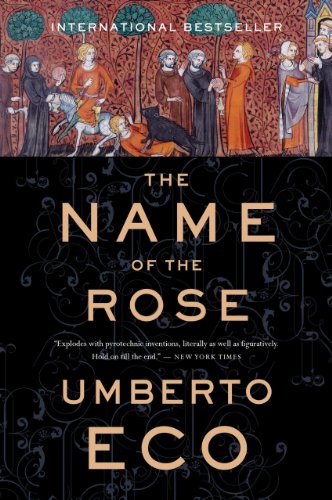
The Name of the Rose

The Name of the Rose, Italian Il nome della rosa, novel by Italian writer Umberto Eco, published in Italian in 1980. Although the work stands on its own as a murder mystery.

The Name of the Rose, Italian Il nome della rosa, novel by Italian writer Umberto Eco, published in Italian in 1980. Although the work stands on its own as a murder mystery, it is more accurately seen as a questioning of the meaning of “truth” from theological, philosophical, scholarly, and historical perspectives.
With a narrative apparatus as complex as it is beautiful, Eco’s work gives the reader both a clear defense of semiotics and an intricate detective story. Both facets are framed by an unfinished story, the narrative of a scholar who finds an interesting tale within a number of manuscripts. Perhaps because the space this framing story is given is so slight compared with the density of what is to follow or perhaps because of the tone of the scholar, these first few pages remain with the reader as the text goes back to the source of the manuscripts in the early 14th century.
In 1327 a young Benedictine novice, Adso of Melk, and a learned Franciscan, William of Baskerville, visit a Benedictine monastery in northern Italy for a theological debate. The abbot, Abo of Fossanova, asks William to look into the recent death of the illuminator Adelmo of Otranto, who fell from the octagonal Aedificium, which houses the abbey’s labyrinthine library; William is barred from entering the library itself, however. That evening William debates with the monks about the theological uses of laughter; an elderly blind monk, Jorge of Burgos, condemns laughter as disruptive.

The next morning another monk, the translator Venantius of Salvamec, is found dead in a vat of pig’s blood. William learns about a secret entrance to the library, and a monk tells him that Adelmo had a sexual relationship with Berengar, the assistant librarian, and likely committed suicide out of shame. William and Adso enter the library and get thoroughly lost before finding their way back out.

On the third day, Abo tells William and Adso that Berengar has disappeared. William deciphers a clue left by Venantius about a book that was stolen from him, and they also learn from the herbalist Severinus that ink stains were found on Venantius’s fingers and tongue. The next morning Berengar’s body is found in a bath.

The expected Franciscan legation and representatives of the pope arrive for the debate, and among them is the inquisitor Bernard Gui, who arrests two monks, Salvatore and the cellarer Remigio, for heresy; both had been members of an Apostolic sect. Bernard Gui frightens Remigio into confessing not only to heresy but also, falsely, to the murders.

Severinus is then found murdered in his apartment, and a mysterious manuscript that he had told William that he found is missing. On the morning of the sixth day, the librarian Malachi collapses and dies during morning prayers; ink stains are observed on his fingers. William believes that there is a connection between the murders and the Book of Revelation. He also thinks that those who know about the mysterious manuscript are being killed. However, Abo wants William to stop his investigations. Read More...
 

Previous Post

10 of the best novels set in Italy – that will take you there

Next Post

I'm Not Scared

Comments