Croatia Airlines Preparing for New Fleet

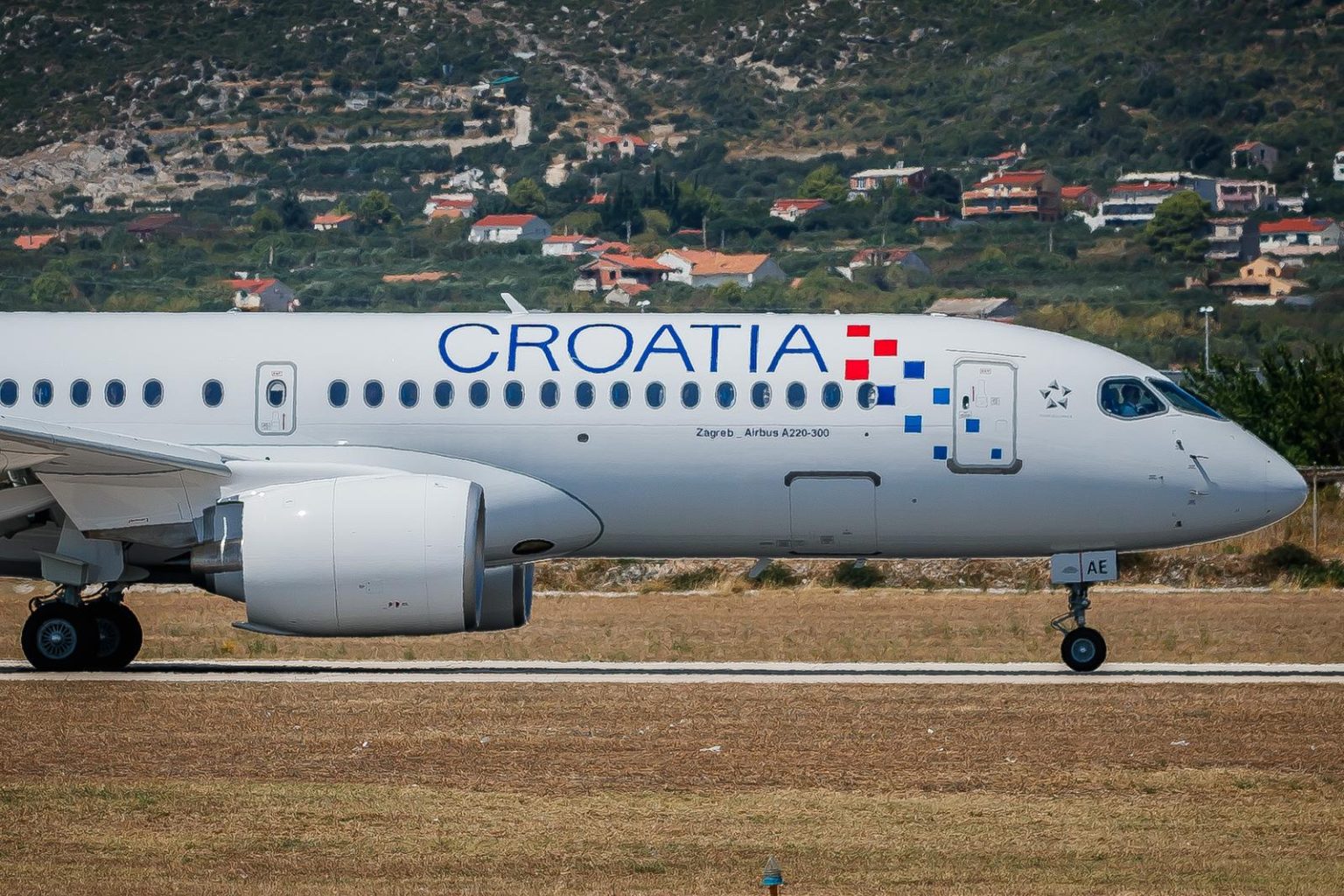
Croatia Airlines is gearing up for a transition as it prepares to accept the delivery of its third brand new Airbus A220-300 aircraft. This move is part of the airline's strategy to establish a single-type fleet, which aims to streamline operations and improve efficiency.
However, the ongoing transition to an all-Airbus A220 fleet is expected to significantly increase the company's costs. As a result, Croatia Airlines anticipates posting a net loss of several million euros for the year 2024. The competitive landscape, particularly with low-cost carriers like Ryanair offering numerous affordable flights from Zagreb to various European destinations, adds further pressure on the domestic carrier.
Jasmin Bajić, CEO of Croatia Airlines, addressed these challenges in a statement to IATA’s “Airlines” magazine. He noted, “Costs are rising on the whole. Croatia Airlines is also going through a transition phase which is increasing our cost exposure.” Bajić highlighted that pilots require two months of training to operate the new aircraft, and the airline faces constant oversight and the need to acquire new systems and equipment.
Despite the current challenges, Bajić remains optimistic about the long-term benefits of the new fleet. He stated, “This new fleet will bring us a 25% reduction in fuel and lower maintenance costs.” The airline hopes that improvements in its product offerings and a renewed focus on customer service will help boost revenues. However, he acknowledged that balancing cost reductions with revenue increases is an ongoing challenge.
Additionally, Bajić pointed out that EU regulations regarding the use of sustainable aviation fuel (SAF) will also impact the airline's costs. He expressed concerns about the EU’s 2% mandate for SAF and its availability, particularly for smaller airlines like Croatia Airlines. “If larger airlines and airports are worried about that, imagine the problems now being faced by a small airline and a small airport?” he remarked, emphasizing the difficulties in sourcing SAF and the associated costs.
As Croatia Airlines prepares to take delivery of its third Airbus A220-300 aircraft by the end of this quarter, the airline is navigating a complex landscape of rising costs and competitive pressures. While the transition to a new fleet presents challenges, the potential for reduced operational costs and improved customer service may pave the way for a more sustainable future. The airline's ability to adapt to regulatory changes and market dynamics will be crucial in determining its success in the coming years.