Croatia Bans Three Montenegrin Officials Amid WWII Death Camp Diplomatic Row
-
 Loading...
 - Arnold Kaiser
- 26 Jul 2024
- 56 Views
- 0 Like
- 0 Comment
Croatia has declared three high-ranking Montenegrin officials persona non grata, accusing them of misusing Croatia for internal political purposes and damaging bilateral relations. This diplomatic move follows Montenegro's parliamentary resolution regarding the Jasenovac concentration camp from World War II.
Officials Affected
The officials declared unwelcome in Croatia are:
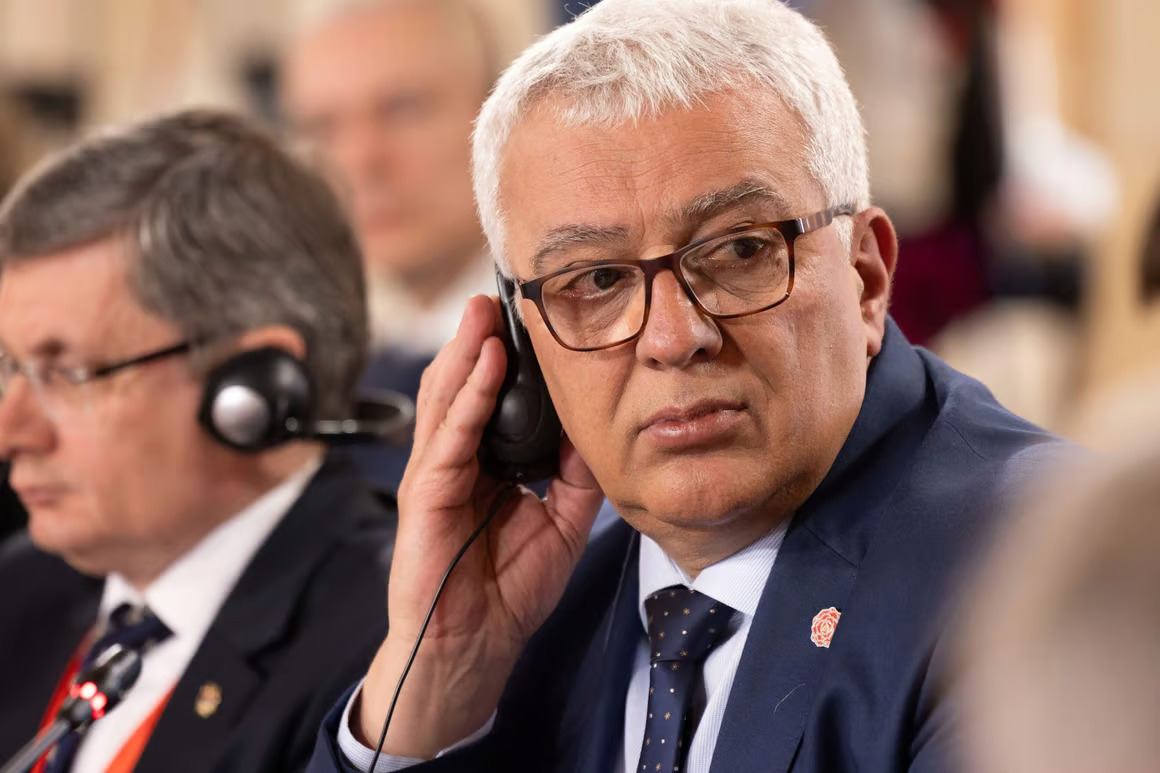
Andrija Mandic: President of Montenegro's parliament and leader of a pro-Serbian party.
Aleksa Becic: Deputy Prime Minister.
Milan Knezevic: MP from the Democratic People’s Party.
Context of the Resolution
Jasenovac Concentration Camp was operated by the pro-Nazi Ustasha regime during WWII, where most victims were Serbs, Jews, and Roma.
The Montenegrin parliament adopted a resolution describing the Jasenovac camp as genocidal, despite warnings from Croatia.
This move was seen as a counter to the UN Resolution acknowledging the 1995 Srebrenica massacre in Bosnia, committed by Bosnian Serb forces, as genocide.
Croatia's Response
Croatia delivered a protest note to Montenegro in May, urging against the resolution.
On Thursday, Croatia’s Foreign Ministry notified Montenegro’s embassy of the decision, citing actions that disrupt good neighborly relations and abuse Croatia for internal political purposes.
Croatia warned that Montenegro’s actions could slow down its EU integration process, emphasizing that good neighborly relations are crucial for EU accession.
The ministry emphasized that Croatia supports Montenegro's EU ambitions but expects adherence to European values and the spirit of cooperation.
Croatia highlighted that Montenegro ignored continuous calls to avoid actions that would harm bilateral relations.
The declaration came shortly after the reconstruction of the Montenegrin government, which saw the entry of pro-Serbian parties led by Mandic and Knezevic.
As of the time of publication, Mandic and Knezevic had not responded to Croatia’s decision.
The diplomatic rift underscores the sensitivity surrounding historical narratives in the Balkans and the impact of such issues on contemporary political and international relations. Croatia's decision signals its firm stance on protecting historical memory and maintaining good neighborly relations, crucial for regional stability and European integration processes.