Croatia Entering Eurozone in Turbulent Times, What are the Positives?
-
 Loading...
 - Sara Juric
- 26 Oct 2022
- 67 Views
- 0 Like
- 0 Comment
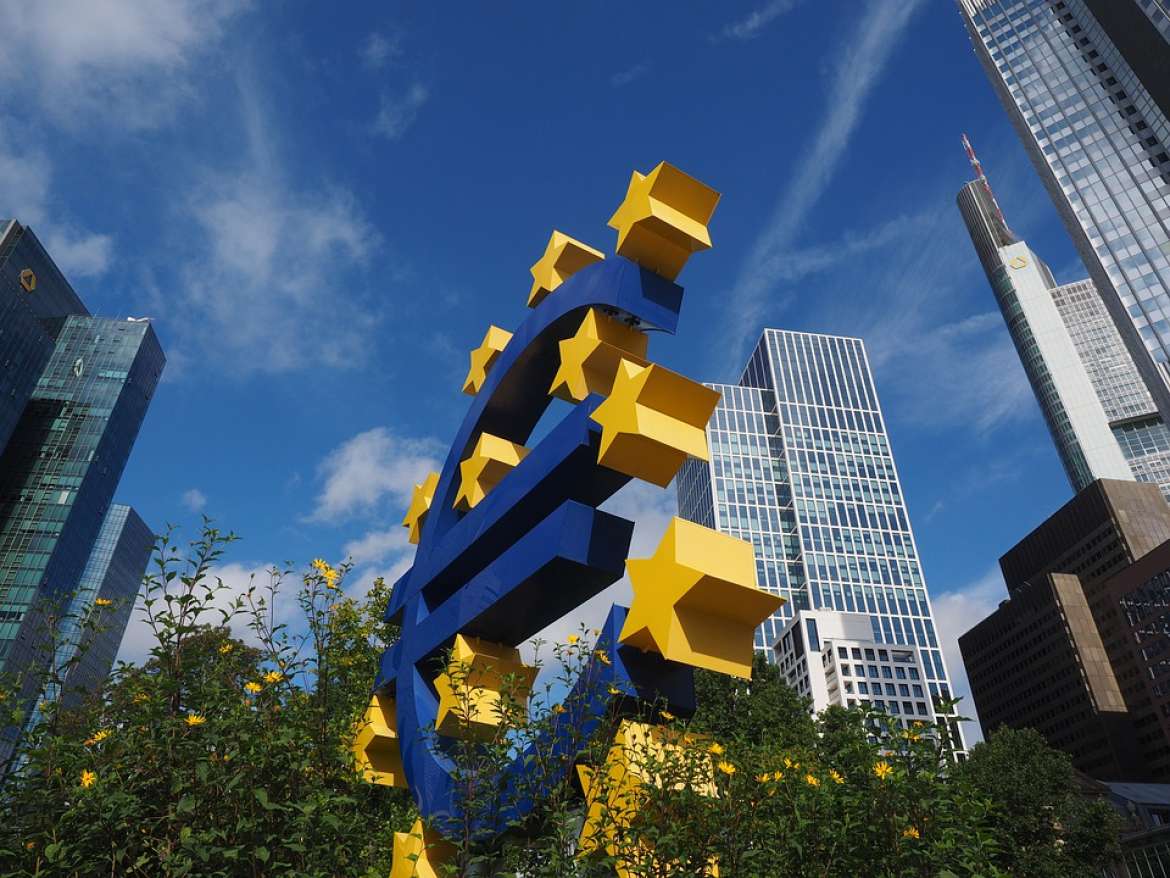
Croatia is entering the Eurozone during particularly difficult and turbulent times, following a global pandemic, and now during the Russia-Ukraine war which has resulted in spiralling inflation and an energy crisis, but what are the positives?
As Poslovni Dnevnik writes, all Croatian kuna that people have at home will have to be exchanged for euros unless they want to keep hold of it for historical, nostalgic purposes (and I'm sure we'll all be keeping a coin or two). It's interesting to note that some of that money will be flowing into the purchase of real estate. Croatia's accession to the Eurozone, according to the Croatian National Bank (CNB), only partially caused huge growth in the property business.
''This boom in the market has been happening for the last few years, we've all been witnessing it, it isn't something that is exclusively related to Croatia joining the Eurozone, it's something that I'd primarily associate with the fact that we have lived for too many years in the zone of zero interest rates,'' said vice-governor Michael Foulend of the Croatian National Bank for HRT.
The double display of prices in both kuna and euros in stores should prevent additional price increases due to the rounding up of prices when Croatia does adopt the euro officially, but inflation is complicating everything.
''Having learned from the experience of other Eurozone countries, we don't expect that there will be more pressure due to the introduction of the euro here. Read More...