Czech scientists turn chicken feathers into liquid fertilizer
-
 Loading...
 - Julia Gibson
- 23 Aug 2024
- 50 Views
- 0 Like
- 0 Comment
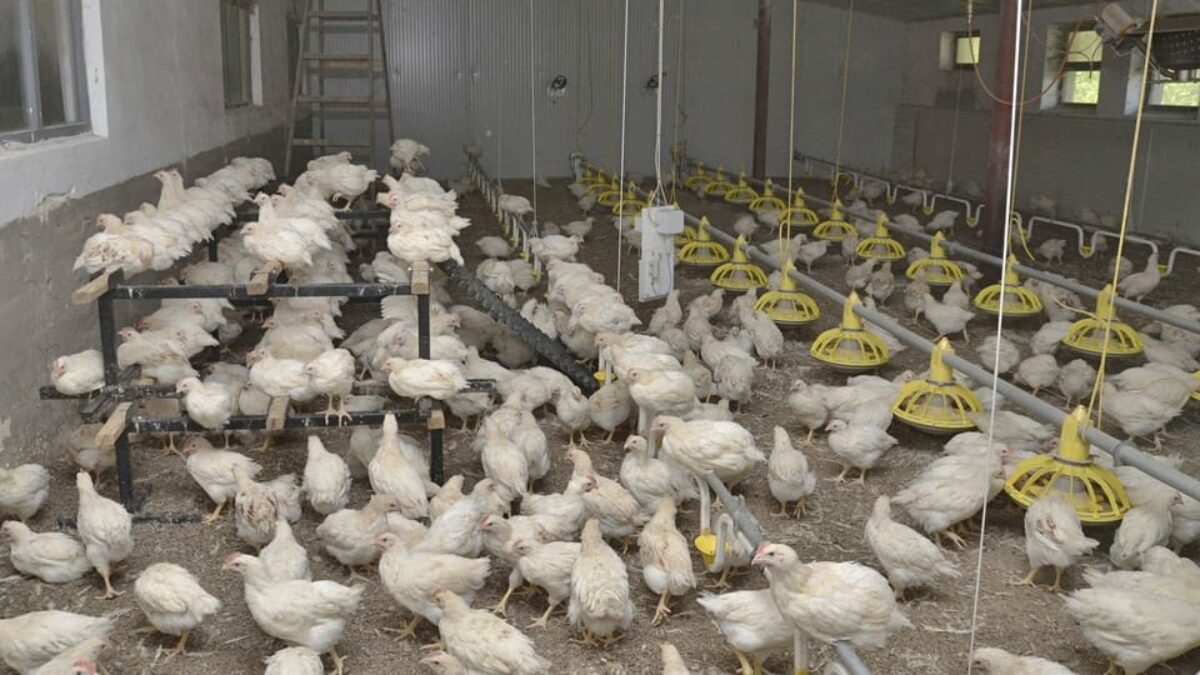
Czech scientists have developed an innovative method to repurpose chicken feathers, a significant by-product of the poultry industry, by turning them into liquid fertilizer. Annually, the Czech chicken industry produces around 100 million kilograms of feathers, which typically end up in incinerators or landfills, contributing to CO2 emissions or taking years to decompose. This new approach not only addresses the environmental impact of feather waste but also provides a valuable agricultural resource.
The feathers, primarily composed of the protein keratin, are processed through hydrolysis—a method that breaks down the protein into free amino acids and peptides, which are beneficial for plant growth. The process involves placing the feathers in a large pressure cooker-like appliance with water and malic acid, which triggers the hydrolysis. After about five hours of cooking at high pressure and temperatures between 130 to 135 degrees Celsius, the feathers are transformed into a yellow-brown liquid fertilizer.
This liquid fertilizer has shown promising results in tests, including on fast-growing poplar species and chili pepper plants. The treated plants demonstrated faster growth, better rooting, and increased fruit production compared to untreated plants.
In addition to its use as a fertilizer, the substance has potential applications in environmental remediation, such as removing heavy metals like arsenic from soil. The innovation has been patented, and the fertilizer is expected to be available on the market soon, with production being handled by a Czech company. This breakthrough represents the world's first successful transformation of chicken feathers into a liquid fertilizer, offering a sustainable solution to both waste management and agricultural needs.