Dandruff: What Are the Causes and Treatment Methods?
-
 Loading...
 - Zahra Botros
- 29 Mar 2023
- 69 Views
- 0 Like
- 0 Comment
Dandruff is a common skin condition that affects about 5% of the population. Many once believed it was related to poor hygiene, which is incorrect. Though it is an annoying and embarrassing problem, it is not dangerous or life-threatening. Unfortunately, it can be a life-long issue, requiring daily treatment for some.
What is dandruff?
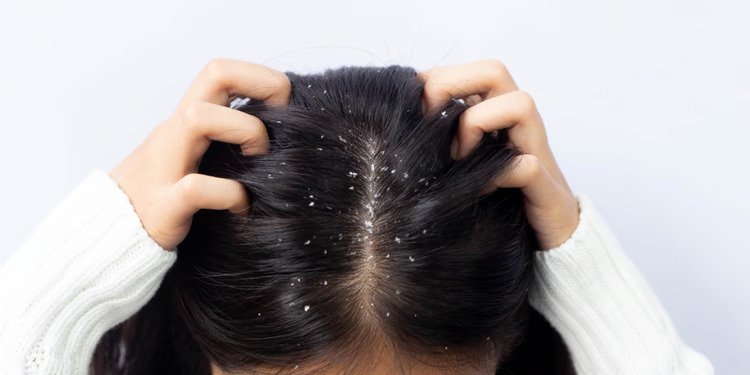
Dandruff, also referred to as seborrheic dermatitis of the scalp, is a skin condition that can come and go throughout one's lifetime. It presents with white-yellow oily flakes on the scalp that can fluff off or stick to your hair, creating crusty areas on your scalp. Your scalp may also become red and inflamed, causing an itching or burning sensation.
Causes of dandruff
While the exact cause is unknown, some factors have been discovered that contribute to causing dandruff. For example, an overgrowth of the yeast Malassezia has been found colonizing the scalps of dandruff patients. This yeast gorges itself off the oils produced on the scalp. People who genetically overproduce oils are prone to developing dandruff.
Other causes include sensitive skin, stress, and the weather. Often, products can irritate the scalp, especially those with sensitive skin, and lead to dandruff. Patients with sensitivity already have impaired skin barrier function, making them prone to dandruff conditions. Without a functioning barrier, their skin gets easily irritated, infected, and dehydrated. Stress has been linked to flares in many skin conditions, such as dandruff. It lowers the immune system, probably allowing for the overgrowth of yeast. Finally, cold, dry weather can irritate the scalp, likely leading to excess oil production and a subsequent overgrowth of yeast. Read More…