Danish Scientists Create ‘Smart’ Insulin with ‘On-Off’ Switch to Target Blood Sugar Highs and Lows
-
 Loading...
 - Ethan Ford
- 22 Oct 2024
- 50 Views
- 0 Like
- 0 Comment
Scientists at Novo Nordisk, a leading Danish pharmaceutical company, have synthesized a novel insulin molecule designed to respond dynamically to blood glucose levels. This innovative approach, termed "smart" insulin, aims to revolutionize diabetes management by providing a more precise and responsive treatment option for individuals with all types of diabetes.

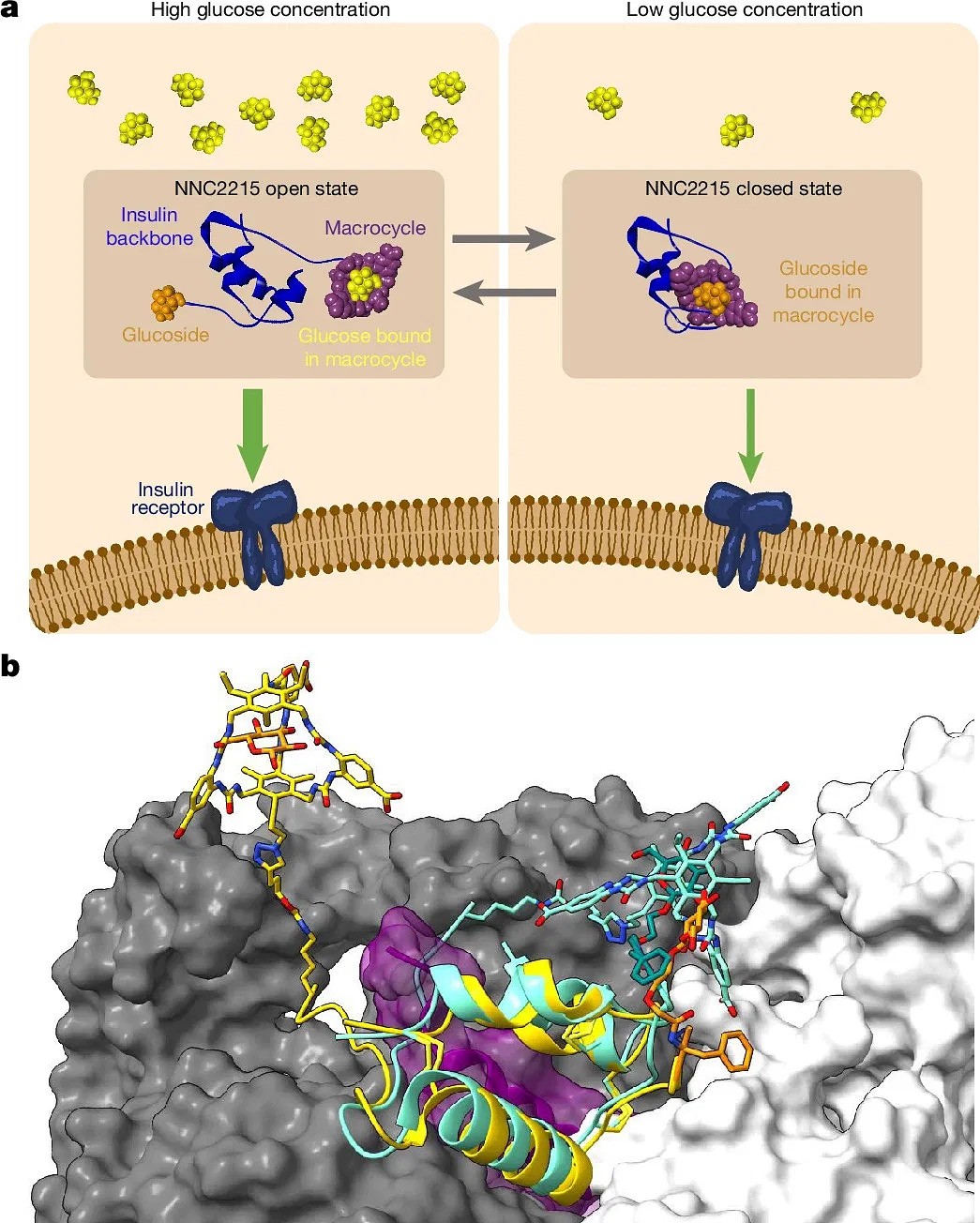
The newly developed insulin molecule, known as NNC2215, features an "on-and-off switch" that activates in response to fluctuations in blood sugar levels. Unlike previous attempts at creating smart insulin, which often targeted various sugars, NNC2215 specifically focuses on glucose, the primary sugar involved in diabetes management.
Initial tests conducted in pigs and rats have shown that NNC2215 performs comparably to natural insulin in humans, although further refinement is necessary before it can be used clinically. The promising results indicate that this smart insulin could effectively address the challenges of blood sugar fluctuations and the complexities of insulin dosage adjustments.
Diabetes is characterized by the body's inability to produce sufficient insulin (Type 1) or the development of insulin resistance (Type 2). One of the significant risks associated with insulin therapy is hypoglycemia, a condition caused by excessively low blood sugar levels due to over-administration of insulin. This can lead to severe health complications, making the development of glucose-sensitive insulin a critical area of research.
Historically, efforts to create such a molecule have faced challenges due to the unpredictable nature of blood glucose levels, which can be influenced by various factors, including meal timing, physical activity, and overall health. As a result, patients often have to manually adjust their insulin doses, typically opting for slightly lower doses to mitigate the risk of hypoglycemia.
The NNC2215 molecule consists of two primary components: a macrocycle, which is a ring-shaped structure, and a modified glucose molecule known as glucoside. The mechanism works as follows:
- Low Glucose Levels: When blood glucose levels are low, the glucoside binds to the macrocycle, keeping the insulin molecule in an inactive state.
- High Glucose Levels: As glucose levels rise, the glucose molecules in the blood displace the glucoside, altering the shape of the insulin molecule and activating the "switch." This triggers the release of insulin, allowing for a more responsive treatment.
Currently, a limitation of this technology is that it requires significant fluctuations in glucose levels to activate the insulin release. The research team is actively working to refine the molecule so that it can respond to smaller increases in glucose, enhancing its practicality for everyday use.
As of 2021, over 10% of the global adult population is affected by diabetes, with approximately 537 million individuals living with the condition. Traditional diabetes management typically involves insulin injections for Type 1 diabetes and various medications for Type 2 diabetes, alongside lifestyle modifications. However, the unpredictability of future glucose levels after insulin administration poses ongoing challenges, increasing the risk of hypoglycemia.
The development of smart insulin like NNC2215 represents a significant advancement in diabetes care, potentially allowing for more precise and automated insulin delivery based on real-time blood sugar levels. This could lead to improved quality of life for individuals with diabetes, reducing the burden of constant monitoring and manual dose adjustments.
The synthesis of NNC2215 by Novo Nordisk scientists marks a promising step forward in the quest for more effective diabetes treatments. As research continues, the hope is that this smart insulin will not only enhance blood sugar control but also minimize the risks associated with traditional insulin therapies. With ongoing advancements in diabetes management, the future looks brighter for the millions living with this chronic condition.