Data Science Facts: Debunking These 7 Data Science Myths & Why You Need to Know Them
-
 Loading...
 - Carolina Mora
- 27 Jul 2022
- 102 Views
- 0 Like
- 0 Comment
It’s easier now than ever before for ideas to spread around the world, including through fact-based communities like the one inhabited by data scientists. However, that doesn’t necessarily mean that every data science “fact” we hear is actually truthful.
In fact, some commonly known “facts” are little more than hearsay, misinterpretations, or, at worst, outright myths.
To counteract these kinds of data science myths, we’ll debunk seven of the most common ones with real data science facts. We’ll also show you why it’s important to know the truth behind each myth we cover.
With that out of the way, let’s get started with our list of data science facts.
Myth: the most important thing for data scientists is coding
There’s plenty to be said for coding – languages like Python, R, and C++ are well-known and popular for a good reason. Plenty of people who know at least one language will go on to learn more, with some being far more popular than others:
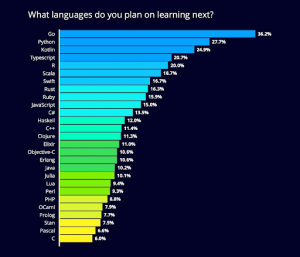
It’s also true that data scientists work with coding languages in their daily workflows, making it useful to be skilled at things like secure software coding. But that doesn’t mean that coding is the be-all and end-all of data science.
The truth
The end goal of being a data scientist is not to be fluent in as many coding languages as possible. In fact, if you’re at the point where you’re investing all your time in mastering all the coding languages you have time to learn about, you’re probably not investing your time optimally.
Instead, you’ve got to remember that coding is a means to an end for data scientists.
Why it matters
In a competitive world like that of data science, most people will want to find ways to stand out from the crowd – but if they do this by focusing on learning more languages, they’re missing chances to work on becoming better data scientists.
That’s not to say that programming languages don’t matter. They absolutely do. It’s just important to remember that there’s much more to being a skilled, well-rounded data scientist than having the most impressive repertoire of languages.
Myth: data scientists and developers are more or less the same
This myth is especially common among people who aren’t too familiar with, or knowledgeable about, the world of coding, programming, and data. They might assume that the same people who create programs and develop apps are those who then go on to analyze those same things.
The truth
In actuality, they’re two very different professions and separate specializations. This goes a long way to explain why developers of various kinds are kept completely separate from data scientists in terms of roles companies look to fill:

Data scientists are the ones who interpret and analyze data. They take the information that exists about something specific – a project, an app, or a company’s goal, for example – and then analyze it to generate actionable insights.
That’s not the same thing at all as developing apps, code, or even ideas.
Why it matters
This myth (and the truth behind it) is, like the first one on this list, all about where people should direct their focus.
It’s development teams that should be able to answer questions like “What is MapReduce?” (and “How do you use it?”). Data scientists, on the other hand, need to know how they can leverage tools (like MapReduce) to derive actionable insights from a data set.
In short, this myth matters because once you know the truth behind it, you’ll have a keener understanding of the roles and responsibilities associated with data science.
Myth: there’s a limited demand for data scientists
While the term “data science” is immediately appealing to many who know how much a skilled data scientist can do for them, that knowledge is unfortunately not universal.
In other words, plenty of people might think there’s only so much room for data scientists in today’s job market. They may be tempted to think of data science as a field that can be useful rather than as an essential cornerstone of the way their business runs. In fact, some people even think of data science as being “just hype.”
This couldn’t be further from the truth, and here’s why.
The truth
There’s both a demand and a need for data scientists – and both are only on the rise:

As the tools available for data science continues to grow and develop, the need for skilled scientists who know how to handle them will only increase. That’s doubly true when companies keep developing new, more complex tools for the purpose of improved data science.
Far from being “just hype,” data science is actually a vital subject that can drastically change a company’s approach to meeting its goals. Data scientists know how to turn a nebulous goal like “I want to increase the number of sales we make each year” into a set of data-based fact-backed insights that create the foundations of a solid strategy. Read More...