Death Toll in Mozambique from Cyclone Chido Rises to 45
-
 Loading...
 - Abigail Badu
- 19 Dec 2024
- 42 Views
- 0 Like
- 0 Comment
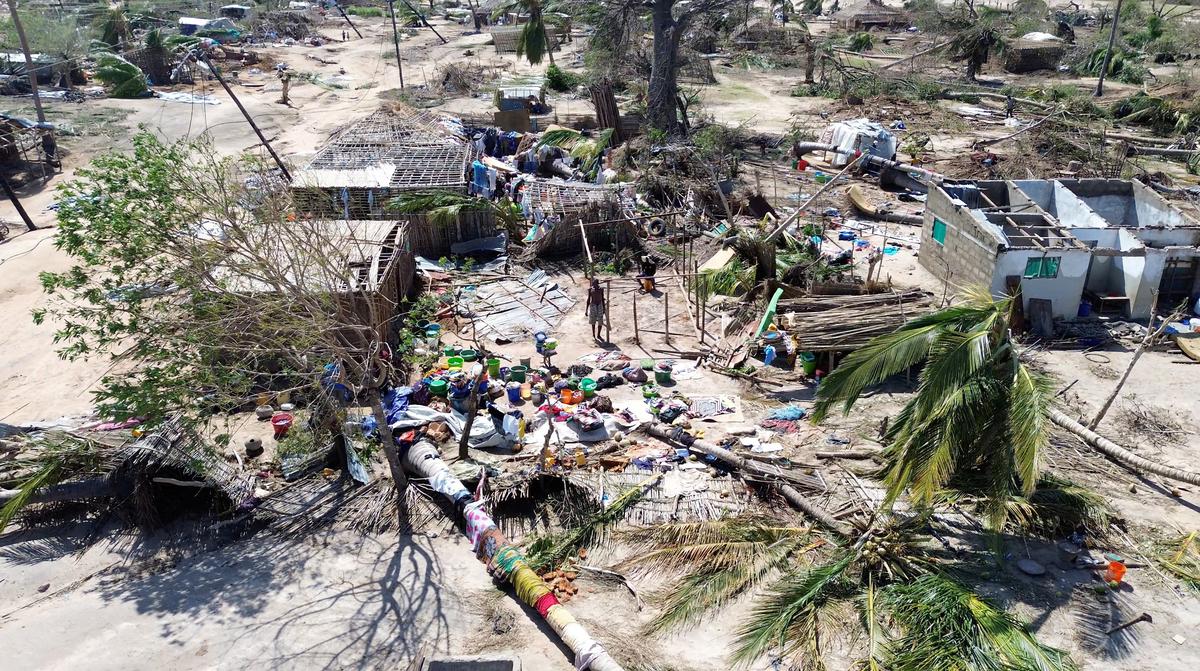
The death toll in Mozambique from Cyclone Chido has tragically risen to 45, as reported by officials on Wednesday. Luisa Meque, chairperson of the National Disaster Risk Management Institute (INGD), indicated that the storm has also left 500 people injured and has destroyed approximately 35,000 homes across the northern provinces of Niassa, Nampula, and Cabo Delgado, which have experienced significant devastation.
“Much as the storm has calmed down, there is a likelihood that the number of fatalities is going to rise, as we are still assessing the extent of the damage,” Meque stated. The cyclone has affected around 2.5 million people in the region, highlighting the widespread impact of this natural disaster.
According to Louise Eagleton, UNICEF Country Representative in Mozambique, around 90,000 children have been identified as the “worst affected” by the cyclone. “Almost in all the affected communities, there are growing numbers of affected children. These are children who are struggling to find sustenance and shelter. Children are bearing the brunt of the cyclone. The current situation in the country is heart-rending,” Eagleton remarked, emphasizing the dire circumstances faced by vulnerable populations.
In response to the crisis, the UN Office for the Coordination of Humanitarian Affairs (OCHA) has disbursed $4 million for emergency relief efforts aimed at addressing the immediate needs of those affected by the cyclone. This funding is crucial for providing food, shelter, and medical assistance to the impacted communities.
The effects of Cyclone Chido have also been felt in neighboring Malawi, where the country’s Department of Disaster Management Affairs (DoDMA) reports a death toll of 13. Approximately 45,000 people in five districts of the southern region have been rendered homeless due to the cyclone's impact.
On December 15, Tropical Cyclone Chido made landfall in Mozambique, bringing with it strong winds, thunderstorms, and heavy rainfall exceeding 250 millimeters (9.84 inches) within a 24-hour period. After affecting Mozambique, the cyclone moved on to Malawi, continuing to pose challenges for the region.
The aftermath of Cyclone Chido underscores the vulnerability of communities in Mozambique and Malawi to extreme weather events, exacerbated by climate change. As recovery efforts continue, the focus remains on providing immediate assistance to those affected, particularly children, who are facing the most severe consequences of this disaster. Ongoing assessments will be critical in determining the full extent of the damage and the necessary steps for recovery and rebuilding.