Decoding India's 'One Nation, One Election' Plan
-
 Loading...
 - Nadeem Jain
- 18 Dec 2024
- 114 Views
- 0 Like
- 0 Comment
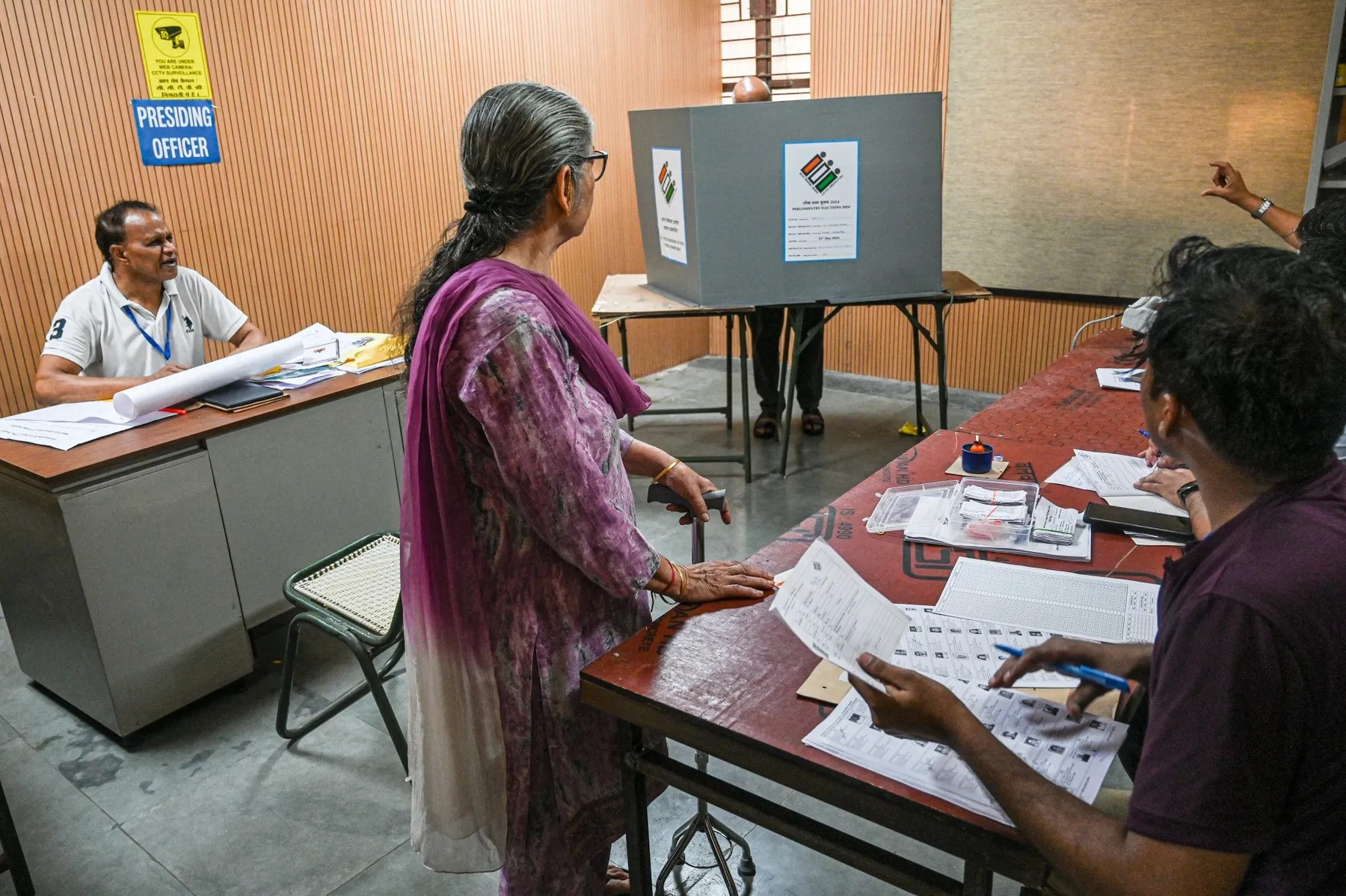
India, the world's largest democracy, is perpetually in election mode, with its complex political landscape comprising 28 states, eight union territories, and nearly a billion eligible voters. The Bharatiya Janata Party (BJP), led by Prime Minister Narendra Modi, has long advocated for the "One Nation, One Election" initiative, which aims to synchronize state and federal elections every five years. Recently, the Indian law minister introduced a bill in parliament to implement this system, igniting a debate over its implications for power dynamics in the country.
What is 'One Nation, One Election'?
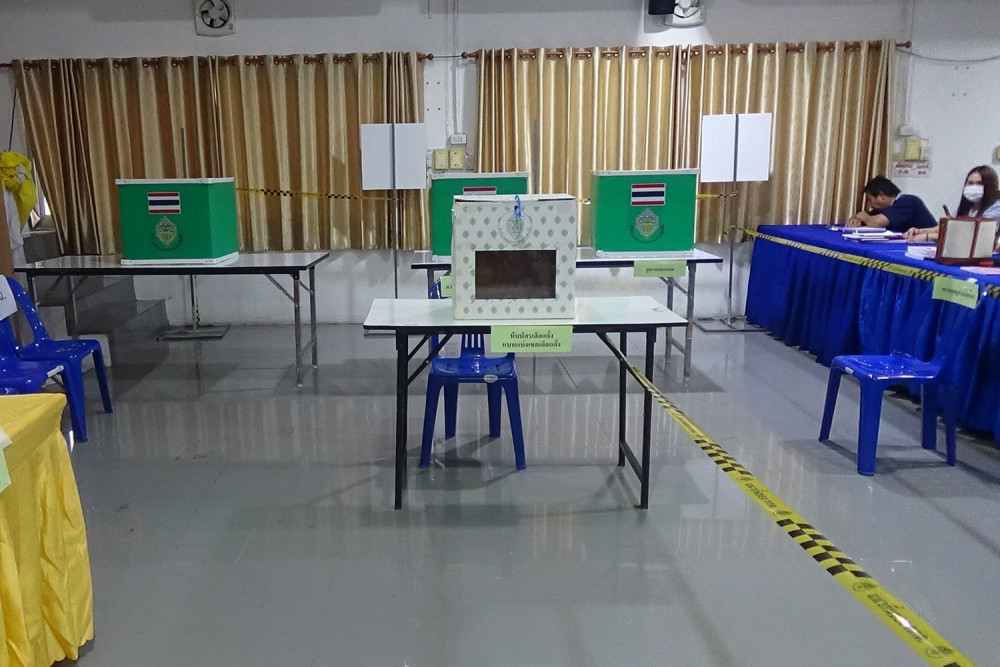
The concept of "One Nation, One Election" seeks to align the various election cycles in India. Currently, general elections for the parliament, state elections for local legislatures, and separate elections for rural and urban councils occur at different times, often leading to a fragmented electoral process. The proposal aims to hold these elections simultaneously, thereby streamlining the electoral process.
In March, a committee led by former President Ram Nath Kovind recommended this approach in an extensive report, suggesting that local body elections should also be conducted within 100 days. The committee proposed that if a government loses an election, fresh polls would be held, but its tenure would last only until the next synchronized election.
Historically, simultaneous elections were the norm in India from the first election in 1951 until 1967, when political instability led to staggered polls. The idea has been revisited multiple times over the decades, with proposals from various commissions and think tanks.
The Case for Simultaneous Elections
Proponents of the "One Nation, One Election" plan argue that it could significantly reduce election costs and administrative burdens. According to the Centre for Media Studies, India spent over 600 billion rupees (approximately $7.07 billion) on the 2019 general elections, making it the most expensive election globally at that time. Supporters believe that synchronizing elections could lead to substantial savings in campaign costs and resources.
Former President Kovind described the initiative as a "game changer," citing potential GDP growth of up to 1.5% as a result of more efficient governance. The BJP has also argued that frequent elections disrupt governance, with Prime Minister Modi stating that the model code of conduct has cost the nation "800 days of governance" over the past five years.
Criticism and Concerns
Despite the potential benefits, critics warn that the proposal could undermine India's federal structure by concentrating power at the center and diminishing the autonomy of state governments. Opposition parties, led by the Congress, have labeled the plan "undemocratic," arguing that it would favor national parties over regional ones and disrupt the parliamentary system.
Concerns have also been raised about the logistical challenges of implementing simultaneous elections. Ensuring adequate electronic voting machines, security personnel, and election officials for a synchronized election involving 900 million voters would require extensive planning and resources. Former Chief Election Commissioner SY Quraishi has pointed out that the costs associated with the proposal, including the need for new voting machines, were not adequately addressed in the Kovind committee report.
Key Challenges in Implementation
Implementing the "One Nation, One Election" plan would necessitate formal changes to specific provisions of the Indian Constitution, which would require ratification by at least half of the 28 state assemblies. While the BJP-led alliance holds a simple majority in parliament, it lacks the two-thirds majority needed for constitutional amendments.
The cabinet has approved the proposal and backed two bills aimed at facilitating simultaneous elections. One bill proposes a constitutional amendment, while the other seeks to align assembly polls in Delhi, Puducherry, and Jammu & Kashmir with the general election schedule. The government has expressed willingness to refer the bills to a parliamentary committee and consult political parties to build consensus.
Support and Opposition
The Kovind committee reached out to various political parties for feedback, with 47 responding—32 in favor and 15 against the proposal. Most supporters were BJP allies or friendly parties, emphasizing the time, cost, and resource savings that could result from synchronized elections.
Opposition parties have countered that enhancing transparency in election funding would be a more effective solution to address concerns about election costs, rather than implementing simultaneous elections.
The "One Nation, One Election" proposal has sparked a significant debate in India, highlighting the complexities of balancing efficiency in governance with the need to preserve the federal structure and democratic principles. As discussions continue in parliament and among political parties, the future of this initiative remains uncertain, with both supporters and critics presenting compelling arguments for their respective positions.