Post-Election Reflections: Electoral Competition and the Future of Ghana’s Democracy
-
 Loading...
 - Fred Owusu
- 18 Dec 2024
- 90 Views
- 0 Like
- 0 Comment
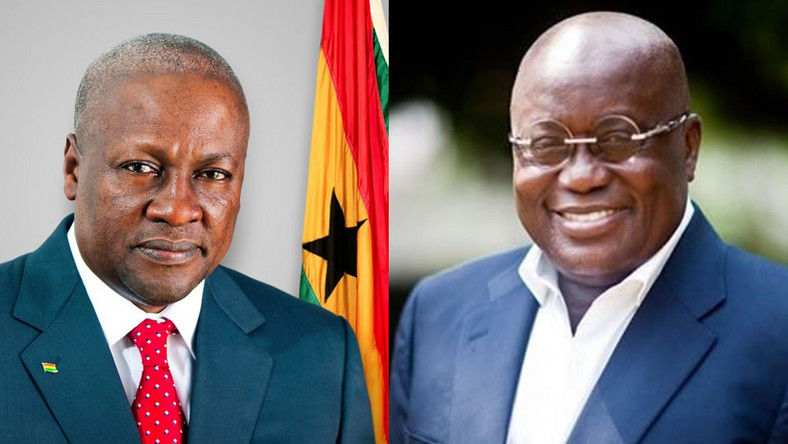
On December 7, Ghana held its presidential and parliamentary elections, marking a significant moment in the country’s democratic journey. Conventional wisdom suggested that the economic challenges faced under the New Patriotic Party (NPP) government, coupled with poor assessments of government performance in key policy areas, would favor the National Democratic Congress (NDC) candidate, John Dramani Mahama. The results, however, revealed a decisive victory for the NDC, surpassing the expectations of many political observers.
This election marks the ninth successful democratic exercise in Ghana since the return to multiparty governance thirty-one years ago. It presents an opportunity to reflect on our electoral processes and systems, and to draw lessons that can enhance the integrity and effectiveness of our democracy. Here are three key observations regarding the future of Ghana’s electoral landscape.
Rebuilding Trust in the Electoral Commission
A critical first step is the need to rebuild trust in the Electoral Commission (EC). Recent surveys, including those conducted by Afrobarometer and the National Commission for Civic Education (NCCE), indicate troubling levels of public confidence in the EC and the electoral system as a whole. This lack of trust often leads political parties to resort to extrajudicial measures during elections, reflecting deep-seated suspicions about the EC’s motives and capabilities.
Despite the transparency mechanisms in place—from voter registration to results declaration—there remains a pervasive belief that the EC has the power to manipulate election outcomes against the will of the electorate. While the EC is not without fault, as it has made administrative errors that exacerbate public distrust, the ninth election underscores the urgent need for the EC to take proactive steps to restore confidence. The next four years present a crucial window for the EC to engage with stakeholders and the public to rebuild this trust before the next election cycle.
Protecting the Ballot: A Shared Responsibility
The burden of ensuring a free and fair election should not disproportionately fall on political parties. The current environment compels parties, particularly the opposition, to engage in extensive electoral policing activities, driven by a heightened sense of vigilance. This was evident in the actions of both the NPP in 2016 and the NDC in 2024, where parties felt compelled to establish command centers and mobilize supporters to monitor the electoral process.
The responsibility for protecting the ballot and ensuring electoral integrity lies primarily with the Electoral Commission. Future elections must foster an environment where political parties do not feel the need to engage in extrajudicial activities to safeguard the electoral process. By clarifying roles and responsibilities, the EC can alleviate the self-imposed burdens on political parties and enhance the overall integrity of the electoral system.
Enhancing Post-Election Security
Security preparations for elections often focus heavily on pre-election and election-day activities, with insufficient attention given to the immediate post-election period. Historically, Ghana has witnessed violent reactions from party supporters following election results, raising concerns about the adequacy of security measures in place to protect public property and maintain order.
It is essential to expand security protocols to cover the days immediately following the announcement of election results. A robust law enforcement response is critical to deter potential violence and ensure public safety. The disparity in law enforcement responses—swift action during protests versus a lack of immediate action following electoral violence—must be addressed to maintain public trust in the security apparatus.
Ghanaians have largely embraced democracy, as evidenced by the most recent Afrobarometer survey, which found that 73% of respondents support democratic governance and 82% favor choosing leaders through regular, open, and honest elections. Even among those who express ambivalence about democracy, a significant majority still prefer elections as the method for selecting leaders.
Addressing the emerging electoral challenges is vital for consolidating Ghana’s democratic gains and ensuring that the electoral system functions effectively. By focusing on rebuilding trust in the Electoral Commission, clarifying the responsibilities of political parties, and enhancing post-election security, Ghana can strengthen its democracy and pave the way for a more transparent and accountable electoral process in the years to come.