Mozambique’s Post-Election Violence to Hit Economic Growth
-
 Loading...
 - Effia Essel
- 19 Dec 2024
- 114 Views
- 0 Like
- 0 Comment
Mozambique's economic growth forecast for 2024 is expected to be revised downward from an earlier estimate of 4.3 percent due to escalating post-election civil unrest, according to a senior official from the International Monetary Fund (IMF). The situation has been exacerbated by the impact of Cyclone Chido, which has further strained the country's economic outlook.
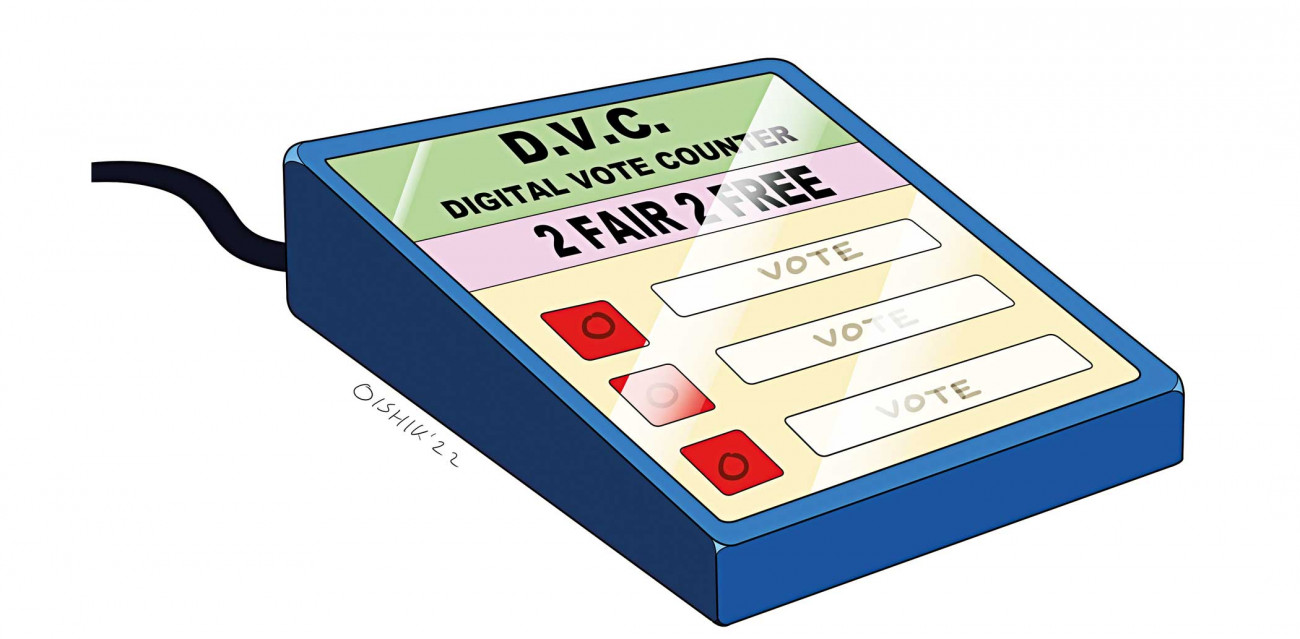
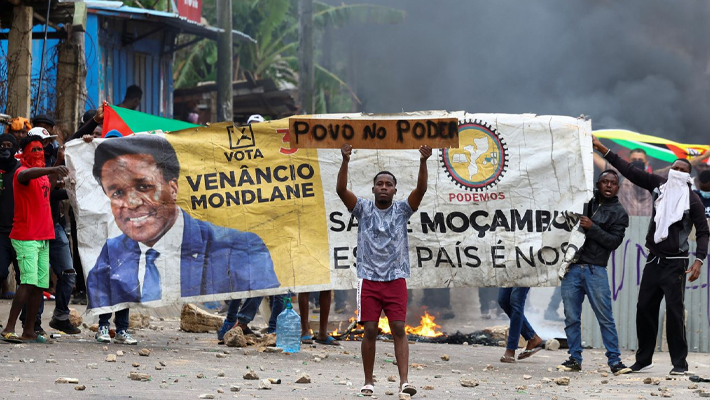
In October 2024, Daniel Chapo, the candidate from the ruling party Frelimo, was declared the winner of the presidential election. However, opposition parties have alleged that the election was marred by significant voting irregularities. The disputed results have led to widespread protests from opposition supporters, resulting in increased violence and unrest across the country.
This civil unrest has disrupted business operations, particularly affecting the mining sector, and has occasionally led to the closure of critical trade corridors. The Constitutional Council of Mozambique is set to rule on the validity of the election count on December 23, a decision that civil society organizations and analysts fear could trigger further violence and economic disruption if Frelimo's victory is upheld.
Olamide Harrison, the IMF’s resident representative in Mozambique, noted that the country's growth rate had already declined from 4.5 percent in the second quarter to 3.7 percent in the third quarter, prior to the onset of protests. He indicated that the combination of civil unrest and natural disasters, such as Cyclone Chido, is expected to lead to a further slowdown in economic activity in the fourth quarter, with a modest rebound anticipated in 2025.
Harrison expressed deep regret over the loss of lives during the protests, describing the situation as "difficult" and emphasizing that the IMF is closely monitoring developments. Cyclone Chido, which recently made landfall in northern Mozambique, has resulted in at least 34 fatalities and has dampened growth prospects even further.
The IMF is currently in discussions regarding a three-year credit facility program with Mozambican authorities, but these negotiations will resume only after a political transition is completed. Harrison stated, "We wait until the new government is in place, and then we resume negotiations," highlighting the typical process followed during political transitions in the context of ongoing IMF lending arrangements.
As Mozambique navigates this challenging period marked by political instability and natural disasters, the outlook for economic growth remains uncertain. The potential for further unrest and its implications for business operations and trade will be critical factors to watch in the coming months.