Diplomatic tightrope for Modi as he visits Kyiv after Moscow
-
 Loading...
 - Mandy Kappel
- 23 Aug 2024
- 49 Views
- 0 Like
- 0 Comment
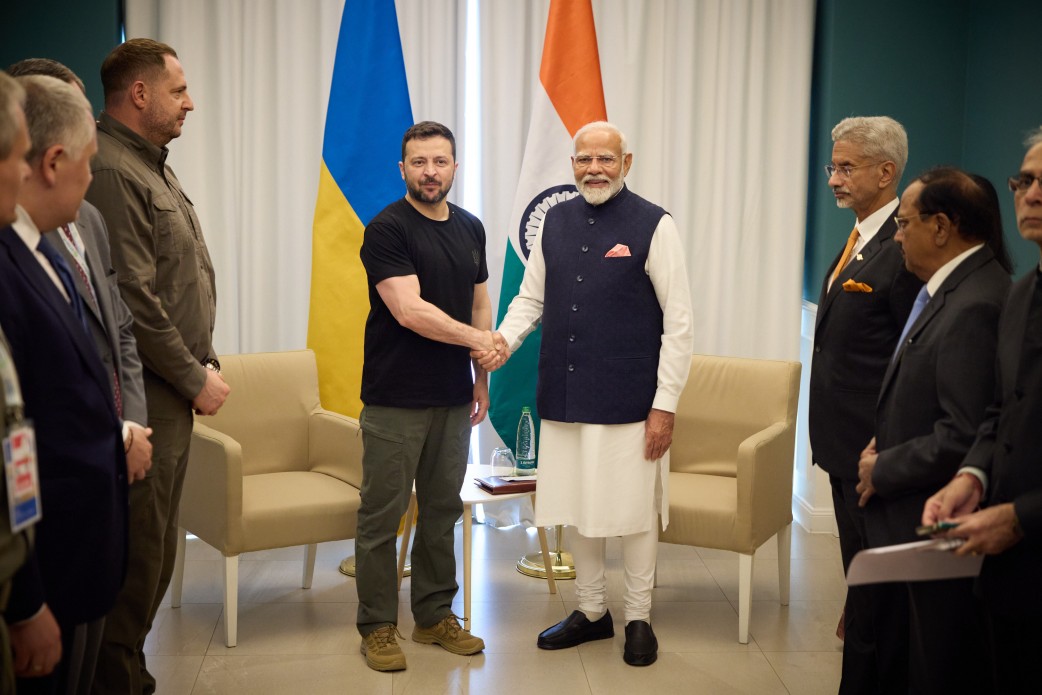
Prime Minister Narendra Modi's visit to Kyiv after his meeting with Russian President Vladimir Putin in Moscow highlights India's delicate balancing act in global geopolitics. While the visit may seem to placate Ukraine and its Western allies, it is more a reaffirmation of India's non-alignment policy, maintaining strong ties with both Russia and the West.
India's strategic autonomy has been a cornerstone of its foreign policy, allowing it to navigate complex relationships with competing powers. Modi's visit to Ukraine underscores India's commitment to engaging with all sides while advancing its own national interests. This move also reflects India's desire to deepen ties with Europe, particularly Central and Eastern European countries, recognizing their growing geopolitical importance.
India's position on the Russia-Ukraine conflict remains nuanced. While Delhi has refrained from directly criticizing Russia, it has consistently advocated for diplomacy and respect for territorial integrity. The West, while sometimes frustrated with India's stance, appreciates its role as a counterbalance to China and its potential to mediate, even though formal mediation may not be on the table.
Modi's broader goals include strengthening relations with Europe and pursuing trade and investment opportunities. His visit to Poland, the first by an Indian prime minister in 45 years, further signals India's intent to engage more deeply with Central European nations, which are increasingly influential in regional geopolitics.
Modi's visit to Kyiv is a calculated diplomatic move that aligns with India's long-standing foreign policy principles, while also positioning the country to play a more significant role in the evolving European and global landscape.