United Nations says military mobilization in Libya is a cause for concern
-
 Loading...
 - Tatsuki Kita
- 23 Aug 2024
- 54 Views
- 0 Like
- 0 Comment
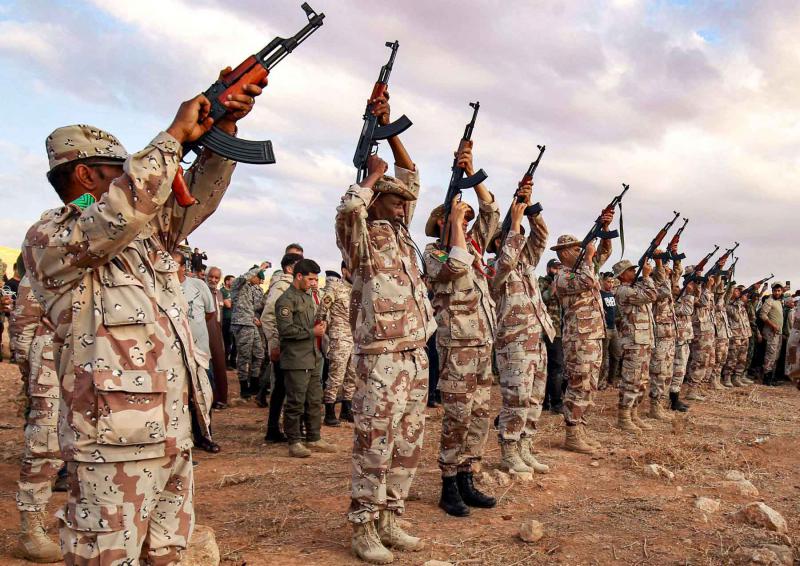
The United Nations has expressed concern over the rising tensions and armed mobilizations in Tripoli, Libya, linked to a power struggle over the control of the Central Bank of Libya (CBL).
The conflict centers around efforts by various political factions to remove the current CBL governor, Sadiq al-Kabir, with armed groups taking sides.
This development follows a broader pattern of instability in Libya, which has been mired in conflict since the 2011 NATO-backed uprising.
Despite a ceasefire in 2020, the country remains divided between eastern and western factions, with sporadic clashes as various groups vie for control of Libya's significant economic resources, particularly its oil wealth.
The UN has condemned the use of military force in populated areas, warning that it endangers civilian lives. The political situation remains precarious, with no resolution in sight as efforts to hold national elections and end the political deadlock have stalled.
The proposed new CBL governor, Mohammed al-Shokri, has indicated he would only accept the position if both of Libya's rival legislative bodies support his appointment, reflecting the deep divisions that continue to plague the country.