US and UN Call for Talks to Resolve Libyan Central Bank Crisis
-
 Loading...
 - Akila Salah
- 28 Aug 2024
- 51 Views
- 0 Like
- 0 Comment
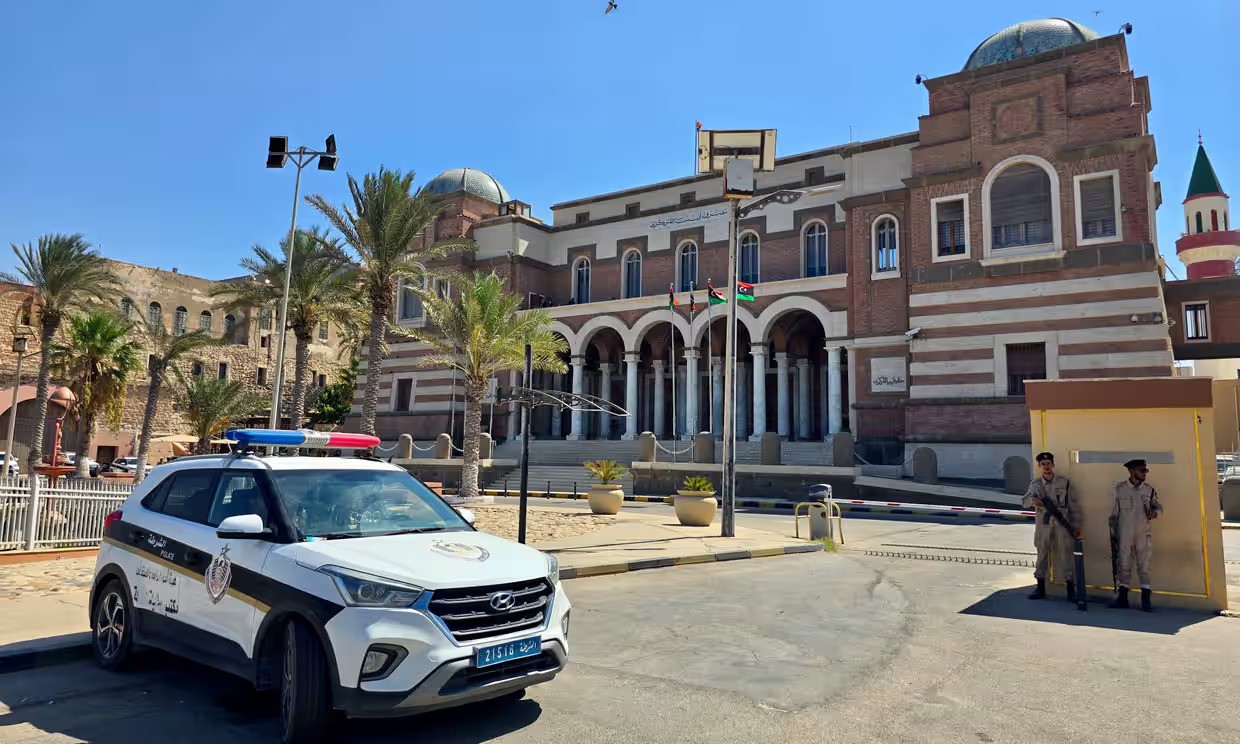
The United States and the United Nations are urging for diplomatic talks to resolve the escalating crisis over the control of Libya's central bank. The crisis has sparked concerns over the country's economic and financial stability, with reports of arbitrary arrests and intimidation of bank employees.
The US embassy in Libya has backed the UN's call for an emergency meeting of the groups involved, warning that the contest over the administration of the bank "undermines confidence in Libya's economic and financial stability" and increases the likelihood of harmful confrontation.
The crisis began when the UN-backed institutions in western Libya, led by Abdul Hamid Dbeibah, dismissed the bank's governor of 20 years, Sadiq al-Kabir, and installed a new leadership. Kabir has since started to attack Dbeibah's overspending and is now seen to favor the forces in eastern Libya.
The new interim deputy governor, Abdel Fattah Ghaffar, has promised to ease the current liquidity crisis and pay unpaid salaries within two days, but Kabir has refused to hand over the secret codes that would make payments possible.
The rival eastern administration has opposed Kabir's sacking and has threatened to suspend all oil production and exports until he is reappointed. The move has sparked concerns over the country's oil revenues, which constitute a significant portion of Libya's economy.
The Libyan Presidential Council has justified the dismissal of Kabir, saying it strengthens the rule of law and will lead to the appointment of a governor with integrity and competence. However, the move has been widely contested, and the US and European diplomats have expressed concerns over the unilateral nature of the decision.
The crisis has highlighted the need for renewal of Libya's political institutions, which have been plagued by fragmentation and division since the fall of Muammar Gaddafi in 2011. The country's descent into chaos has been marked by repeated shelving of nationwide elections, fearing that democracy may lead to a loss of privileged access to Libya's massive oil revenues.
The US and UN are urging for a peaceful resolution to the crisis, with the US embassy warning that "reports of arbitrary arrest and intimidation of central bank employees are particularly concerning – those responsible must be held strictly accountable."