Why Israel continues to attack religious sites and symbols in Gaza

Israel's ongoing attacks on religious sites and symbols in Gaza, including mosques and churches, are a deeply controversial and complex issue, rooted in the broader Israeli-Palestinian conflict. These actions have been condemned by Palestinian groups like Hamas and have sparked outrage in the Muslim world and beyond.
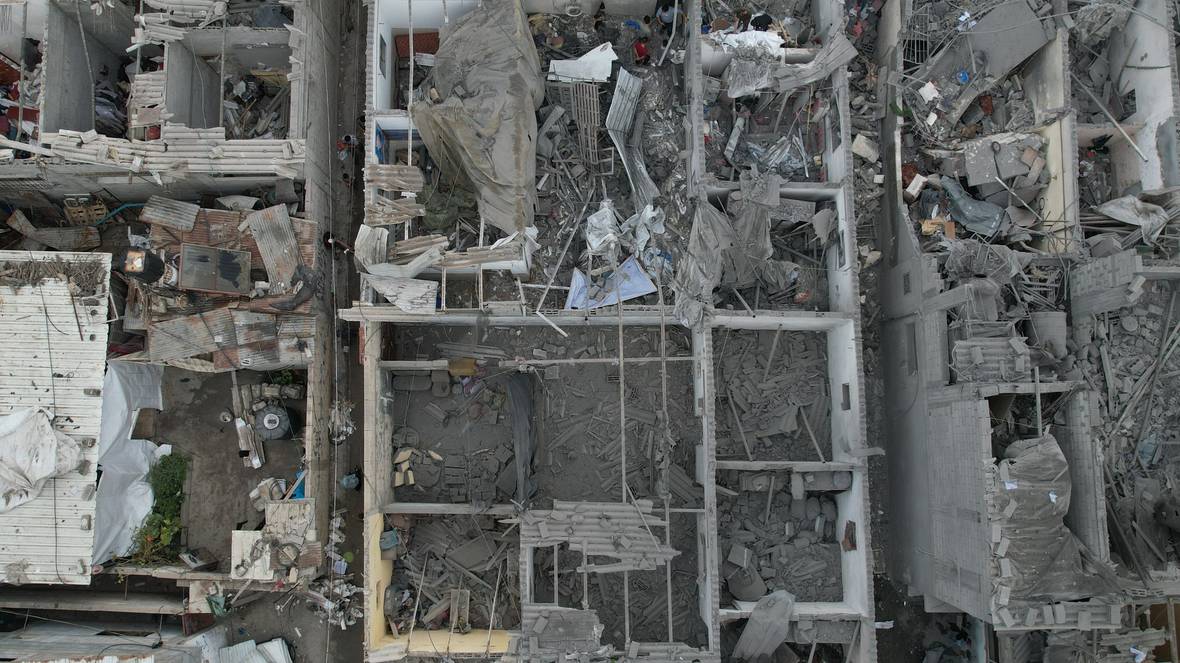
The destruction of religious sites, such as the Grand Mosque of Gaza and the Church of Saint Porphyrius, is seen by many as part of a broader strategy that includes both military objectives and psychological warfare. These sites hold significant historical and cultural value, not just for Palestinians but for the global community, and their targeting is often viewed as an attempt to undermine the cultural and religious identity of the Palestinian people.
Israel, on the other hand, often justifies its military actions as necessary for security and defense, especially in the context of ongoing conflict with Hamas and other groups in Gaza. The Israeli government has argued that such sites are sometimes used by militants for military purposes, which complicates the distinction between civilian and military targets.
The destruction of religious and cultural heritage is considered a war crime under international humanitarian law, and the international community has repeatedly expressed concern over these actions. Despite this, Israel has faced little accountability due to strong support from its allies, particularly in the West.
In summary, Israel's attacks on religious sites in Gaza are part of the larger and deeply entrenched conflict, involving both military strategy and the destruction of cultural heritage, which continues to exacerbate tensions in the region.