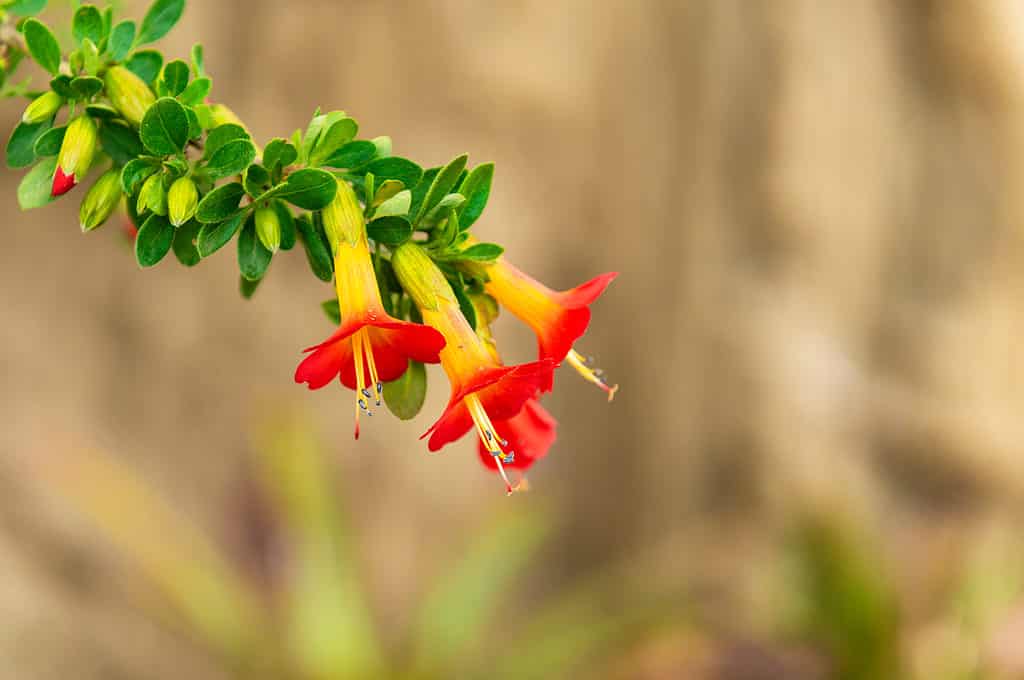
Discover The National Flower of Peru: Cantua Buxifolia
-
 Loading...
 - Murphy Trevor
- 15 Feb 2023
- 71 Views
- 0 Like
- 0 Comment
Peru is located in western South America, bordered by both Columbia and Ecuador in the north, Bolivia and Brazil to the east, Chile in the south, and the mighty Pacific Ocean along its western coast. The geography of Peru is varied. It is composed of coastal plains with desert dunes on the west side, high plateaus in its central region known as Altiplano (High Plains), and mountain ranges, including the Andes Mountains, that run from south to north along its entire length. The eastern part of Peru consists mainly of tropical rainforest regions such as Amazon Basin, which has a very hot climate all year round. As for precipitation levels, they vary throughout Peru depending on altitude. Generally speaking, most areas experience mild winters with occasional rainfall, while summers tend to be dryer.
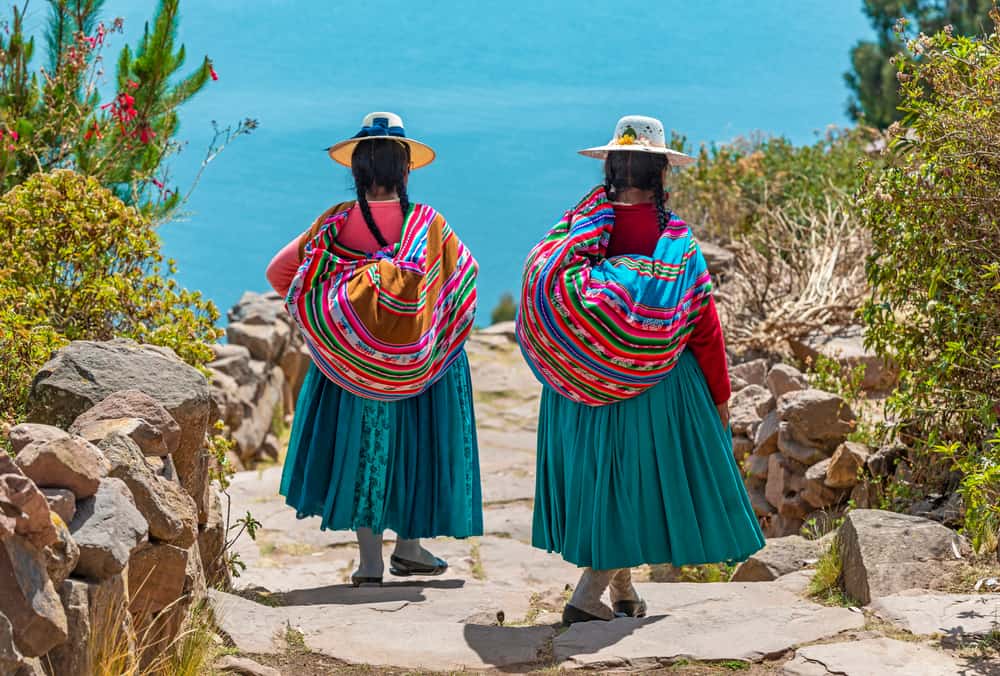
The people of Peru are incredibly diverse. Their culture that has been shaped by the contributions of many different ethnicities. The main groups represented in Peru include indigenous peoples, who make up roughly 45 percent of the population. Spanish is the national language of Peru. There are also an estimated 40 native languages spoken among its many indigenous communities.
Peruvian cuisine draws from a variety of sources, including Andean ingredients like potatoes, corn, and quinoa, as well as influence from other countries such as China. Music and dance have strong roots in Peruvian culture. Varying from traditional styles to modern Latin rhythms like salsa or cumbia. Religion plays an important part in everyday life for many Peruvians. Christianity is predominant, but there are also practitioners of both Incan religion and faiths born out of a mix between Christianity and ancient beliefs.