Documentary Short Review: Once Upon a Bridge in Vietnam (2023) by Francois Bibonne
-
 Loading...
 - Gamon Makok
- 01 May 2023
- 68 Views
- 0 Like
- 0 Comment
Aimed at all the Vietnamese diaspora, at all the classic music and travel enthusiasts.
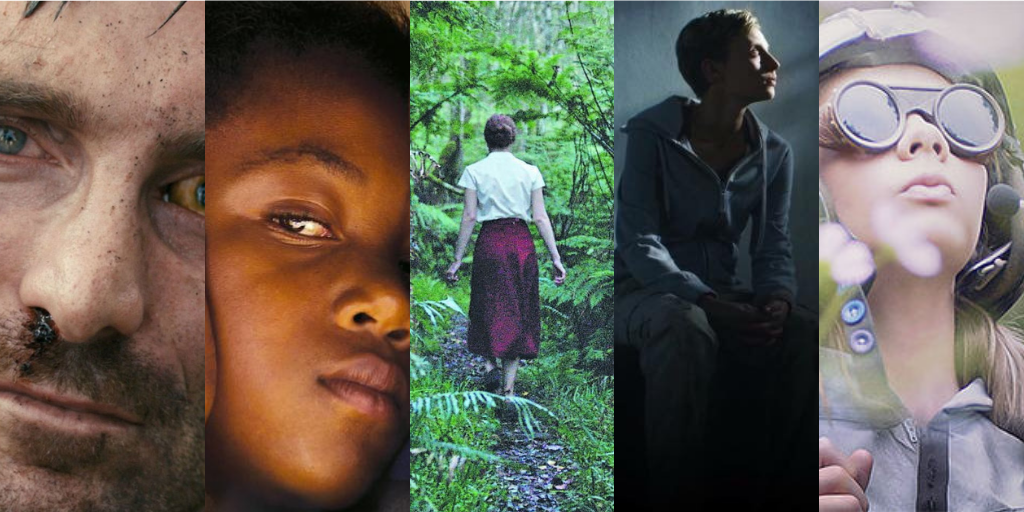
Discovering and presenting aspects of whole countries that are not particularly known outside their borders is one of the essential goals of the documentary as a medium. Francois Bibonne, a history graduate with a passion for classical music, decided to spend fifteen months in Vietnam, the country of his grandmother Thérèse Nguyen Thi Koan, in order to connect with his lineage through music. In the process, he came up with a documentary that reveals a little known fact of the county, that of the penetration of classical music in its culture, and its combination with its traditional sounds.
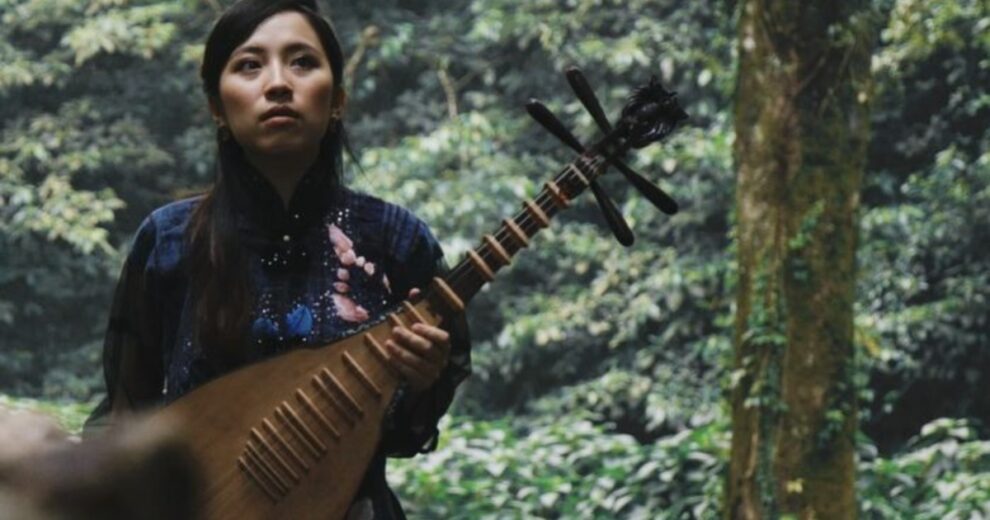
In order to present both aspects, Bibonne has come up with an approach that lingers between the travelog and the documentary, while combining a number of different elements in order to structure an intriguing narrative. In that regard, an interview he gave on a local channel regarding the documentary he shot is juxtaposed with photographs of him as a kid with his grandmother, while his search throughout the country has him interviewing various members of the national orchestra of Vietnam, a choir of blind singers inspired by French tunes, a workshop manufacturing wind instruments in a catholic province, while his trip even brings him to the forests close to the end of his film, in yet another aspect of the musical legacy and culture of the country. Moments of his traveling in the country, usually in black-and-white are also interspersed, while comments about his effort to learn the (rather difficult) language also appear, highlighting the fact that the whole endeavor is also an effort to communicate, both with the locals, but essentially with his legacy as a member of the diaspora.
On the other hand, sometimes the focus on Bibone himself does go a bit overboard, with the scenes with him riding a bike in the beginning of the movie, for example, being essentially unnecessary. Truth be told, the film works much better when the focus is on the music and the overall culture of Vietnam itself, than when Bibone turns the camera on himself. Thankfully, the former takes the majority of the duration of the movie, which is what makes the whole project a successful one. Read More…