Durian Sukegawa's ‘Sweet Bean Paste': On second chances and the plight of leprosy patients
-
 Loading...
 - Elise Bunschoten
- 04 Jul 2022
- 109 Views
- 0 Like
- 0 Comment
Sweet Bean Paste (Oneworld Publications) by Durian Sukegawa is a beautiful and poignant novel that remains embedded in a reader's heart. A tale of friendship and redemption in an unforgiving society, it is also a testament of what should never be repeated.
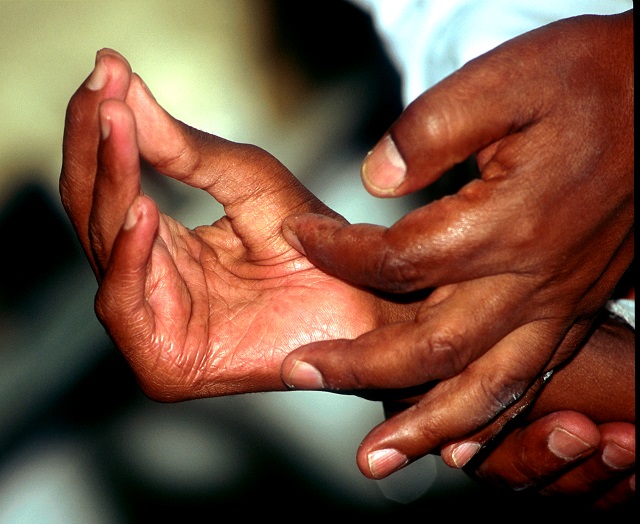
One morning, a man named Sentaro is approached by an elderly woman with crippled hands and her face paralysed. She is Tokue Yoshii, eager to work at the Doraharu shop. Sentaro is a man who has lost all hope and motivation in life. Previously incarcerated for drug possession, he has given up on his dream to be a writer. He makes and sells dorayaki, Japanese pancakes filled with sweet bean paste, at the shop to pay off his debt. He may have a past but no future, just as he has no present, for in his heart he has lost all hope for himself. His conviction has rendered him an outcast and in his society, outcasts are not given chances but discarded. Surprised by Tokue's offer, Sentaro refuses her politely but firmly. She is, after all, 76 years old and also has a visible disability. However, the gentle elderly returns and offers to work at one-third of the offered pay, and leaves a tub of delicious sweet bean paste that she made herself.
Sentaro becomes conflicted—Tokue's sweet bean paste is scrumptious, it reminds him of his deceased mother. He hires her and the unlikely pair eventually become friends. When Wakana, a 15-year-old girl whose mother works at the bar, becomes close to the duo, it is only in Tokue's patient and caring presence that she is able to open up about the painful circumstances in her home. Over time, Wakana learns to open up to Sentaro as well, when he changes from his taciturn self to a man who cares. Soon, however, we find out that Tokue's disabilities are a result of Hansen's disease, commonly known as leprosy.
Through Tokue's history, the forced separation of leprosy patients from their families and their confinement in sanatoria come into light. Many patients were destined to spend their whole lives in different prison-like sanatoria. Although Japan revoked the cruel Leprosy Prevention Act in 1996, families refused to take back their once leprous relatives who were by then fully cured and no longer deemed infectious. Read More...