El Greco: The Greek Painter Who Changed the Art World
-
 Loading...
 - Tadeo Carrillo
- 19 Apr 2023
- 71 Views
- 0 Like
- 0 Comment
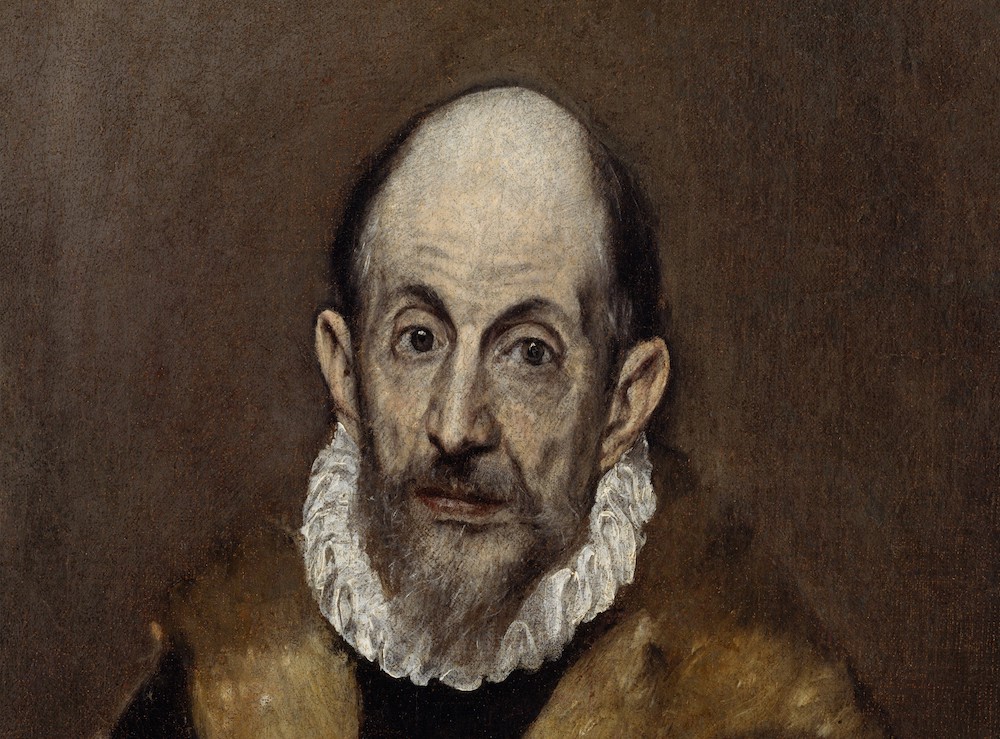
The Greek painter El Greco is one of the best known artists in the entire history of Western art, and his unique, romantic and awe-inspiring works have influenced a great number of painters over the past five centuries.
Even though his Byzantine-inspired style was very specific and personal, his work had an impact on Realist, Impressionist, Cubist, and Abstract painters.
Picasso, Van Gogh, Cezanne, and even Jackson Pollock sought inspiration from the masterpieces of the Greek painter, who was well-known in his time but fell intro relative obscurity until collectors and critics “rediscovered” him in the 18th century.
Due to his shockingly modern and forward-thinking style, the brilliant Greek painter is also known as the “Grandfather of Expressionism.”
El Greco began his career painting holy icons
El Greco (“The Greek”), as the Italians dubbed him, was born Domenikos Theotokopoulos on October 1, 1541 in Heraklion, Crete. However, the oil painter spent the most part of his life in Italy and in Spain, where he created his best-known works.
Theotokopoulos was trained first as a painter, or “writer,” of holy icons. His non-naturalistic style, so very different from the visually softer, Western European style, soon made him stand out from all others working at the time.
“I paint because the spirits whisper madly inside my head,” he was once quoted as saying. Theotokopoulos moved to Venice in 1567, a natural move as Crete was Venetian territory at the time.
Once there, the 26-year-old painter soon mastered the current style of Renaissance painting. His works were in fact narratives, the vast majority of his themes religious. In 1570 he moved to Rome, where he lived and worked until 1576. Read More…