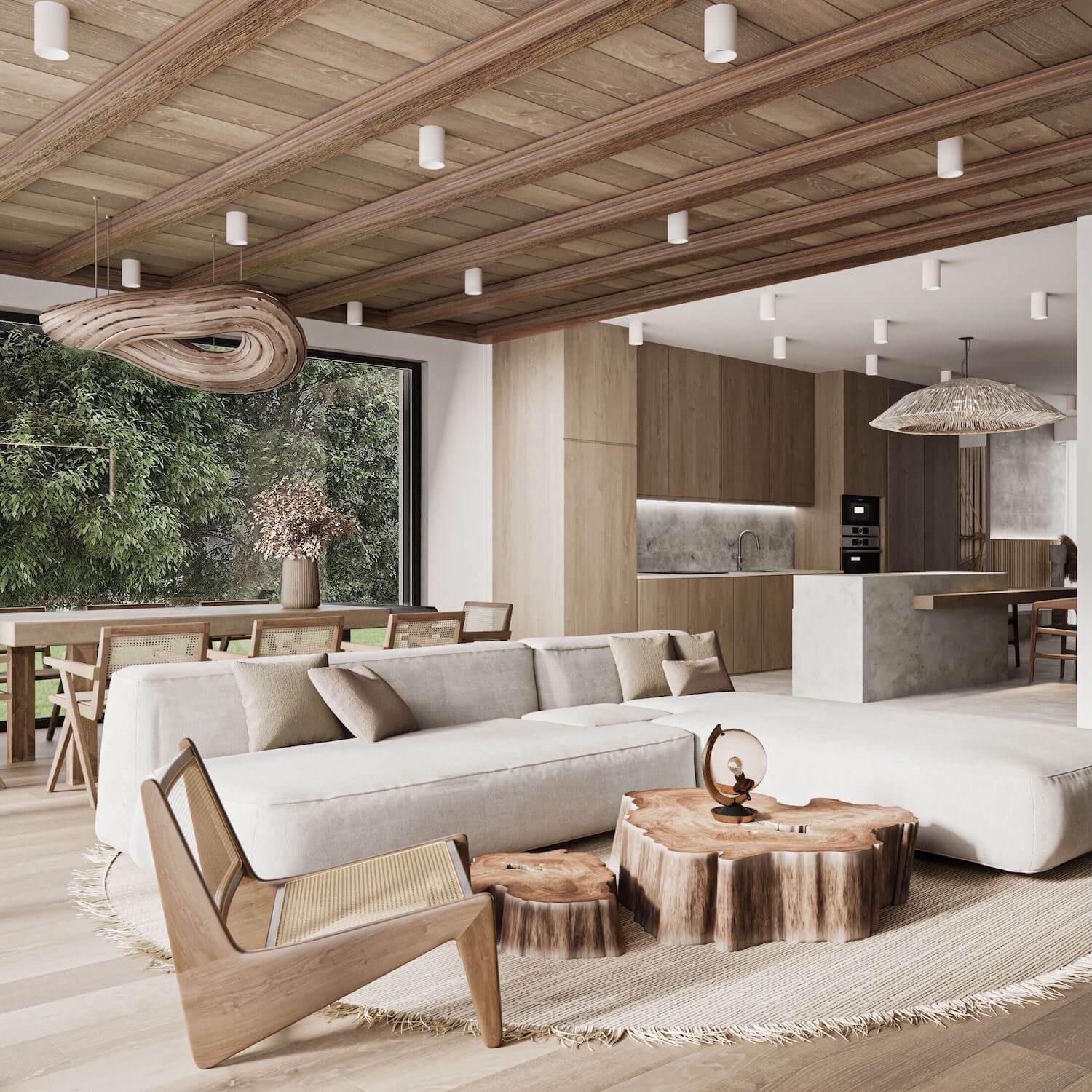
Elements of Rustic Home Design Style
-
 Loading...
 - Grace Elderman
- 03 Sep 2024
- 59 Views
- 0 Like
- 0 Comment
Rustic home design style is a unique and captivating approach to interior design that celebrates the beauty of nature. At its core, rustic design is about bringing the outdoors in, incorporating natural elements, and creating a warm and inviting atmosphere. In this article, we'll delve into the key elements of rustic home design style and explore how to incorporate them into your living space.
:max_bytes(150000):strip_icc()/what-is-rustic-design-4771798-hero-cc447aef6bc7462ab444564cce598ac9.jpg)
Natural Materials
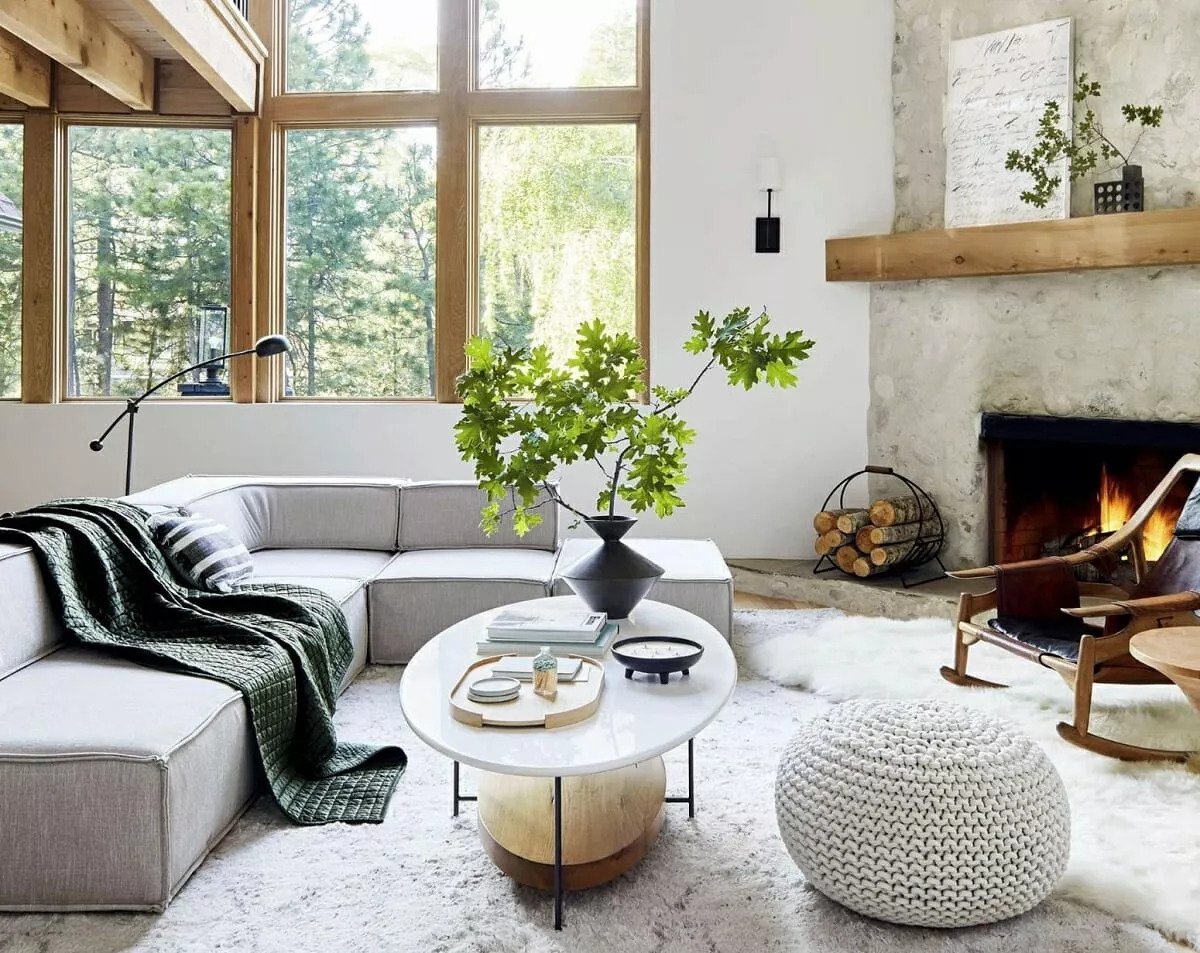
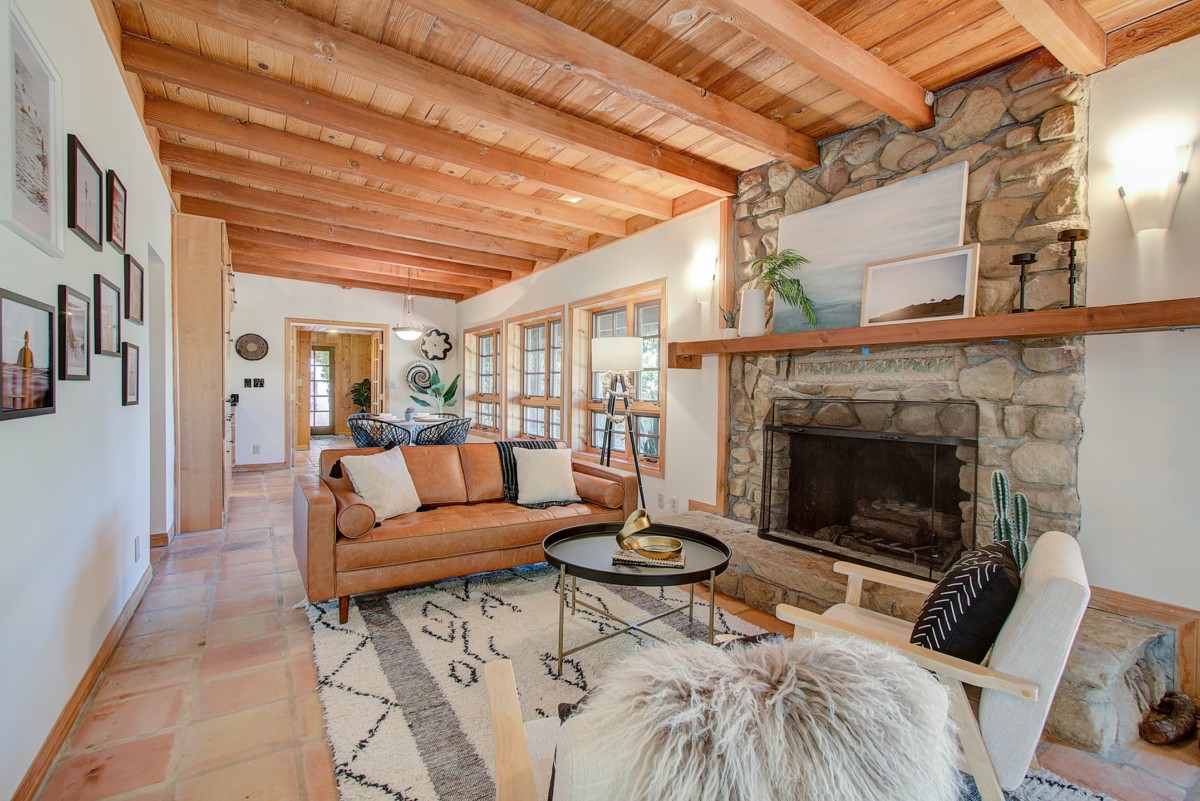
Natural materials are essential to achieving a rustic aesthetic. Wood, stone, and metal are commonly used in rustic design, often in their raw or distressed forms. Exposed beams, reclaimed wood floors, and stone fireplaces are all characteristic elements that add rustic charm to a space.
Textures and Patterns
Incorporating textures like burlap, linen, and wool can enhance a rustic interior's cozy and inviting atmosphere. Emphasizing the beauty of imperfections, like distressed finishes and weathered surfaces, is another hallmark of rustic design.
Rough-Hewn Beams
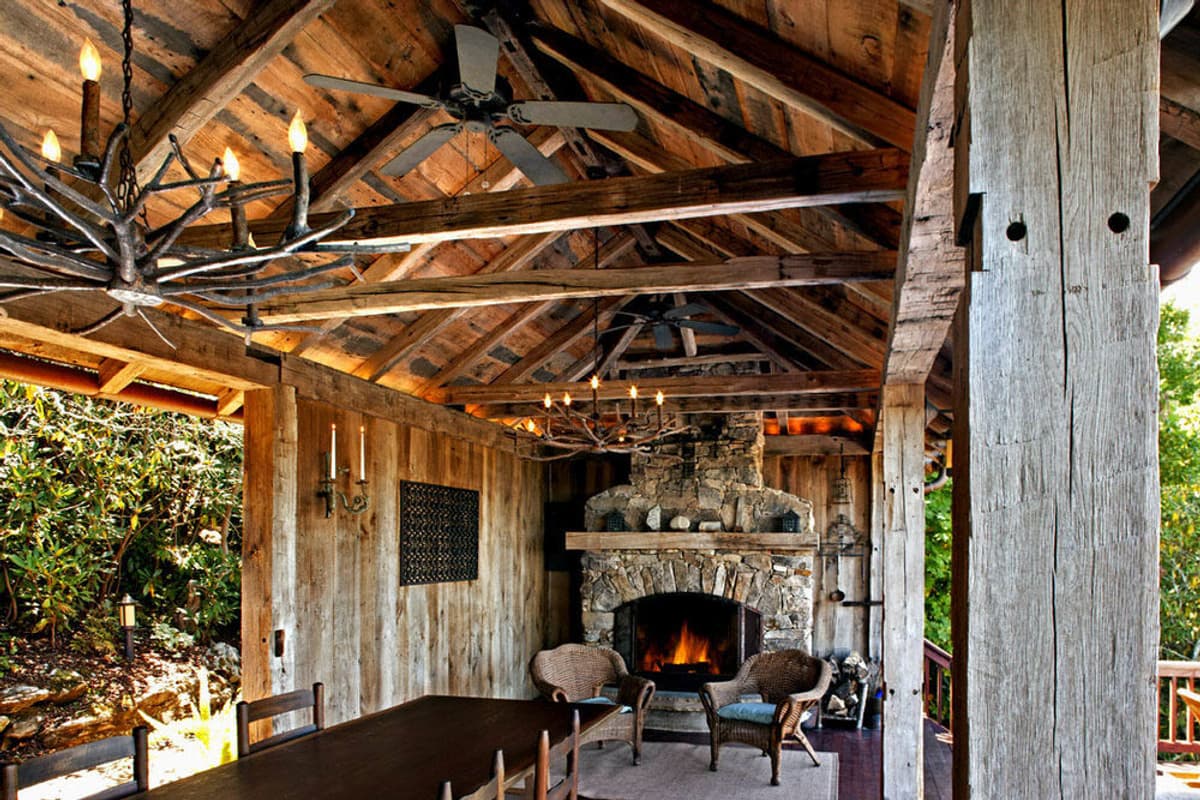
Rough-hewn beams instantly add rustic charm to a space. They work to help define a space architecturally as well as anchor a rustic design. To achieve this look, use wood beams to frame ceilings, delineate doorways, and surround fireplaces and windows. Round logs lend cabin charm.
Organic Forms
Using natural materials is one of the defining characteristics of a rustic home. "Rustic design, at its core, is the use of organic elements in their most natural state," says acclaimed interior designer Katie Hodges.
Organic elements in the home help create a calm and peaceful environment. Choose materials that resonate with your style to help you connect to your interior.
Some ideas to incorporate organic forms into your design include:
- Repurpose old wooden crates or pallets to create rustic storage solutions like shelves or coffee tables.
- Use natural elements like pine cones, branches, or dried flowers as free and beautiful decor.
Earthtone Colors
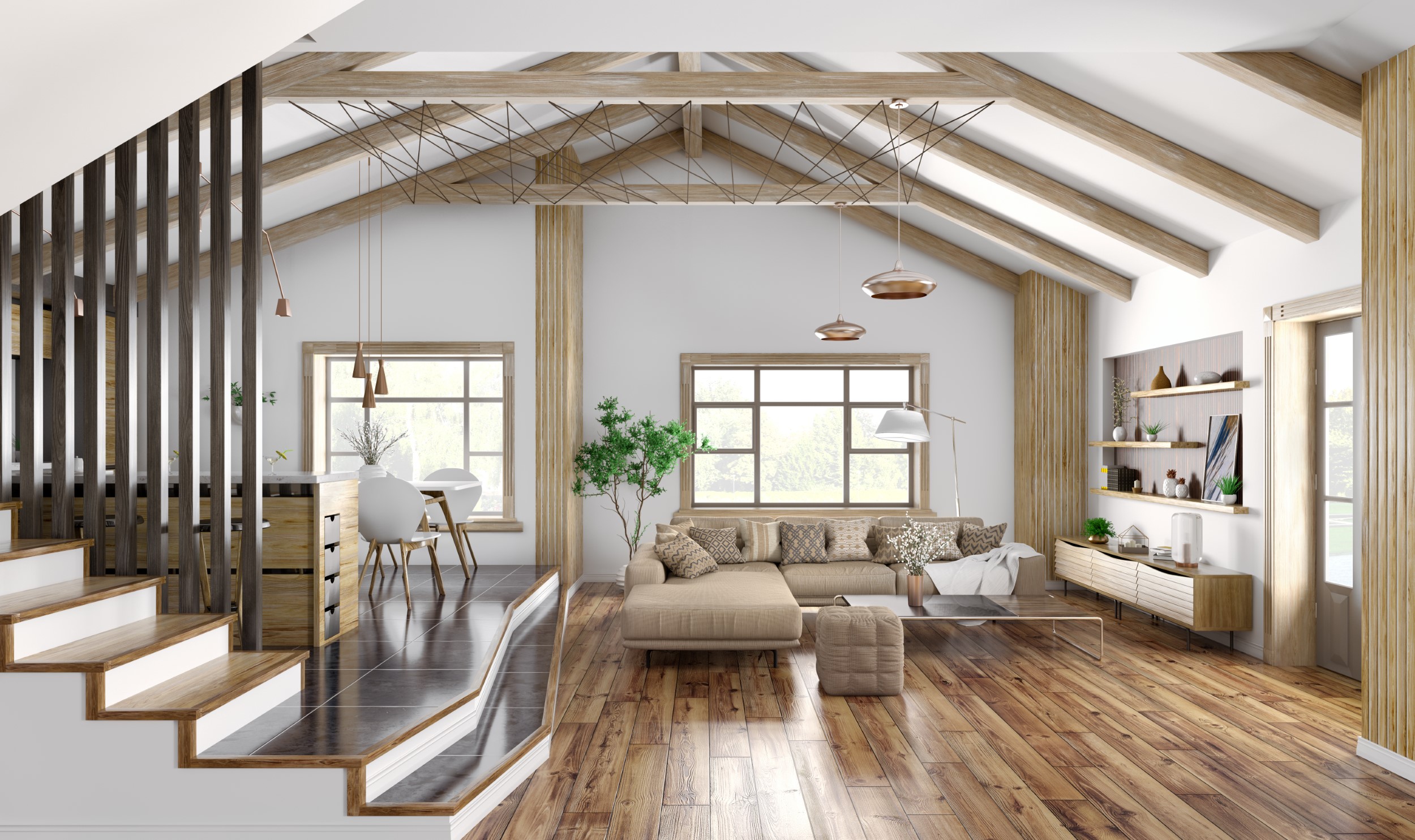
When choosing a color palette for a rustic interior, earth tones and warm neutrals are the way to go. Think of shades of brown, beige, cream, and gray. These colors create a soothing backdrop that complements the natural materials used in rustic design. To add depth and interest, you can incorporate pops of color inspired by nature, such as deep greens or warm oranges.
Weathered Materials
Wood is a primary element used in designing and decorating rustic homes. Wood surfaces should show a bit of age. Reclaimed wood, hammered and distressed metals, and seeded glass convey a sense of history. Reclaimed wood is also ideal, providing an earthy and natural look.
Wide plank flooring complements wood beams typically used to support ceilings. Pine, cherry, alder, and hickory are excellent for emulating a rustic feel.
Rustic Design for Different Rooms
The rustic design style can be applied to every room in your home, from the living room to the bedroom and even the kitchen. Here are some ideas on how to infuse rustic charm into each space:
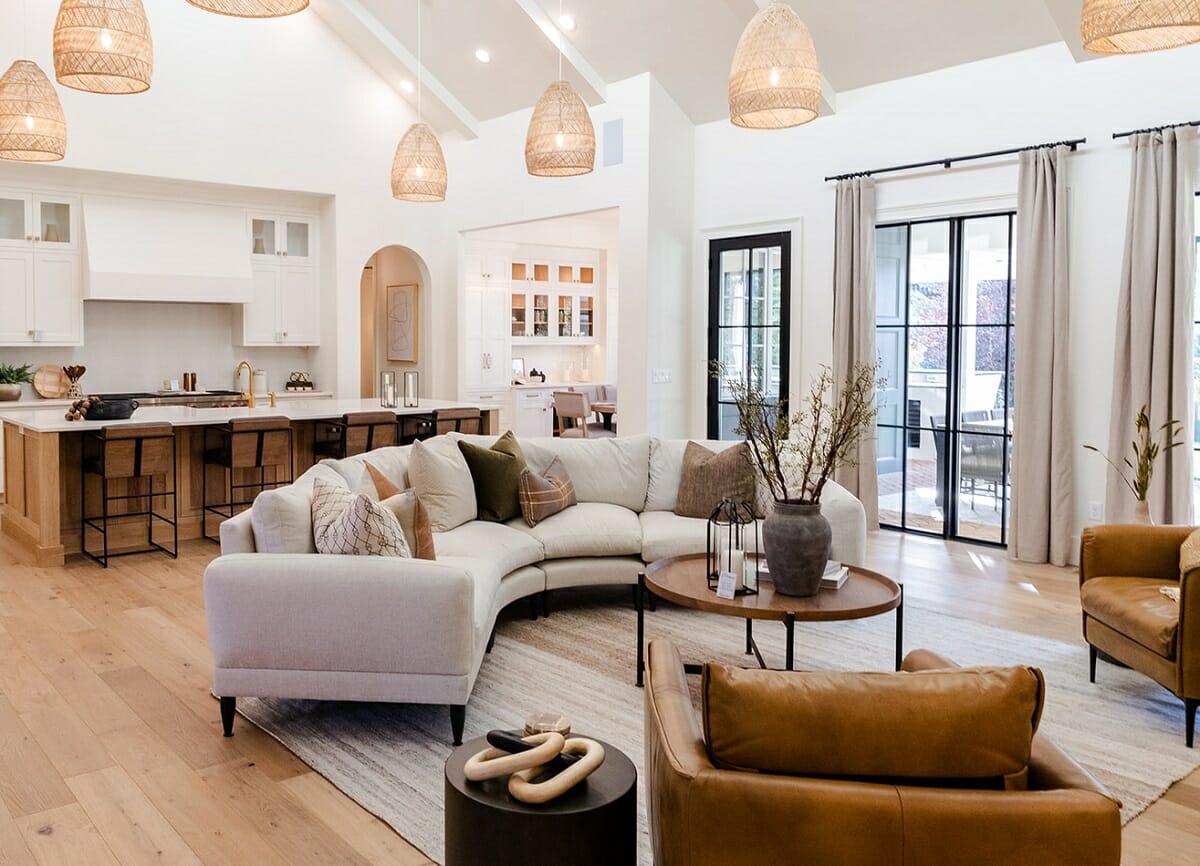
Rustic Living Room Ideas
Create a cozy seating area in the living room by choosing comfortable sofas and armchairs upholstered in natural fabrics like linen or leather. Add a rustic coffee table made from reclaimed wood and accessorize it with vintage-inspired decor like antique lamps or distressed picture frames.
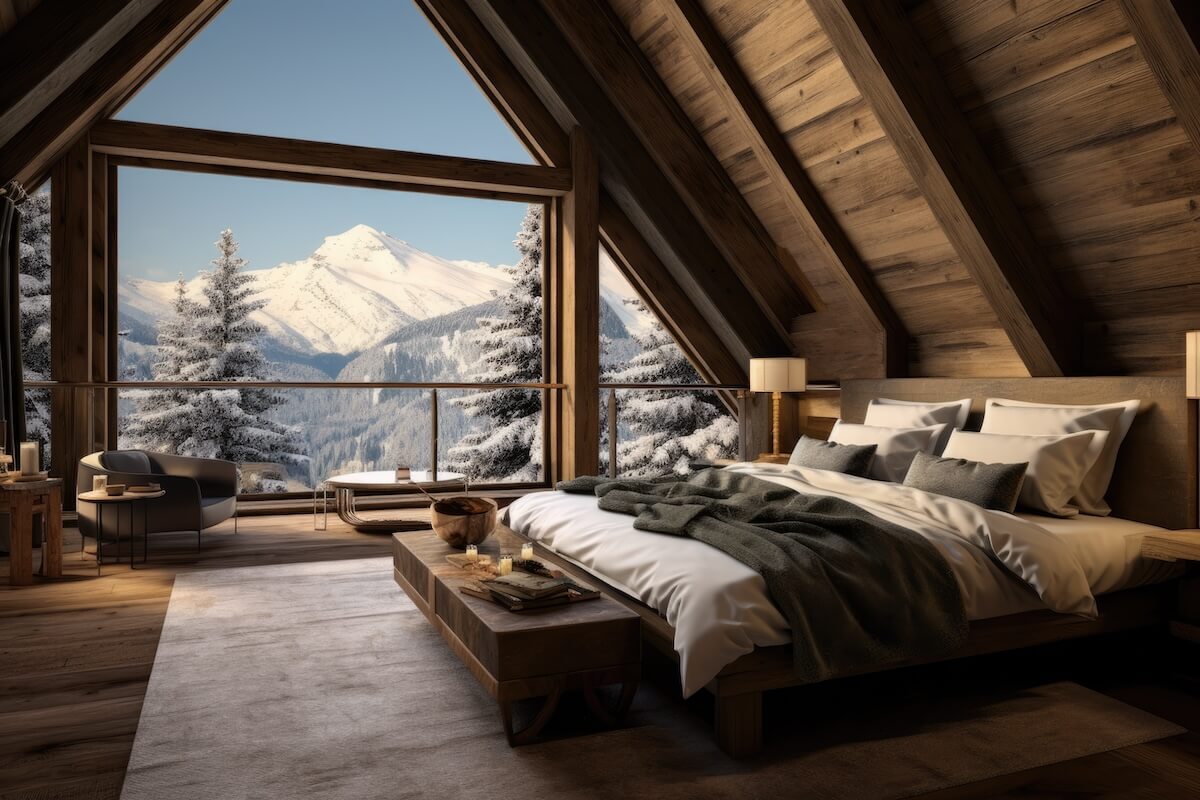
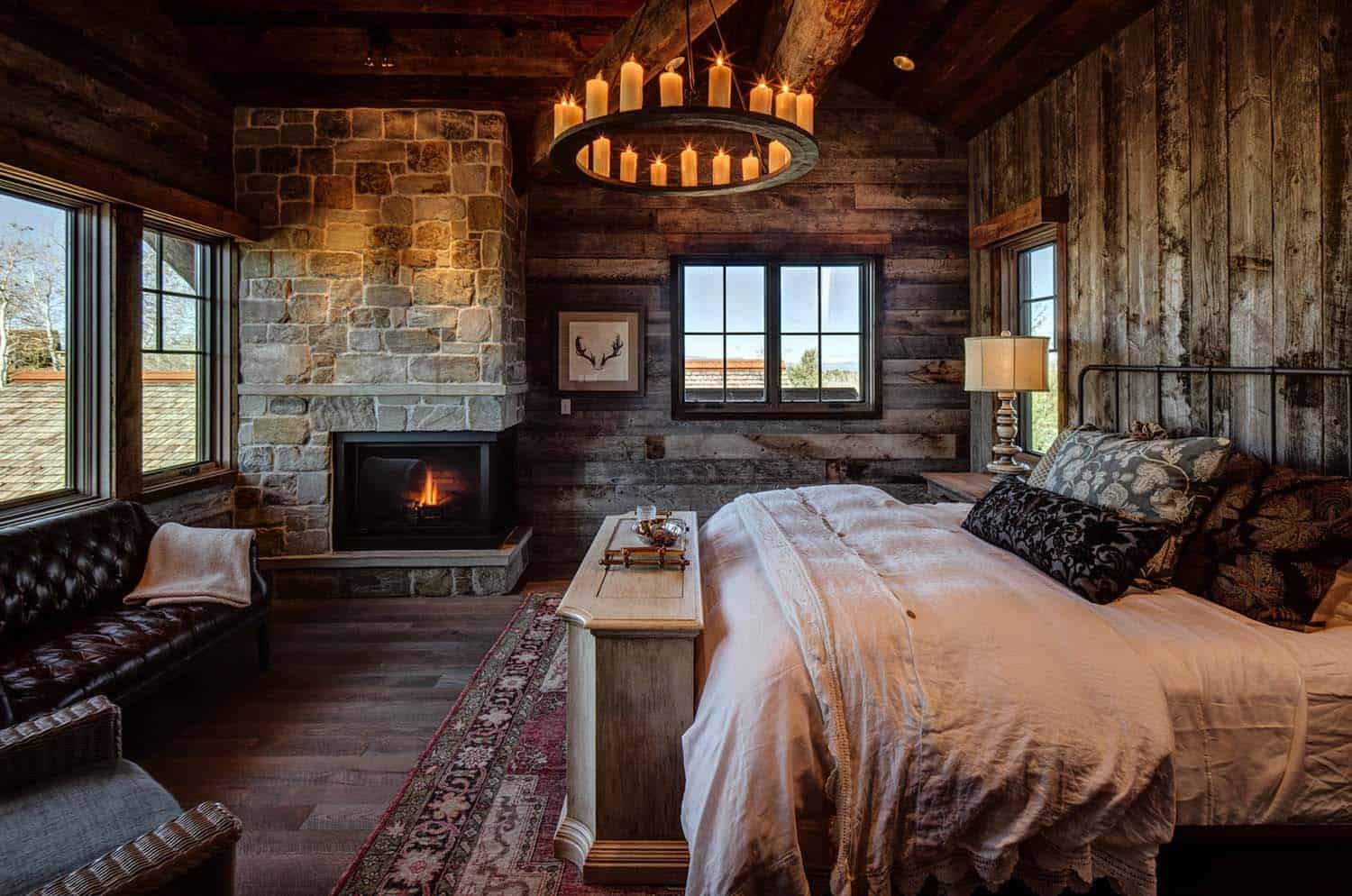
Rustic Bedroom Ideas
Rustic bedrooms bring the outdoors in, pairing natural elements with cozy and serene elegance. These gorgeous bedrooms take advantage of their stunning surroundings with a design sensibility that complements and reflects the surrounding views.
Rustic bedrooms typically incorporate rugged stone, warm wood tones, and organic materials. Opt for a wooden bed frame or a wrought iron canopy bed for a rustic bedroom to create a focal point. Dress the bed with soft, natural-colored bedding and layer with textured throws and cushions. Incorporate rustic lighting fixtures, such as a chandelier made from driftwood or a bedside lamp with a burlap shade.
Conclusion
Incorporating the rustic design style into your living space allows you to create a warm, inviting, timeless, and comforting atmosphere. By understanding the key principles of rustic design and incorporating natural materials, warm color palettes, and rustic furniture and decor, you can transform your home into a haven of tranquility that reflects your style.