Home Upload Photo Upload Videos Write a Blog Analytics Messaging Streaming Create Adverts Creators Program
Bebuzee Afghanistan Bebuzee Albania Bebuzee Algeria Bebuzee Andorra Bebuzee Angola Bebuzee Antigua and Barbuda Bebuzee Argentina Bebuzee Armenia Bebuzee Australia Bebuzee Austria Bebuzee Azerbaijan Bebuzee Bahamas Bebuzee Bahrain Bebuzee Bangladesh Bebuzee Barbados Bebuzee Belarus Bebuzee Belgium Bebuzee Belize Bebuzee Benin Bebuzee Bhutan Bebuzee Bolivia Bebuzee Bosnia and Herzegovina Bebuzee Botswana Bebuzee Brazil Bebuzee Brunei Bebuzee Bulgaria Bebuzee Burkina Faso Bebuzee Burundi Bebuzee Cabo Verde Bebuzee Cambodia Bebuzee Cameroon Bebuzee Canada Bebuzee Central African Republic Bebuzee Chad Bebuzee Chile Bebuzee China Bebuzee Colombia Bebuzee Comoros Bebuzee Costa Rica Bebuzee Côte d'Ivoire Bebuzee Croatia Bebuzee Cuba Bebuzee Cyprus Bebuzee Czech Republic Bebuzee Democratic Republic of the Congo Bebuzee Denmark Bebuzee Djibouti Bebuzee Dominica Bebuzee Dominican Republic Bebuzee Ecuador Bebuzee Egypt Bebuzee El Salvador Bebuzee Equatorial Guinea Bebuzee Eritrea Bebuzee Estonia Bebuzee Eswatini Bebuzee Ethiopia Bebuzee Fiji Bebuzee Finland Bebuzee France Bebuzee Gabon Bebuzee Gambia Bebuzee Georgia Bebuzee Germany Bebuzee Ghana Bebuzee Greece Bebuzee Grenada Bebuzee Guatemala Bebuzee Guinea Bebuzee Guinea-Bissau Bebuzee Guyana Bebuzee Haiti Bebuzee Honduras Bebuzee Hong Kong Bebuzee Hungary Bebuzee Iceland Bebuzee India Bebuzee Indonesia Bebuzee Iran Bebuzee Iraq Bebuzee Ireland Bebuzee Israel Bebuzee Italy Bebuzee Jamaica Bebuzee Japan Bebuzee Jordan Bebuzee Kazakhstan Bebuzee Kenya Bebuzee Kiribati Bebuzee Kuwait Bebuzee Kyrgyzstan Bebuzee Laos Bebuzee Latvia Bebuzee Lebanon Bebuzee Lesotho Bebuzee Liberia Bebuzee Libya Bebuzee Liechtenstein Bebuzee Lithuania Bebuzee Luxembourg Bebuzee Madagascar Bebuzee Malawi Bebuzee Malaysia Bebuzee Maldives Bebuzee Mali Bebuzee Malta Bebuzee Marshall Islands Bebuzee Mauritania Bebuzee Mauritius Bebuzee Mexico Bebuzee Micronesia Bebuzee Moldova Bebuzee Monaco Bebuzee Mongolia Bebuzee Montenegro Bebuzee Morocco Bebuzee Mozambique Bebuzee Myanmar Bebuzee Namibia Bebuzee Nauru Bebuzee Nepal Bebuzee Netherlands Bebuzee New Zealand Bebuzee Nicaragua Bebuzee Niger Bebuzee Nigeria Bebuzee North Korea Bebuzee North Macedonia Bebuzee Norway Bebuzee Oman Bebuzee Pakistan Bebuzee Palau Bebuzee Panama Bebuzee Papua New Guinea Bebuzee Paraguay Bebuzee Peru Bebuzee Philippines Bebuzee Poland Bebuzee Portugal Bebuzee Qatar Bebuzee Republic of the Congo Bebuzee Romania Bebuzee Russia Bebuzee Rwanda Bebuzee Saint Kitts and Nevis Bebuzee Saint Lucia Bebuzee Saint Vincent and the Grenadines Bebuzee Samoa Bebuzee San Marino Bebuzee São Tomé and Príncipe Bebuzee Saudi Arabia Bebuzee Senegal Bebuzee Serbia Bebuzee Seychelles Bebuzee Sierra Leone Bebuzee Singapore Bebuzee Slovakia Bebuzee Slovenia Bebuzee Solomon Islands Bebuzee Somalia Bebuzee South Africa Bebuzee South Korea Bebuzee South Sudan Bebuzee Spain Bebuzee Sri Lanka Bebuzee Sudan Bebuzee Suriname Bebuzee Sweden Bebuzee Switzerland Bebuzee Syria Bebuzee Taiwan Bebuzee Tajikistan Bebuzee Tanzania Bebuzee Thailand Bebuzee Timor-Leste Bebuzee Togo Bebuzee Tonga Bebuzee Trinidad and Tobago Bebuzee Tunisia Bebuzee Turkey Bebuzee Turkmenistan Bebuzee Tuvalu Bebuzee Uganda Bebuzee Ukraine Bebuzee United Arab Emirates Bebuzee United Kingdom Bebuzee Uruguay Bebuzee Uzbekistan Bebuzee Vanuatu Bebuzee Venezuela Bebuzee Vietnam Bebuzee World Wide Bebuzee Yemen Bebuzee Zambia Bebuzee Zimbabwe
Blog Image

Ethiopia Opens Banking Sector to Foreign Investment

Ethiopia is set to partially open its banking sector to foreign banks following a recent vote by lawmakers, marking a significant shift in the country’s economic policy. This decision aligns with Prime Minister Abiy Ahmed's ongoing efforts to liberalize the heavily state-controlled economy since he took office in 2018.

According to local media outlet FanaBC, the new banking law allows foreign banks to establish subsidiaries in Ethiopia, although they will be limited to owning only 49 percent of shares in these entities. This move is seen as a crucial step towards enhancing competition within the banking sector and attracting foreign investment across various industries.

Independent analyst Samson Berhane commented on the implications of this development, stating, "It is a big step forward, as the opening of the banking sector doesn't only mean more foreign banks in the country, but it is also critical for attracting foreign investment in other areas." He noted that this reform is part of a broader strategy to signal that Ethiopia is open for business.

The decision to open the banking sector comes amid a series of economic reforms aimed at stabilizing the Ethiopian economy, which has faced significant challenges in recent years. Internal conflicts, particularly the civil war in the northern Tigray region from 2020 to 2022, have led to sanctions from the United States and have hampered the pace of reforms.

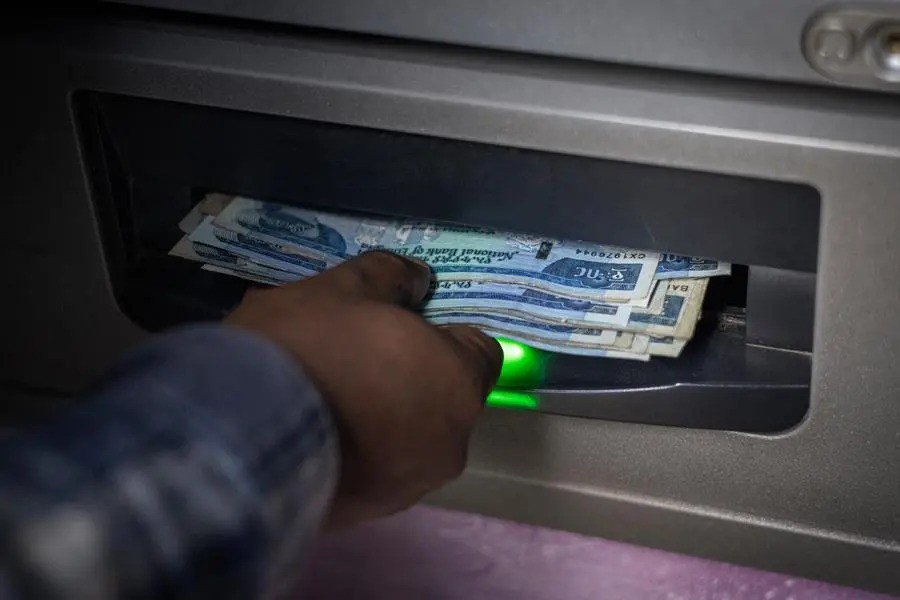
In July, Ethiopia made the difficult choice to allow its currency, the birr, to float freely against the dollar. This decision resulted in a sharp decline in the birr's value but was deemed necessary as the previous dollar peg was unsustainable, especially with foreign currency reserves nearing zero. The International Monetary Fund (IMF) and the World Bank had withheld a combined $4.9 billion in aid and financing until Ethiopia accepted the need for currency liberalization.

Ethiopia, Africa's second most populous country with approximately 120 million people, experienced remarkable economic growth rates—often exceeding 10 percent annually—between 2004 and 2019. However, the economy has since been adversely affected by internal conflicts, the COVID-19 pandemic, and the global repercussions of the war in Ukraine.

According to the World Bank, economic growth slowed to an average of 5.9 percent between 2020 and 2023, while inflation surged from 20.4 percent to 30.2 percent during the same period. The opening of the banking sector is seen as a potential catalyst for revitalizing the economy and attracting much-needed foreign investment.

Ethiopia's decision to open its banking sector to foreign investment represents a pivotal moment in the country's economic reform journey. By allowing foreign banks to establish a presence in the market, the government aims to enhance competition, attract investment, and ultimately stabilize the economy. As Ethiopia navigates the complexities of its internal challenges and seeks to re-establish itself on the global economic stage, these reforms could play a crucial role in shaping its future growth trajectory.

Previous Post

How Windsor Home Builders Can Turn Your Renovation Ideas into Reality

Next Post

10 Common Mistakes to Avoid When Choosing a Construction Contractor

Comments