EU-funded film puts viewers in shoes of Venezuelan migrants
-
 Loading...
 - christine rhoda
- 25 Mar 2022
- 387 Views
- 0 Like
- 0 Comment
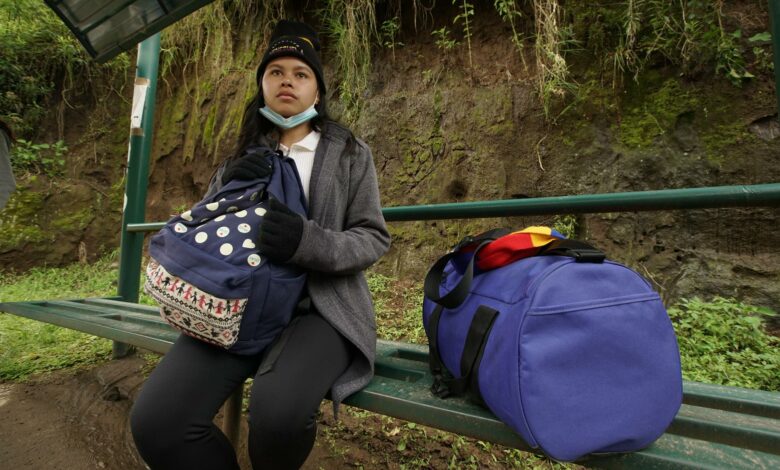
“I’m Arianna and I’m 18 years old. I’m Venezuelan.”
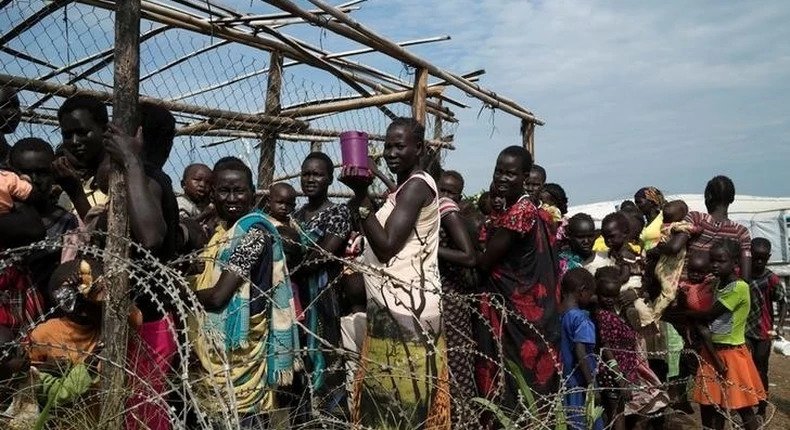
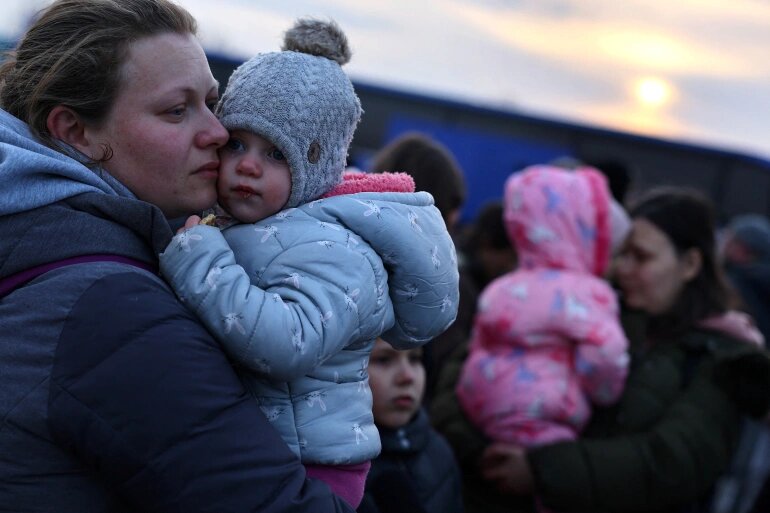
Those are the opening lines of “Del otro lado” (From the Other Side), a film produced by the Office of the United Nations High Commissioner for Refugees (UNHCR) and funded by the European Union that examines the struggles of one of the 21st century’s largest displaced populations.
“The goal of this project is to raise awareness, forge connections and humanize the situation of people who, for reasons beyond their control, have to leave their home,” 21-year-old actress Rosa Ortiz, who emigrated with her family from Venezuela to Ecuador nearly seven years ago, said in an interview with Efe.
That native of the southeastern Venezuelan city of Ciudad Bolivar plays the role of Arianna, a young woman who decides to leave her homeland and reunite with her older sister in Quito.
“Arianna’s courage in deciding to take her things and go walking alone is impressive. Even though she’s a fictional character, (her story) is based on a lot of (people’s) realities,” Ortiz said.
The film, which will be screened on Thursday in an online event, strives to faithfully depict reality while also tugging at the viewers’ heartstrings.
“In this case, the focus is on displaced Venezuelans, but the theme is universal,” Ortiz said, adding that for her what is important is not only the events on screen but also “the story behind each person, which isn’t always good, isn’t always happy, which is hard.”
The character she portrays was forced to leave her country and travel more than 2,500 kilometers (1,550 miles) to a safe place where she could resume her studies, go to university and pursue her dream of becoming a doctor.
During her journey on foot, by bus or as a hitchhiker, the protagonist is triply vulnerable as a young woman, a migrant and a lone traveler and fears for her safety on multiple occasions.
Ortiz got a sense of the real-life perils facing people in this predicament during a hitchhiking scene, with the crew at one point deliberately remaining out of her sight as a car approached and two men began hurling insults at her.
“They started shouting things. I got scared, I got nervous. The car backed away and the production crew came out. I don’t want to imagine that being real or being alone,” she recalled.
Recorded in the vicinity of the Rumichaca International Bridge that serves as a border crossing between Colombia and Ecuador, as well as in the Ecuadorian cities of Tulcan, Santo Domingo and Quito, the film is based in part on the real-life ordeals of its Venezuelan cast and crew members. Read More…