European Security Stakes in Romania’s 2024 Elections

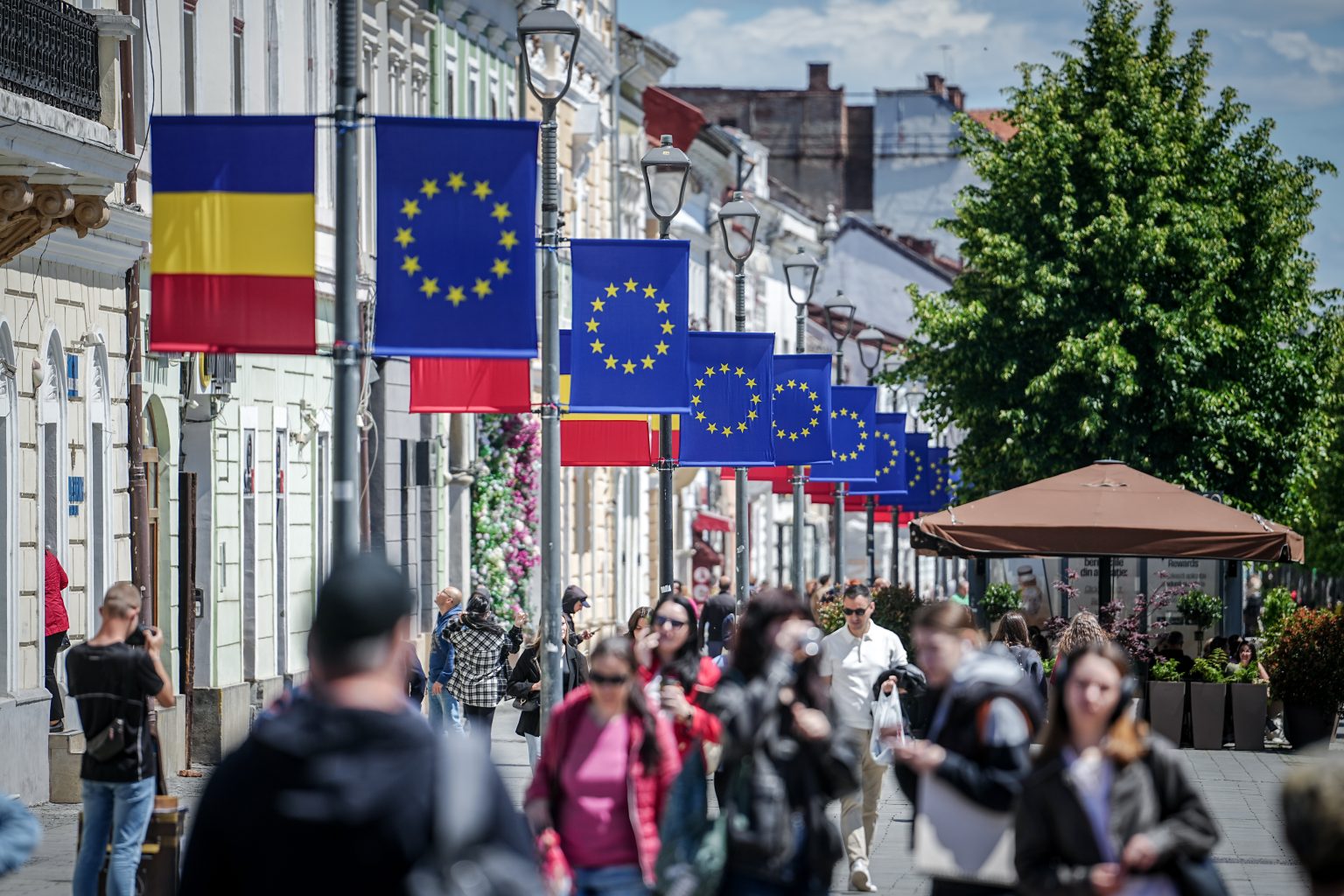
As Romania prepares for its upcoming presidential and parliamentary elections, the stakes for European security are notably high. With the country set to host Europe’s largest NATO base, the political landscape in Romania will play a crucial role in shaping regional stability and the collective defense posture of the alliance, particularly in light of ongoing tensions stemming from Russia's invasion of Ukraine.
Romania, a NATO member that shares a border with Ukraine, is strategically positioned in the context of European security. The expansion of the Mihail Kogalniceanu air base near Constanta on the Black Sea coast is a testament to this importance, as it is poised to become the largest military base in Europe, surpassing even the Ramstein Air Base in size and significance. The internal political dynamics in Romania could significantly influence its role within NATO and its relationships with Western allies, making the upcoming elections critical.
Scheduled for November 24, 2024, with a potential second round on December 8, the presidential election is shaping up to be unpredictable. While all major political forces have put forward official candidates, public sentiment suggests a potential for dramatic changes in the lineup. Speculation about the replacement of underperforming candidates or the emergence of a bipartisan president-prime minister ticket has circulated, but no such shifts have materialized as of yet.
Romania's political landscape is characterized by a two-tier governance system: a formal political structure with democratic institutions and an informal layer that includes various actors wielding less transparent influence. This informal governance often complicates the decision-making process, leading to a political environment where unexpected maneuvers are common.
Since late 2021, Romania has been governed by a grand coalition between the Social Democratic Party (PSD) and the National Liberal Party (PNL), despite their historical rivalry. This coalition, often referred to as an "alliance against nature," was formed in response to the Covid-19 pandemic and the geopolitical pressures from Russia. The coalition's dynamics have been further complicated by the upcoming elections, as both parties seek to position themselves favorably while still sharing power.
In the June 2024 European Parliament elections, the two parties ran on joint lists, securing 48.6% of the vote. However, in local elections held concurrently, the PSD outperformed the PNL, raising questions about the coalition's future viability.
The parliamentary elections, scheduled for December 1, 2024, may overlap with the presidential race, adding another layer of complexity. Both major parties are vying to succeed outgoing President Klaus Iohannis while simultaneously competing in parliamentary contests. Nicolae Ciuca, the PNL president, has indicated that the coalition with the PSD will end, further muddying the waters of political alliances.
Opinion polls leading up to the elections have shown significant fluctuations. As of mid-October 2024, Prime Minister Marcel Ciolacu of the PSD led with 24%, followed by George Simion (17%), Mircea Geoana (15%), and Nicolae Ciuca (15%). Notably, about one-third of respondents remained undecided, indicating a fluid political climate.
In the parliamentary elections, projections suggest the PSD could secure around 31% of the vote, with the PNL at 20%. The opposition parties, including the AUR Alliance and the Save Romania Union, are expected to gain traction, further complicating the electoral landscape.
Candidates' positions on critical issues, particularly regarding the Russian-Ukrainian conflict, have become key indicators of their geopolitical alignments. Most mainstream candidates align with the European and U.S. establishment, while only a few, like George Simion, express concerns about national sovereignty and the impact of EU centralism.
On economic issues, candidates generally favor interventionist policies without adequately addressing economic stagnation or presenting comprehensive social policies. The lack of a compelling vision for Romania's identity and role in Europe is evident, with most candidates relying on slogans about EU and NATO alignment rather than engaging with broader global developments.
As Romania approaches its pivotal elections in 2024, the implications for European security are profound. The outcome will not only determine the future of Romania's internal politics but also its role within NATO and its relationships with Western allies. With a complex political landscape characterized by a grand coalition, fluctuating public sentiment, and critical geopolitical issues at stake, the elections will be closely watched both domestically and internationally. The decisions made in the coming months will shape Romania's trajectory and its contributions to regional stability in an increasingly uncertain world.