Vote-Buying a Major Issue in Bulgarian Elections
-
 Loading...
 - Elise Blanchet
- 01 Nov 2024
- 50 Views
- 0 Like
- 0 Comment
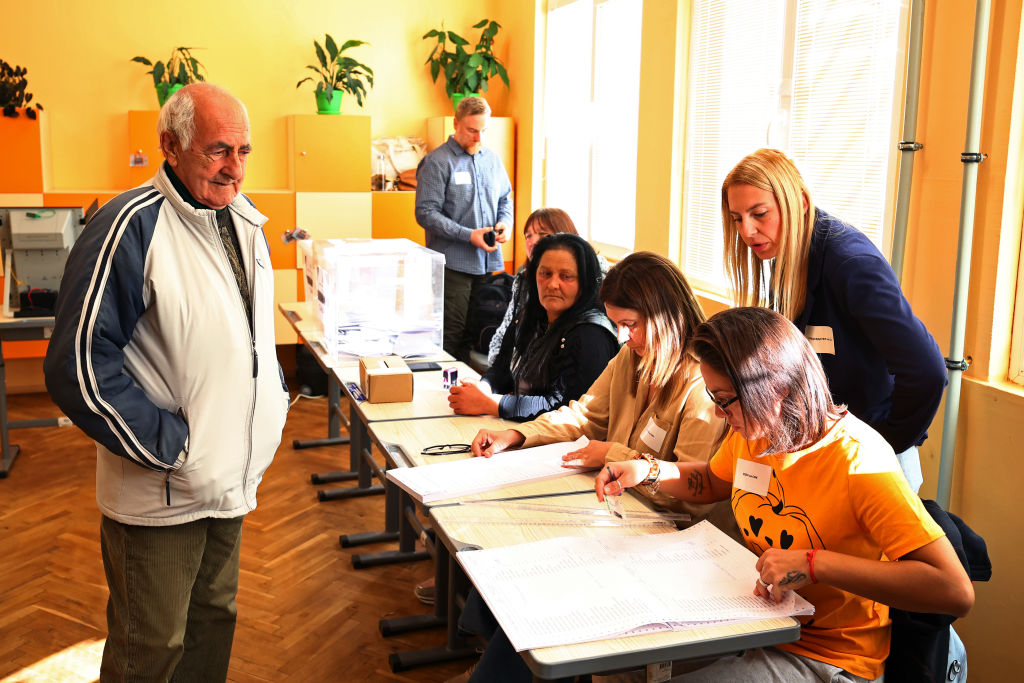
Vote-buying has emerged as a significant concern in Bulgaria's recent parliamentary elections, drawing sharp criticism from various political leaders and raising alarms about the integrity of the electoral process. President Rumen Radev has been vocal in his condemnation, urging prosecutors and law enforcement to take immediate action in response to numerous reports of electoral crimes. His remarks underscore the gravity of the situation, as he questioned how the visible signs of manipulated votes could go unnoticed by the responsible institutions.
In a statement made on Thursday, President Radev expressed his frustration, stating, "How is it possible that the multiplying signals and examples of bought and manipulated votes are visible to everyone, but remain outside the attention of the responsible institutions?" He specifically called for clarity regarding the involvement of mayors and criminal elements in controlling elections, particularly in small towns and Roma neighborhoods, where residents are often more susceptible to coercion and manipulation.
Radev's comments reflect a broader concern about the integrity of Bulgaria's democratic processes. He demanded transparency regarding the political forces and leaders who may be employing such "ugly practices" to influence election outcomes. "Bulgarian citizens have every right to know in whose interests their institutions are working and whether someone is infiltrating the National Assembly through vote-buying, threats, and racketeering," he asserted, emphasizing that "there can be neither bought nor forced democracy."
In the aftermath of the elections, the pro-European coalition We Continue the Change—Democratic Bulgaria (PP-DB) directly accused Delyan Peevski, a controversial figure sanctioned by the US and the UK for corruption, of orchestrating large-scale vote-buying operations. The MRF-New Beginnings party, led by Peevski, garnered 11.5% of the vote, with notable support in regions with significant ethnic Turkish and Roma populations, particularly in economically disadvantaged areas. The PP-DB coalition, which secured 14.3% of the vote, questioned how Peevski could achieve such electoral success despite having a low public approval rating, suggesting that controlled and bought votes played a crucial role.
Ilhan Kyuchyuk, a Bulgarian MEP and co-chair of the Alliance of Liberals and Democrats for Europe (ALDE), also weighed in on the issue, recounting how the vote-buying scheme allegedly began with promises made by Peevski to mayors regarding the use of state funds. He highlighted numerous reports of intimidation and coercion, stating, "All the myths and legends we told them three to four months ago about the Peevski model turned out to be true."
In response to the allegations, caretaker Prime Minister Dimitar Glavchev defended the police's efforts in organizing the elections, asserting that they had done a commendable job. However, prior to the elections, the PP-DB coalition had provided the police with lists compiled by the hacker group BG-Elves, which included names of individuals allegedly involved in vote-buying. The police's response, indicating that some names on the list belonged to deceased individuals or those living abroad, raised further questions about the effectiveness of law enforcement in addressing these serious allegations.
Kostadin Kostadinov, leader of the pro-Russian radical Revival party, also predicted rampant vote-buying, suggesting that a government would be formed in Sofia due to a lack of funds to purchase votes. This sentiment reflects a growing concern among various political factions regarding the integrity of the electoral process.
In a surprising turn, Delyan Peevski himself called for an investigation into the allegations of vote-buying, urging the caretaker government and security services to provide clarity on whether there were instances of bought or corporate votes in the recent elections. "As the leader of the MRF, representing nearly 300,000 voters - Bulgarians, Turks, Pomaks, and Roma, I expect convincing answers from the representatives of the caretaker government," he stated, expressing his worry over the increasing public distrust in state institutions.
The ongoing discourse surrounding vote-buying in Bulgaria highlights the urgent need for reforms to ensure the integrity of the electoral process. As various political leaders call for accountability and transparency, the future of Bulgarian democracy hangs in the balance, with citizens demanding a system free from corruption and manipulation. The situation calls for a concerted effort from all stakeholders to address these issues and restore public confidence in the electoral process.