Everything You Need to Know About Acrylic Nails
-
 Loading...
 - Lavanya Dixit
- 30 Sep 2024
- 48 Views
- 0 Like
- 0 Comment
Acrylic nails have become a popular beauty trend in recent years, offering a long-lasting and durable solution for those looking to enhance the appearance of their natural nails. But what exactly are acrylic nails , and how do they work? In this article, we'll delve into the world of acrylic nails, exploring their history, benefits, and potential drawbacks.
What are Acrylic Nails?
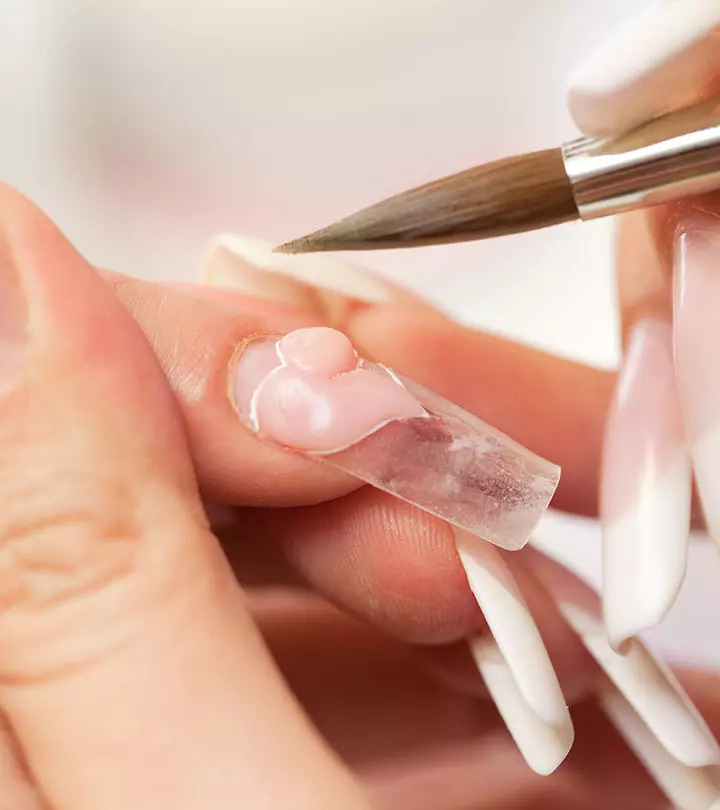
Acrylic nails are a type of artificial nail enhancement made from a mixture of liquid monomer and powder polymer. This combination is applied to the natural nail to create a strong and durable bond, which can be shaped and molded to achieve the desired look.
History of Acrylic Nails
Acrylic nails have been around for decades, with the first recorded use of acrylics in nail enhancements dating back to the 1970s. However, it wasn't until the 1990s that acrylic nails became a mainstream beauty trend.
:max_bytes(150000):strip_icc()/296926706_833601220942131_7636151140601809029_n-4a470eb23c0a4a60bcf5991d39dbf8e6.jpg)
Benefits of Acrylic Nails
Acrylic nails offer a range of benefits, including:
- Long-lasting: Acrylic nails can last for several weeks with proper care and maintenance.
- Durable: Acrylic nails are resistant to chipping and cracking, making them a great option for those with weak or brittle natural nails.
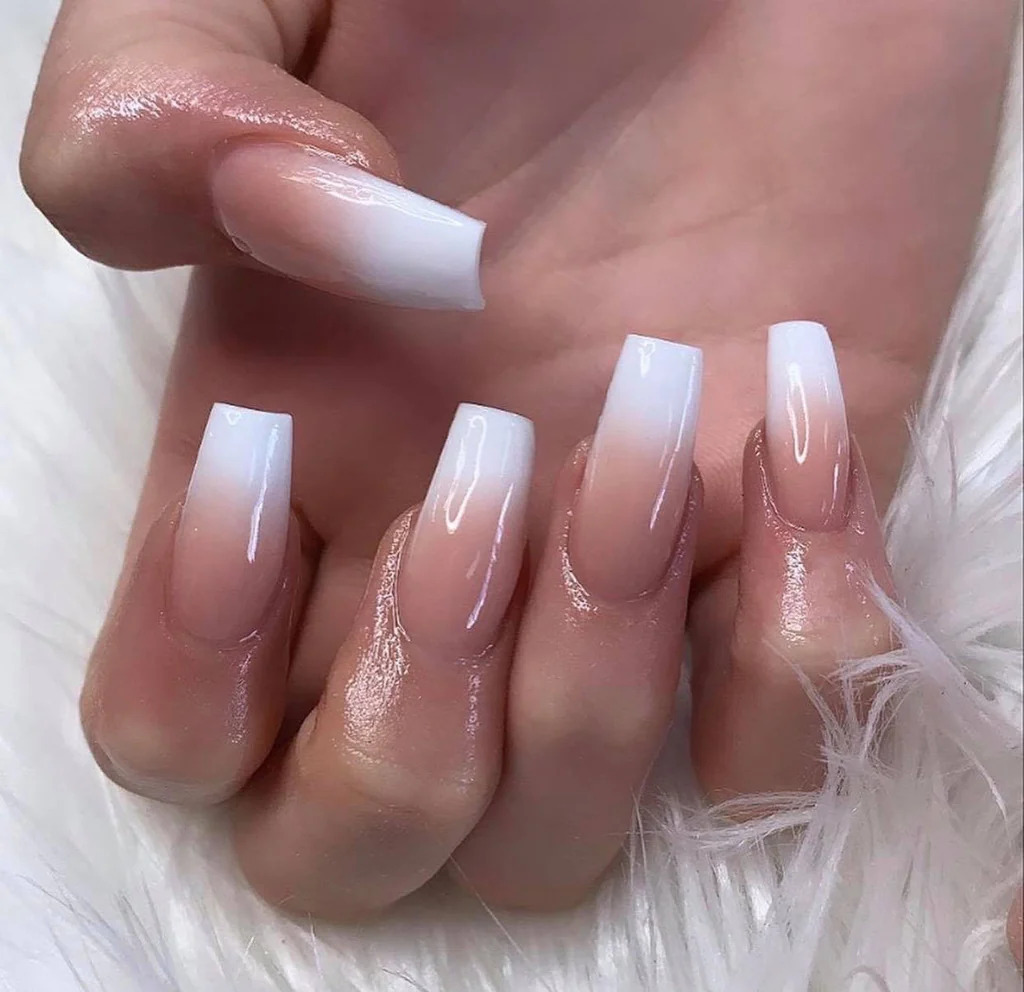
- Versatile: Acrylic nails can be shaped and molded to achieve a variety of different looks, from natural and subtle to bold and dramatic.
Potential Drawbacks of Acrylic Nails
While acrylic nails can be a great option for many people, there are some potential drawbacks to consider:
- Damage to natural nails: If not applied or removed properly, acrylic nails can cause damage to the natural nail, including lifting, cracking, and weakening.
- Allergic reactions: Some people may be allergic to the chemicals used in acrylic nail applications, which can cause skin irritation, redness, and swelling.
- Cost: Acrylic nails can be more expensive than other types of nail enhancements, especially if you need to have them filled or repaired regularly.
How to Apply Acrylic Nails
Applying acrylic nails requires a combination of skill and patience. Here's a step-by-step guide to help you get started:
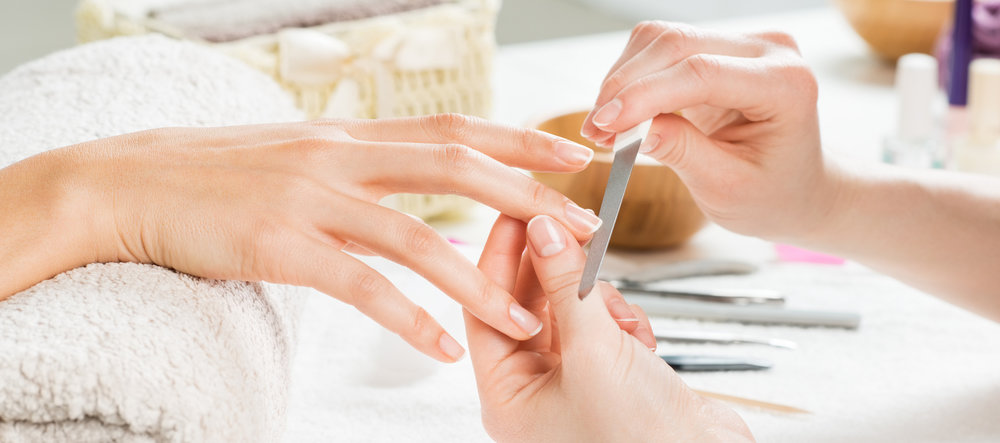
- Prep the nail: Clean and shape the natural nail to prepare it for the acrylic application.
- Apply a primer: Apply a special primer to the nail to help the acrylic adhere.
- Mix the acrylic: Mix the liquid monomer and powder polymer to create the acrylic mixture.
- Apply the acrylic: Apply the acrylic mixture to the nail, shaping and molding it to achieve the desired look.
- Finish and file: Finish the nail by applying a top coat and filing it to a smooth shape.
How to Remove Acrylic Nails
Removing acrylic nails requires care and patience to avoid damaging the natural nail. Here's a step-by-step guide to help you get started:
- Soak the nail: Soak the nail in a special solution to help loosen the acrylic.
- Gently scrape: Gently scrape the acrylic off the nail using a special tool.
- Moisturize: Moisturize the nail and surrounding skin to help hydrate and nourish it.
Conclusion
Acrylic nails can be a great option for those looking to enhance the appearance of their natural nails. With proper care and maintenance, acrylic nails can last for several weeks and offer a range of benefits, including durability and versatility. However, it's essential to be aware of the potential drawbacks, including damage to natural nails and allergic reactions. By following the steps outlined in this article, you can achieve beautiful and long-lasting acrylic nails that make you feel confident and beautiful.