How to Remove Acrylic Nails at Home
-
 Loading...
 - Abam Danso
- 23 Aug 2022
- 73 Views
- 0 Like
- 0 Comment
Removing acrylic nails is a hassle, but it can be a breeze with the right tools and instructions. Not everyone has the time to return to the nail salon, and taking your acrylic nails off can be costly. In these situations, you might have to do it yourself.
We’ll provide you with everything you need to know to remove your acrylic nails at home. We’ll also provide tips and tricks for making the process as easy and painless as possible. Whether you’re looking to replace your acrylic nails or you want your natural nails back, read on for our simple guide on how to do it yourself!
How to Take Off Acrylic Nails With Acetone
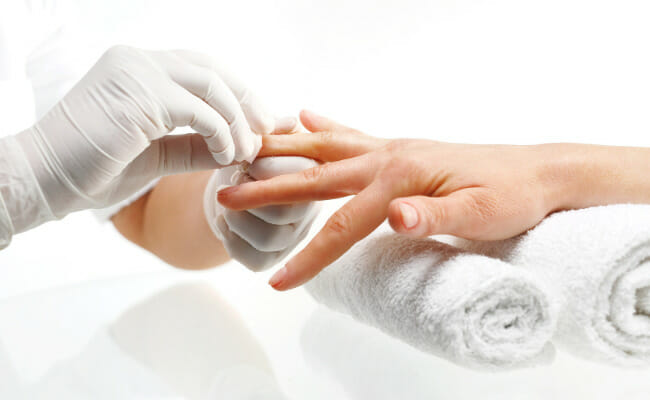
Follow this simple step-by-step process to get rid of acrylic nails quickly.
Cut Off Your Acrylic As Much As You Can
Since you are no expert at filling your acrylics, you must cut them. Use sharp nail clippers to cut your extensions, and leave about 2cm of the acrylic nail above your natural nail bed for safety. This is the quickest and easiest way to get your nails back to their natural length.
File Off Residual Acrylic
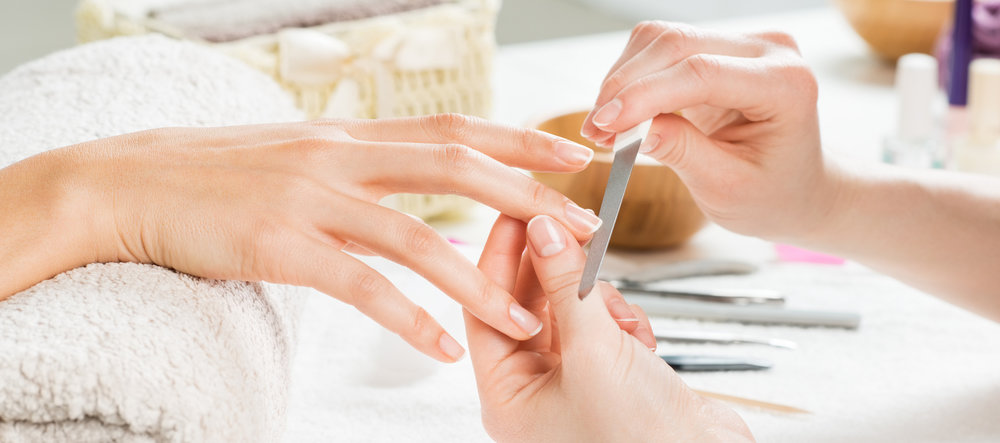
Don’t file your nails along the top edge; just thin out the entire area that the acrylics span in a sawing motion. Remove the most acrylic product you can with a coarse grit file (100/180 Grit).
Using an emery board for this would not work very well. Although a nail drill is an excellent alternative, a 100-grit nail will do since it is coarse enough to file down the acrylics’ surface.
The more acrylic you file away, the less time your nails soak in acetone.
Eliminate Remaining Acrylic Nails With Acetone
After filing down your acrylic nails, dip the nails in 100% acetone for as long as it takes to dissolve the product completely.
There are two approaches here. The first method involves wrapping each fingertip in foil after placing an acetone-soaked cotton ball over each nail. This is the best and safest method.
You can also soak your fingers in a bowl of acetone. It is less complicated, but the bowl technique is harsher on your skin and takes longer.
To avoid dried-out skin on your hand and fingers, only dip the tips of your nails into the bowl. Because acetone is highly volatile and can cause skin irritation and respiratory problems, only use it in well-ventilated areas. Read More...