Exchange of Experiences Between Morocco and Spain for the Conservation of Endangered Species
-
 Loading...
 - Edgar Ellis
- 05 Dec 2024
- 37 Views
- 0 Like
- 0 Comment
A recent visit by a Moroccan delegation to several conservation and research centers in Andalusia aimed to enhance collaboration and knowledge exchange between Moroccan and Spanish professionals in the fields of captive breeding, species reintroduction, and biodiversity conservation. The focus was on endangered species such as the ibis eremita (Geronticus eremita), torillo (Turnix sylvaticus), and various sea turtles. This initiative coincided with the celebration of the joint commission of the Intercontinental Biosphere Reserve of the Mediterranean, involving the Spanish, Moroccan, and Andalusian governments.
The visit sought to foster discussions on relaunching a new roadmap for improving the management of the Intercontinental Biosphere Reserve, emphasizing the importance of collaboration among the three governments. The Moroccan delegation, led by senior officials from the Moroccan National Agency for Water and Forests (ANEF), included experts in ecology, protected area management, ecotourism, and veterinary sciences. Spanish participants included representatives from the regional government, the Spanish Ministry for Ecological Transition, and local conservation organizations.
Zouhair Amhaouch, head of ANEF's National Parks and Protected Areas Department, highlighted the significance of strengthening collaboration, stating, "Strengthening collaboration between the Spanish, Andalusian, and Moroccan administrations is key to achieving better results in the conservation of endangered species and in the management of the protected areas we share." He noted the crucial role of the International Union for Conservation of Nature (IUCN) in facilitating this transboundary cooperation.
During their visit, the Moroccan experts toured several important conservation sites, including:
- Zoobotanic of Jerez
- Biological Station of Doñana (CSIC)
- International Bird Migration Centre in Tarifa (Migres Foundation)
- Centre for the Management of the Marine Environment of the Strait in Algeciras
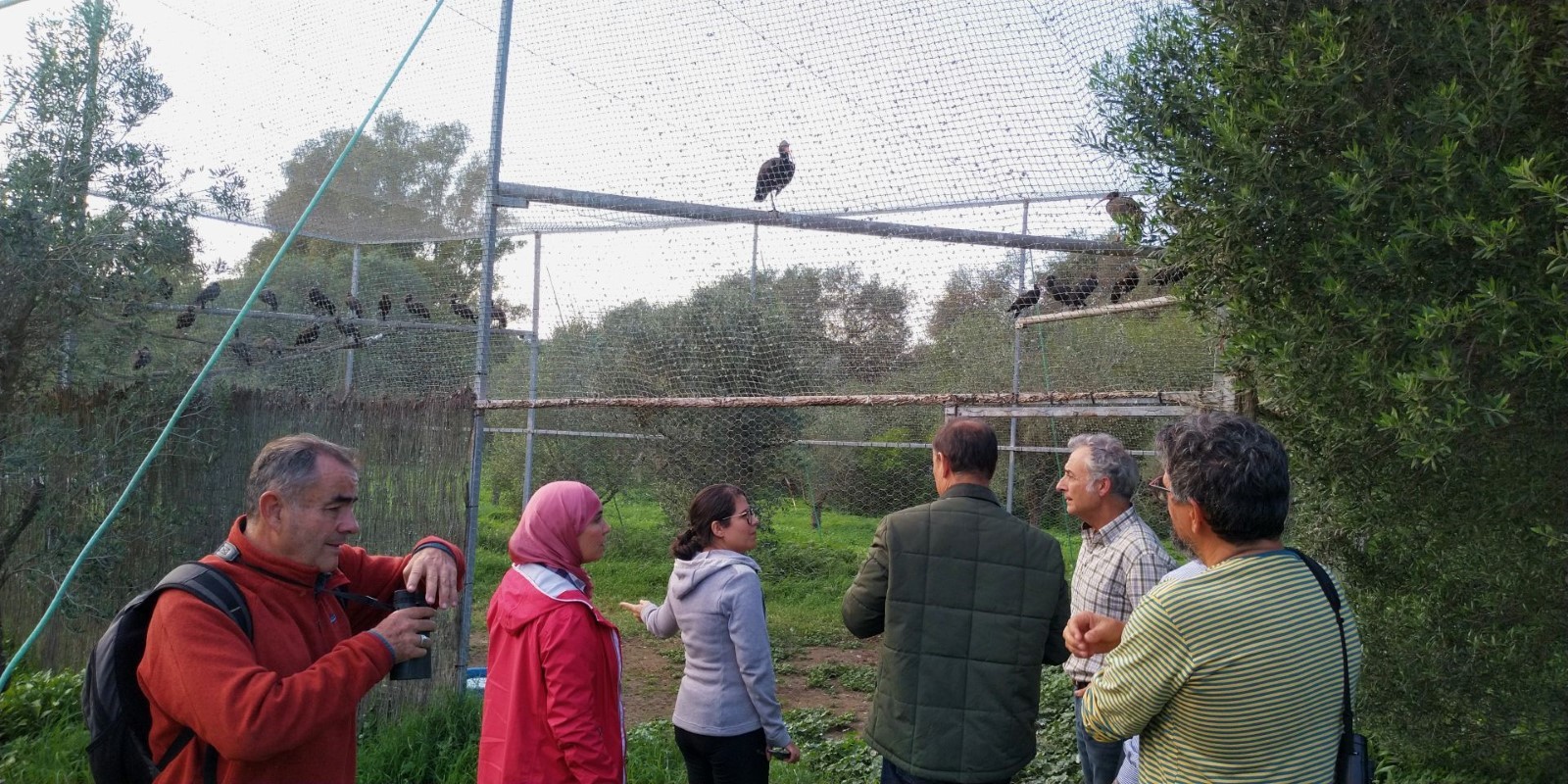
At the Zoobotanical Biodiversity Conservation Centre of Jerez, the Moroccan delegation expressed interest in the Spanish experience with the conservation and reintroduction of the ibis eremita, which is critically endangered according to the IUCN Red List. The goal for Morocco is to develop a similar program in Ifrane National Park. They also inquired about conservation efforts for other species, such as the dorcas and dama gazelles.
A notable discussion involved the Andalusian bullfinch, the only bird officially declared extinct in Europe in the last 150 years, which still has a population on the Moroccan side. The Moroccan government is open to initiating a collaboration program for breeding, reproduction, and reintroduction of this species in Spain, in partnership with the Jerez center.
At Doñana, the delegation learned about the Iberian lynx conservation program and explored the potential for developing a captive breeding and reintroduction model for the African serval (Leptailurus serval), a wild cat considered extinct in Morocco.
The visit to the marine species recovery center in Algeciras (CEGMA) served as a reference for establishing a similar center in Alhouceima for the recovery of sea turtles. The Moroccan delegation also exchanged experiences with technicians from the Strait of Gibraltar Natural Park, discussing challenges and opportunities in managing protected areas, particularly regarding public use and monitoring.
Commitment to Biodiversity
"This international collaboration reinforces the commitment to biodiversity and the protection of key ecosystems in this ecologically valuable region," stated Maher Mahjoub, Director of IUCN's Centre for Mediterranean Cooperation. He emphasized the importance of these experience-sharing initiatives for ensuring a sustainable future and the conservation of threatened species.
The collaboration between the Spanish Ministry for Ecological Transition, the Ministry of Sustainability and Environment, and the Moroccan National Water and Forestry Agency underscores a shared commitment to biodiversity conservation and sustainable management of natural resources in the Mediterranean region.