Exclusion of left-wing candidates from upcoming presidential race in Guatemala raises concerns
-
 Loading...
 - Maria Laine
- 20 Apr 2023
- 66 Views
- 0 Like
- 0 Comment
Guatemala’s Supreme Electoral Tribunal has barred progressive candidates Thelma Cabrera and Jordán Rodas of the MLP party from running on dubious grounds
Guatemala is preparing to hold general elections on June 25. Over 9 million Guatemalans will go to the polls to elect the country’s next president, vice president, 160 legislators, 20 members of the Central American Parliament (PARLACEN) as well as mayors and councilors for all 340 municipalities in the country for the period of 2024-2028. However, concerns have been raised about the credibility of the electoral process following the decision of the Supreme Electoral Tribunal (TSE) to bar progressive candidates from running in the presidential elections on dubious grounds.
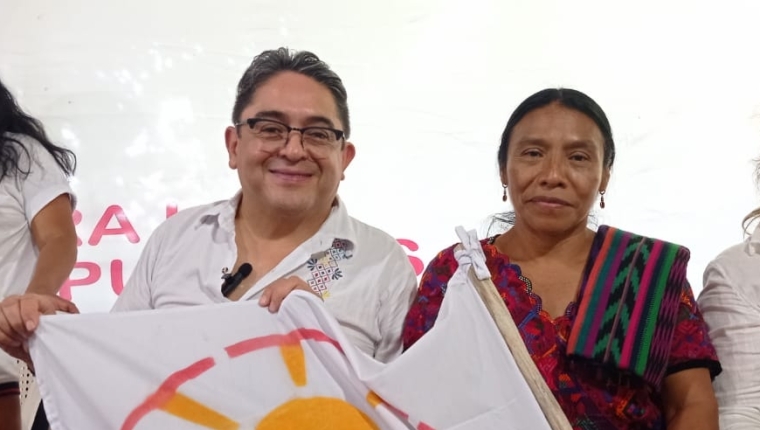
On January 27, the Directorate General of Citizens’ Registry of the TSE, which oversees elections, denied registering the presidential ticket of the left-wing political party Movement for the Liberation of the Peoples (MLP). Indigenous leader Thelma Cabrera and former head of the Human Rights Ombudsman’s Office (PDH) Jordán Rodas were set to be MLP’s candidates for presidency and vice presidency, respectively. The official said that Cabrera and Rodas could not run in the elections because there was an “anomaly” in Rodas’ paperwork. The anomaly turned out to be an administrative error and the MLP leaders immediately filed an appeal in the TSE to reverse the decision and accept the registration of Cabrera and Rodas.
Nevertheless, on February 2, the plenary of magistrates of the TSE ruled against the annulment appeal filed by the MLP, confirming the decision. The TSE stated that a certificate submitted by Rodas as a part of the paperwork at the time of registration was invalid because he is facing criminal charges, owing to a recent complaint against him. On January 6, ten days after Cabrera and Rodas applied to be registered as candidates, the current Human Rights Ombudsman Alejandro Córdova filed a criminal complaint against Rodas, expressing unspecified “doubts” about the way Rodas made payment of a compensation during his time in the office. Read More…