Home Upload Photo Upload Videos Write a Blog Analytics Messaging Streaming Create Adverts Creators Program
Bebuzee Afghanistan Bebuzee Albania Bebuzee Algeria Bebuzee Andorra Bebuzee Angola Bebuzee Antigua and Barbuda Bebuzee Argentina Bebuzee Armenia Bebuzee Australia Bebuzee Austria Bebuzee Azerbaijan Bebuzee Bahamas Bebuzee Bahrain Bebuzee Bangladesh Bebuzee Barbados Bebuzee Belarus Bebuzee Belgium Bebuzee Belize Bebuzee Benin Bebuzee Bhutan Bebuzee Bolivia Bebuzee Bosnia and Herzegovina Bebuzee Botswana Bebuzee Brazil Bebuzee Brunei Bebuzee Bulgaria Bebuzee Burkina Faso Bebuzee Burundi Bebuzee Cabo Verde Bebuzee Cambodia Bebuzee Cameroon Bebuzee Canada Bebuzee Central African Republic Bebuzee Chad Bebuzee Chile Bebuzee China Bebuzee Colombia Bebuzee Comoros Bebuzee Costa Rica Bebuzee Côte d'Ivoire Bebuzee Croatia Bebuzee Cuba Bebuzee Cyprus Bebuzee Czech Republic Bebuzee Democratic Republic of the Congo Bebuzee Denmark Bebuzee Djibouti Bebuzee Dominica Bebuzee Dominican Republic Bebuzee Ecuador Bebuzee Egypt Bebuzee El Salvador Bebuzee Equatorial Guinea Bebuzee Eritrea Bebuzee Estonia Bebuzee Eswatini Bebuzee Ethiopia Bebuzee Fiji Bebuzee Finland Bebuzee France Bebuzee Gabon Bebuzee Gambia Bebuzee Georgia Bebuzee Germany Bebuzee Ghana Bebuzee Greece Bebuzee Grenada Bebuzee Guatemala Bebuzee Guinea Bebuzee Guinea-Bissau Bebuzee Guyana Bebuzee Haiti Bebuzee Honduras Bebuzee Hong Kong Bebuzee Hungary Bebuzee Iceland Bebuzee India Bebuzee Indonesia Bebuzee Iran Bebuzee Iraq Bebuzee Ireland Bebuzee Israel Bebuzee Italy Bebuzee Jamaica Bebuzee Japan Bebuzee Jordan Bebuzee Kazakhstan Bebuzee Kenya Bebuzee Kiribati Bebuzee Kuwait Bebuzee Kyrgyzstan Bebuzee Laos Bebuzee Latvia Bebuzee Lebanon Bebuzee Lesotho Bebuzee Liberia Bebuzee Libya Bebuzee Liechtenstein Bebuzee Lithuania Bebuzee Luxembourg Bebuzee Madagascar Bebuzee Malawi Bebuzee Malaysia Bebuzee Maldives Bebuzee Mali Bebuzee Malta Bebuzee Marshall Islands Bebuzee Mauritania Bebuzee Mauritius Bebuzee Mexico Bebuzee Micronesia Bebuzee Moldova Bebuzee Monaco Bebuzee Mongolia Bebuzee Montenegro Bebuzee Morocco Bebuzee Mozambique Bebuzee Myanmar Bebuzee Namibia Bebuzee Nauru Bebuzee Nepal Bebuzee Netherlands Bebuzee New Zealand Bebuzee Nicaragua Bebuzee Niger Bebuzee Nigeria Bebuzee North Korea Bebuzee North Macedonia Bebuzee Norway Bebuzee Oman Bebuzee Pakistan Bebuzee Palau Bebuzee Panama Bebuzee Papua New Guinea Bebuzee Paraguay Bebuzee Peru Bebuzee Philippines Bebuzee Poland Bebuzee Portugal Bebuzee Qatar Bebuzee Republic of the Congo Bebuzee Romania Bebuzee Russia Bebuzee Rwanda Bebuzee Saint Kitts and Nevis Bebuzee Saint Lucia Bebuzee Saint Vincent and the Grenadines Bebuzee Samoa Bebuzee San Marino Bebuzee São Tomé and Príncipe Bebuzee Saudi Arabia Bebuzee Senegal Bebuzee Serbia Bebuzee Seychelles Bebuzee Sierra Leone Bebuzee Singapore Bebuzee Slovakia Bebuzee Slovenia Bebuzee Solomon Islands Bebuzee Somalia Bebuzee South Africa Bebuzee South Korea Bebuzee South Sudan Bebuzee Spain Bebuzee Sri Lanka Bebuzee Sudan Bebuzee Suriname Bebuzee Sweden Bebuzee Switzerland Bebuzee Syria Bebuzee Taiwan Bebuzee Tajikistan Bebuzee Tanzania Bebuzee Thailand Bebuzee Timor-Leste Bebuzee Togo Bebuzee Tonga Bebuzee Trinidad and Tobago Bebuzee Tunisia Bebuzee Turkey Bebuzee Turkmenistan Bebuzee Tuvalu Bebuzee Uganda Bebuzee Ukraine Bebuzee United Arab Emirates Bebuzee United Kingdom Bebuzee Uruguay Bebuzee Uzbekistan Bebuzee Vanuatu Bebuzee Venezuela Bebuzee Vietnam Bebuzee World Wide Bebuzee Yemen Bebuzee Zambia Bebuzee Zimbabwe
Blog Image

EXPLAINED: What's causing the highest inflation rate in Denmark for almost 40 years?

Inflation is measured as a corrected average of price increases over a one-year period for product groups including food, energy, restaurant visits and clothes. This is something that keeps on rising in Denmark and across the world.

The reason, according to economists, is because we have too much money and not enough goods. The Local spoke to Senior Economist Lars Olsen from Danske Bank, to explain.

“A fundamental reason for inflation, not only in Denmark but many countries is that there’s just too much money going around trying to buy too few things, with a supply problem around the globe.

“The pandemic and the war in Ukraine has affected production and labour markets but we have been giving each other more money, such as the holiday money pay outs (feriepenge) and the corona relief funds in Denmark and that doesn’t add up. So the market is now correcting the situation in the harsh way of making everyone worse off,” Olsen said.

How much has the war in Ukraine affected inflation?

“The war in Ukraine is part of the reason for inflation because of the reduced supply of gas but this is only part of the problem.

“Inflation was going up before the war and inflation is very broad based – it’s not just energy and food prices. It includes materials, furniture, restaurant visits, electronics, anything that we buy at the moment is rising rapidly in price.”

What is being impacted the most?

“Energy prices but this is unevenly distributed. For example, the highest bills are for households with gas furnaces but only 13 percent of households in Denmark have this.

“Communal [district, ed.] heating is the most common heating system in Denmark and for most people this hasn’t gone up a lot. But we are all using electricity and that’s a lot more expensive, as well as food.”

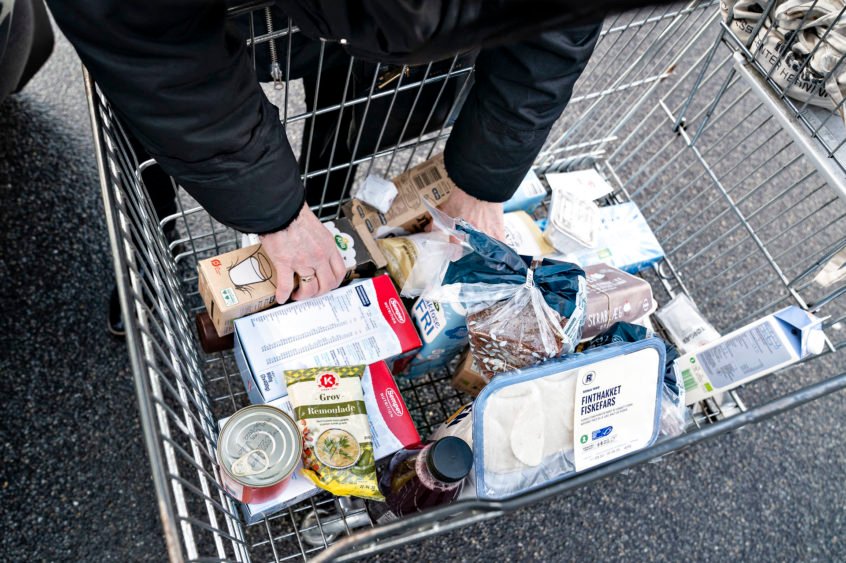
The price of food and non-alcoholic drinks was 15.9 percent higher in August than it was in August 2021 according to Statistics Denmark.

How have people’s spending habits changed?

“People are definitely trying to buy cheaper stuff. The total amount of kroner spent is continuing to rise, especially if you include travel and restaurants but people are getting less for their money. It’s not that people are buying fewer loaves of bread but the quality of that bread is going down as people buy cheaper items.”

How does Denmark compare to other countries in terms of weathering this inflation rise?

“We’re better off than countries to the south because we use less gas. The average household in Denmark was also financially robust to start off with; we were not as damaged by the pandemic as other countries.”

How much has the cost of living risen for an average household in Denmark?

“For a family with two adults and one or more children, the annual cost of living has gone up by around 60,000 kroner compared to a year ago. Incomes are also rising so it doesn’t feel quite as bad as that. Read More...

Previous Post

How Chatbots Modernize Educational Institutes

Next Post

Fakta supermarket chain to disappear from Danish streets

Comments