Home Upload Photo Upload Videos Write a Blog Analytics Messaging Streaming Create Adverts Creators Program
Bebuzee Afghanistan Bebuzee Albania Bebuzee Algeria Bebuzee Andorra Bebuzee Angola Bebuzee Antigua and Barbuda Bebuzee Argentina Bebuzee Armenia Bebuzee Australia Bebuzee Austria Bebuzee Azerbaijan Bebuzee Bahamas Bebuzee Bahrain Bebuzee Bangladesh Bebuzee Barbados Bebuzee Belarus Bebuzee Belgium Bebuzee Belize Bebuzee Benin Bebuzee Bhutan Bebuzee Bolivia Bebuzee Bosnia and Herzegovina Bebuzee Botswana Bebuzee Brazil Bebuzee Brunei Bebuzee Bulgaria Bebuzee Burkina Faso Bebuzee Burundi Bebuzee Cabo Verde Bebuzee Cambodia Bebuzee Cameroon Bebuzee Canada Bebuzee Central African Republic Bebuzee Chad Bebuzee Chile Bebuzee China Bebuzee Colombia Bebuzee Comoros Bebuzee Costa Rica Bebuzee Côte d'Ivoire Bebuzee Croatia Bebuzee Cuba Bebuzee Cyprus Bebuzee Czech Republic Bebuzee Democratic Republic of the Congo Bebuzee Denmark Bebuzee Djibouti Bebuzee Dominica Bebuzee Dominican Republic Bebuzee Ecuador Bebuzee Egypt Bebuzee El Salvador Bebuzee Equatorial Guinea Bebuzee Eritrea Bebuzee Estonia Bebuzee Eswatini Bebuzee Ethiopia Bebuzee Fiji Bebuzee Finland Bebuzee France Bebuzee Gabon Bebuzee Gambia Bebuzee Georgia Bebuzee Germany Bebuzee Ghana Bebuzee Greece Bebuzee Grenada Bebuzee Guatemala Bebuzee Guinea Bebuzee Guinea-Bissau Bebuzee Guyana Bebuzee Haiti Bebuzee Honduras Bebuzee Hong Kong Bebuzee Hungary Bebuzee Iceland Bebuzee India Bebuzee Indonesia Bebuzee Iran Bebuzee Iraq Bebuzee Ireland Bebuzee Israel Bebuzee Italy Bebuzee Jamaica Bebuzee Japan Bebuzee Jordan Bebuzee Kazakhstan Bebuzee Kenya Bebuzee Kiribati Bebuzee Kuwait Bebuzee Kyrgyzstan Bebuzee Laos Bebuzee Latvia Bebuzee Lebanon Bebuzee Lesotho Bebuzee Liberia Bebuzee Libya Bebuzee Liechtenstein Bebuzee Lithuania Bebuzee Luxembourg Bebuzee Madagascar Bebuzee Malawi Bebuzee Malaysia Bebuzee Maldives Bebuzee Mali Bebuzee Malta Bebuzee Marshall Islands Bebuzee Mauritania Bebuzee Mauritius Bebuzee Mexico Bebuzee Micronesia Bebuzee Moldova Bebuzee Monaco Bebuzee Mongolia Bebuzee Montenegro Bebuzee Morocco Bebuzee Mozambique Bebuzee Myanmar Bebuzee Namibia Bebuzee Nauru Bebuzee Nepal Bebuzee Netherlands Bebuzee New Zealand Bebuzee Nicaragua Bebuzee Niger Bebuzee Nigeria Bebuzee North Korea Bebuzee North Macedonia Bebuzee Norway Bebuzee Oman Bebuzee Pakistan Bebuzee Palau Bebuzee Panama Bebuzee Papua New Guinea Bebuzee Paraguay Bebuzee Peru Bebuzee Philippines Bebuzee Poland Bebuzee Portugal Bebuzee Qatar Bebuzee Republic of the Congo Bebuzee Romania Bebuzee Russia Bebuzee Rwanda Bebuzee Saint Kitts and Nevis Bebuzee Saint Lucia Bebuzee Saint Vincent and the Grenadines Bebuzee Samoa Bebuzee San Marino Bebuzee São Tomé and Príncipe Bebuzee Saudi Arabia Bebuzee Senegal Bebuzee Serbia Bebuzee Seychelles Bebuzee Sierra Leone Bebuzee Singapore Bebuzee Slovakia Bebuzee Slovenia Bebuzee Solomon Islands Bebuzee Somalia Bebuzee South Africa Bebuzee South Korea Bebuzee South Sudan Bebuzee Spain Bebuzee Sri Lanka Bebuzee Sudan Bebuzee Suriname Bebuzee Sweden Bebuzee Switzerland Bebuzee Syria Bebuzee Taiwan Bebuzee Tajikistan Bebuzee Tanzania Bebuzee Thailand Bebuzee Timor-Leste Bebuzee Togo Bebuzee Tonga Bebuzee Trinidad and Tobago Bebuzee Tunisia Bebuzee Turkey Bebuzee Turkmenistan Bebuzee Tuvalu Bebuzee Uganda Bebuzee Ukraine Bebuzee United Arab Emirates Bebuzee United Kingdom Bebuzee Uruguay Bebuzee Uzbekistan Bebuzee Vanuatu Bebuzee Venezuela Bebuzee Vietnam Bebuzee World Wide Bebuzee Yemen Bebuzee Zambia Bebuzee Zimbabwe
Blog Image

'Extinct' Angelshark Returns to Adriatic

Three years ago, shoppers at the fish market at Zagreb's Dolac open-air farmers market noticed a baby Angelshark, which made conservations both excited and worried.

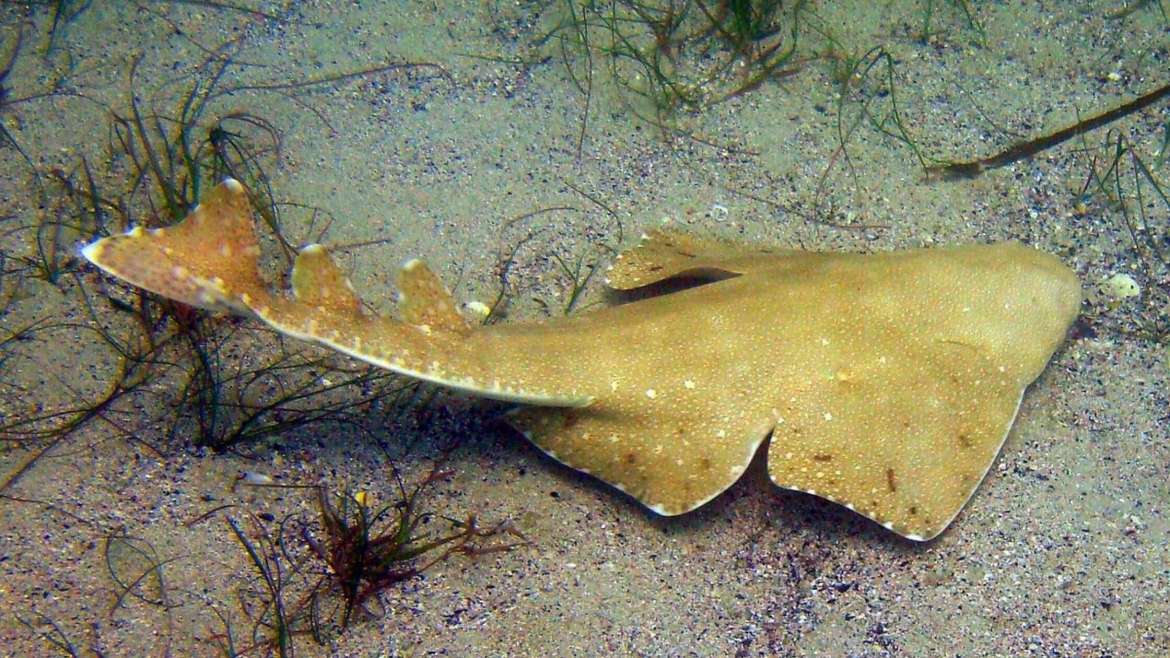
The Angelshark is one of the calmest and most endangered shark species, considered to be nearly extinct in the Adriatic.

The juvenile Angelshark at Zagreb's Dolac market "indicated that there exists a breeding population", however, it was worrying that "an endangered and strictly protected species was offered for sale," said Pero Ugarković, an associate on a research project on Angelsharks in the Adriatic.

After that discovery, a research was launched to establish how many Angelsharks currently live in the Adriatic.

The project was headed by the WWF Adria non-profit organisation, in cooperation with the Split-based Institute of Oceanography and Fisheries.

Its results show that the Angelshark population, once inhabiting the whole of the Adriatic, has shrunk dramatically and now mostly inhabits the area around the island of Molat in the Zadar archipelago.

Minding its own business

The Angelshark resembles the skate and is a master of camouflage. It buries itself in sediment and ambushes its prey, and can grow to be more than a metre and a half long. It lives in the Mediterranean and East Atlantic but is critically endangered in all of its habitats.

More than 30 shark species have so far been recorded in the Adriatic, and almost all are innocuous to humans. The size of the Angelshark population in the Adriatic was once significant, with fishermen even using nets designed specifically for Angelsharks.

This has not been the case for decades now, and footage of Angelsharks being caught accidentally and returned to the sea, occasionally posted on social networks, gives rise to hope that the Angelshark will survive.

The species grows slowly, reaches reproductive age late in life and has a small litter, therefore making it very vulnerable to fishing pressures. On top of that, it inhabits shallow coastal waters where fishing is very intense. After it was declared a protected species, the Angelshark went from being a target species, to a bycatch.

Patrik Krstinić, an associate for sea and marine biodiversity protection at WWF Adria, warns that fishing with trawl nets and gillnets poses the biggest threat to the Angelshark. He believes that the Angelshark is unlikely to survive with the existing pressure of fishing in Croatia's coastal area.

Krstinić says that maritime spatial planning is necessary and that currently 30% of the sea should be put under protection until 2030, of which 10% should be strictly protected, with no fishing activity allowed, citing that the Jabuka Pit as a good example.

Deficient legal regulations are the problem, he says, noting that they make it possible for an area to be put under protection, yet some are allowed to fish in it. Read More...

Previous Post

10 injured as police charges baton on hartal supporters in N'ganj

Next Post

Prague's new bridge could be named after Madeleine Albright

Comments