Family Lifestyle Photography vs. Traditional Photography
-
 Loading...
 - Katrien Vliet
- 28 Feb 2025
- 33 Views
- 0 Like
- 0 Comment
When it comes to capturing family moments, two popular styles often come into play: family lifestyle photography and traditional photography. Each approach has its unique characteristics, benefits, and aesthetic qualities, making them suitable for different preferences and occasions. Here’s a closer look at the differences between the two styles.
Family Lifestyle Photography
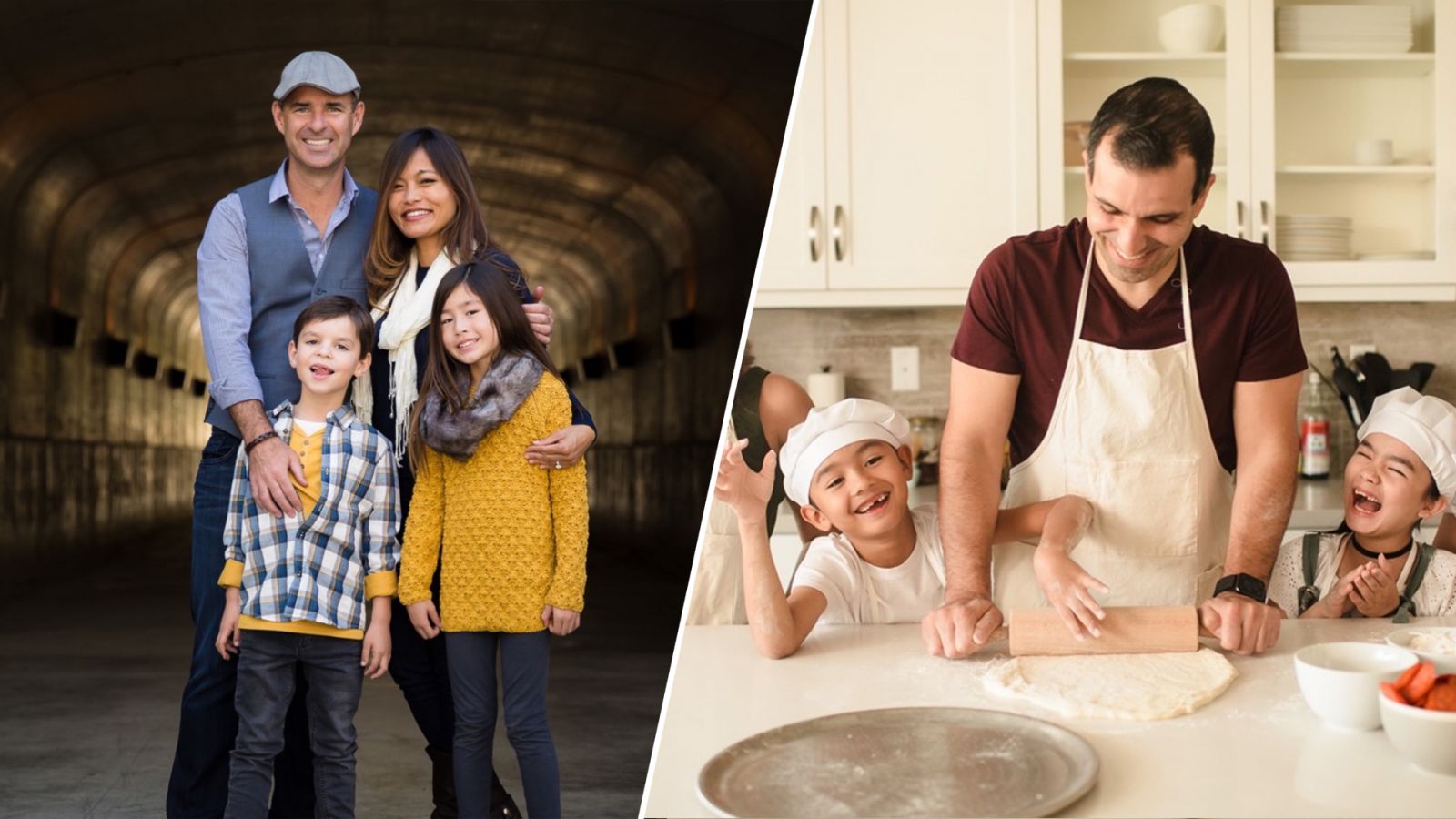
Family lifestyle photography focuses on capturing candid moments and the natural interactions between family members. This style emphasizes authenticity and storytelling, often taking place in familiar environments such as homes, parks, or favorite family spots.

Key Features:
- Candid Moments: Lifestyle photography aims to document genuine emotions and interactions, allowing families to be themselves without the pressure of posed shots. This results in images that feel more personal and relatable.
- Natural Settings: Photographers often choose locations that hold significance for the family, creating a comfortable atmosphere that encourages spontaneity. This could be a backyard, a local park, or even a cozy living room.
- Storytelling: The focus is on telling a story through images, capturing the essence of family life. This might include activities like playing games, cooking together, or simply enjoying each other’s company.
- Casual Posing: While some direction may be given, the posing is generally more relaxed and informal. Photographers may encourage families to interact naturally, leading to more dynamic and engaging images.
Traditional Photography
Traditional photography, on the other hand, often involves posed portraits and formal settings. This style is characterized by its structured approach, focusing on creating classic, timeless images that highlight the subjects in a more formal manner.

Key Features:
- Posed Shots: Traditional photography typically involves more directed poses, where families are arranged in specific ways to achieve a polished look. This can include formal group shots or individual portraits.
- Studio or Formal Settings: Many traditional photographers work in studios or designated locations that provide controlled lighting and backdrops. This allows for a consistent and professional appearance in the images.
- Timeless Aesthetic: The goal is often to create classic images that stand the test of time. Traditional photography may emphasize formal attire and classic poses, resulting in elegant and refined portraits.
- Less Spontaneity: While traditional photography can capture beautiful moments, it may lack the spontaneity and authenticity found in lifestyle photography. The focus is more on the final product rather than the process of capturing genuine interactions.
Choosing the Right Style
The choice between family lifestyle photography and traditional photography ultimately depends on personal preferences and the desired outcome.
Lifestyle Photography is ideal for families looking to capture genuine moments and the essence of their daily lives. It’s perfect for those who want a relaxed, informal session that reflects their unique family dynamics.
Traditional Photography is suited for families seeking classic portraits that can be displayed in homes or shared during special occasions. It’s a great option for formal events, milestone celebrations, or when a polished look is desired.
In conclusion, both family lifestyle photography and traditional photography offer valuable ways to capture family memories. Understanding the differences between the two styles can help families choose the approach that best aligns with their vision and preferences, ensuring that their cherished moments are beautifully preserved.