FG Hints at New National Carrier, May Jettison Nigeria Air/Ethiopian Airlines Pact
-
 Loading...
 - Rukayat Alli
- 09 Jan 2025
- 126 Views
- 0 Like
- 0 Comment
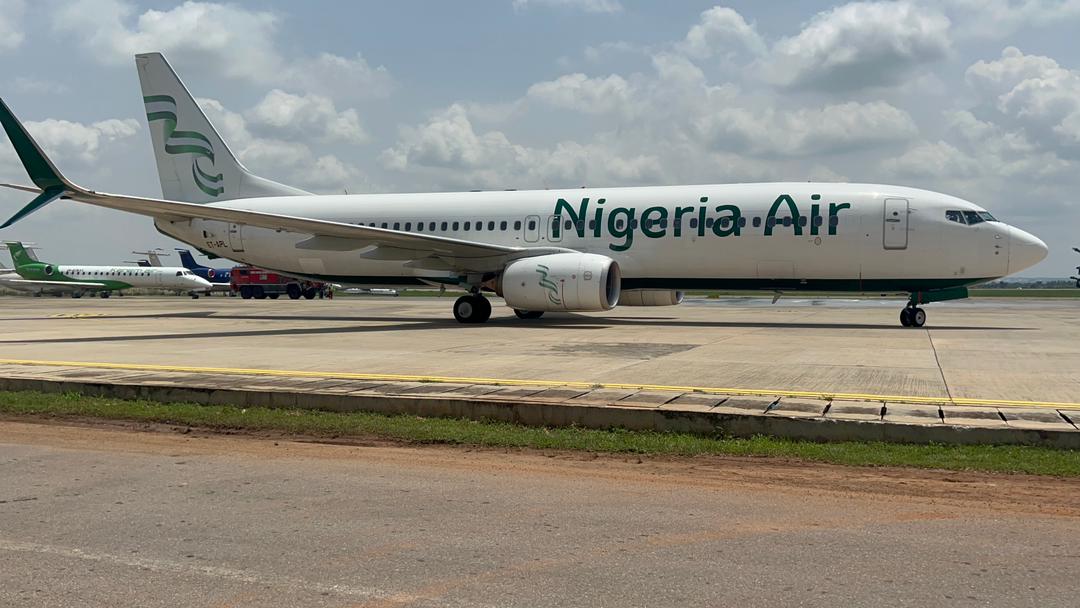
The federal government of Nigeria is signaling a potential revival of efforts to establish a national carrier, following the suspension of the Nigeria Air project. Dr. Ibrahim Abubakar Kana, the newly appointed Permanent Secretary in the Ministry of Aviation and Aerospace Development, hinted at this development while clarifying earlier comments attributed to him regarding a mandate from President Bola Ahmed Tinubu to deliver a new national carrier.
The Nigeria Air project, which was suspended by the Minister of Aviation and Aerospace Development, Festus Keyamo, upon his assumption of office in 2023, has faced significant scrutiny. Keyamo has publicly criticized the deal with Ethiopian Airlines, describing it as unfavorable for Nigeria. He expressed concerns that the agreement effectively allowed a foreign government to take control of Nigeria's national carrier, stating, “What it simply says is that a foreign government should come and take over our national carrier.”
Keyamo's remarks highlighted the implications of the deal, suggesting that Ethiopian Airlines, as a major shareholder, would benefit disproportionately from Nigeria's Bilateral Air Service Agreement (BASA) routes. He emphasized that Nigeria should not allow itself to be compared to smaller nations like Togo, which have entered similar agreements.
Stakeholders and industry analysts have raised alarms over the repeated failures to establish a national carrier since the dissolution of Nigeria Airways in 2004. Despite significant financial investments, including claims of N85 billion spent on the Nigeria Air project, former Minister Hadi Sirika clarified that only about N3 billion was actually expended, primarily on operational costs and consultancy fees.
The history of attempts to revive a national carrier has been fraught with challenges, with various aviation ministers over the years failing to deliver a sustainable solution. This has led to skepticism regarding the government's commitment to establishing a viable national airline.
In response to the mixed reactions generated by his earlier comments, Dr. Kana clarified that he did not receive a specific mandate to revive the Nigeria Air deal with Ethiopian Airlines. Instead, he referred to the broader vision of the Tinubu administration to consider a national carrier project if it aligns with the country's interests. He expressed his commitment to working closely with Minister Keyamo to advance the ministry's agenda.
Aviation analyst Group Capt. John Ojikutu suggested that rather than establishing a single national carrier, the government should consider creating two flag carriers: one for regional and continental flights and another for intercontinental routes. He proposed that Arik Air and Aero Contractors could serve as the regional-continental carrier, while Air Peace and Ibom Air could handle intercontinental operations.
Ojikutu emphasized the need for foreign technical partners and investors, but cautioned against involving competitors on the BASA routes. He recommended a structure where foreign and local investors would not exceed 30% ownership, with the federal government and states holding 12%, the public through the Nigerian Stock Market holding 28%, and the remaining 40% allocated to the airlines themselves.
As the federal government hints at a renewed focus on establishing a national carrier, the aviation sector remains watchful for developments. The complexities surrounding the Nigeria Air project and the deal with Ethiopian Airlines highlight the challenges ahead. Stakeholders are eager for a clear and sustainable strategy that prioritizes Nigeria's interests while fostering a competitive and efficient aviation industry. The upcoming decisions will be crucial in shaping the future of air travel in Nigeria.