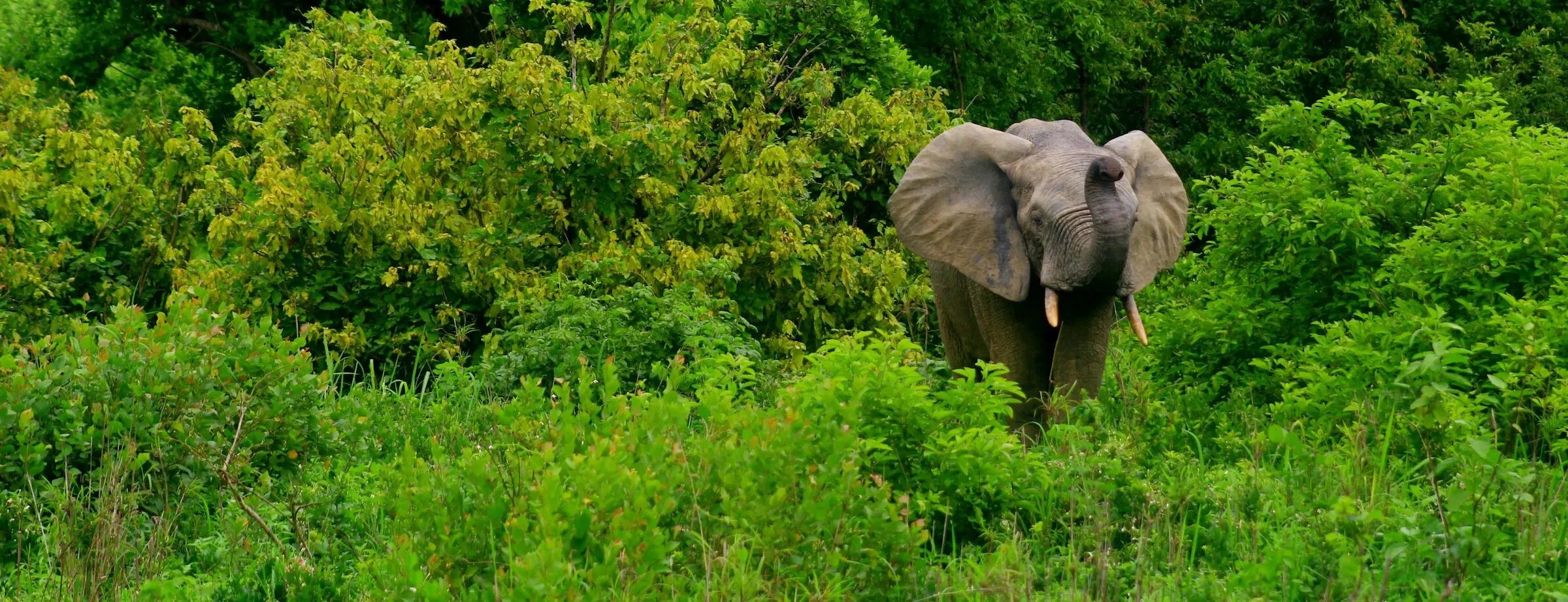
Fieldwork diary: Western Wildlife Corridor, Northern Ghana
-
 Loading...
 - Bianca Adane
- 24 Oct 2022
- 78 Views
- 0 Like
- 0 Comment
After months of travel restrictions imposed by the COVID-19 pandemic, I was finally able to travel again, spending almost a full year in the field. It was a pleasure to be able to visit my study site in northern Ghana and start collecting data for my PhD. Following all the travel requirements, formalities and preparations, I found myself in the iconic Western Wildlife Corridor, full of enthusiasm and ready to discover this landscape and its actors.
But to do so, I needed the support of a research assistant who knew the area well. Very quickly, through a former colleague from the Center for International Forestry Research (CIFOR), I met Kenneth Afagachie with whom I would be linked for the rest of my adventure as a young researcher.
My research activities, conducted as part of the COLANDS initiative (Collaborating to Operationalize Landscape Approaches for Nature, Development and Sustainability), were organized in three steps.

Step 1: Scoping study and contact with stakeholders
Fieldwork in the Western Wildlife Corridor landscape, which is organized in Community Resource Management Areas (CREMAs), started in early 2021 with a scoping study during which institutional actors, CREMA leaders and local communities were met or contacted so that I could present the research objectives and prepare for the data collection. Then, field observation allowed me to discover the beauty of the Corridor: a vast expanse of trees stretching as far as the eye can see with multiple land-use activities therein. This combination of greenery, wildlife and human warmth was quite unique, in my experience. Read More...