FIFA claims biennial World Cup plans would generate billions in revenue
-
 Loading...
 - Christina Edward
- 21 Dec 2021
- 430 Views
- 0 Like
- 0 Comment
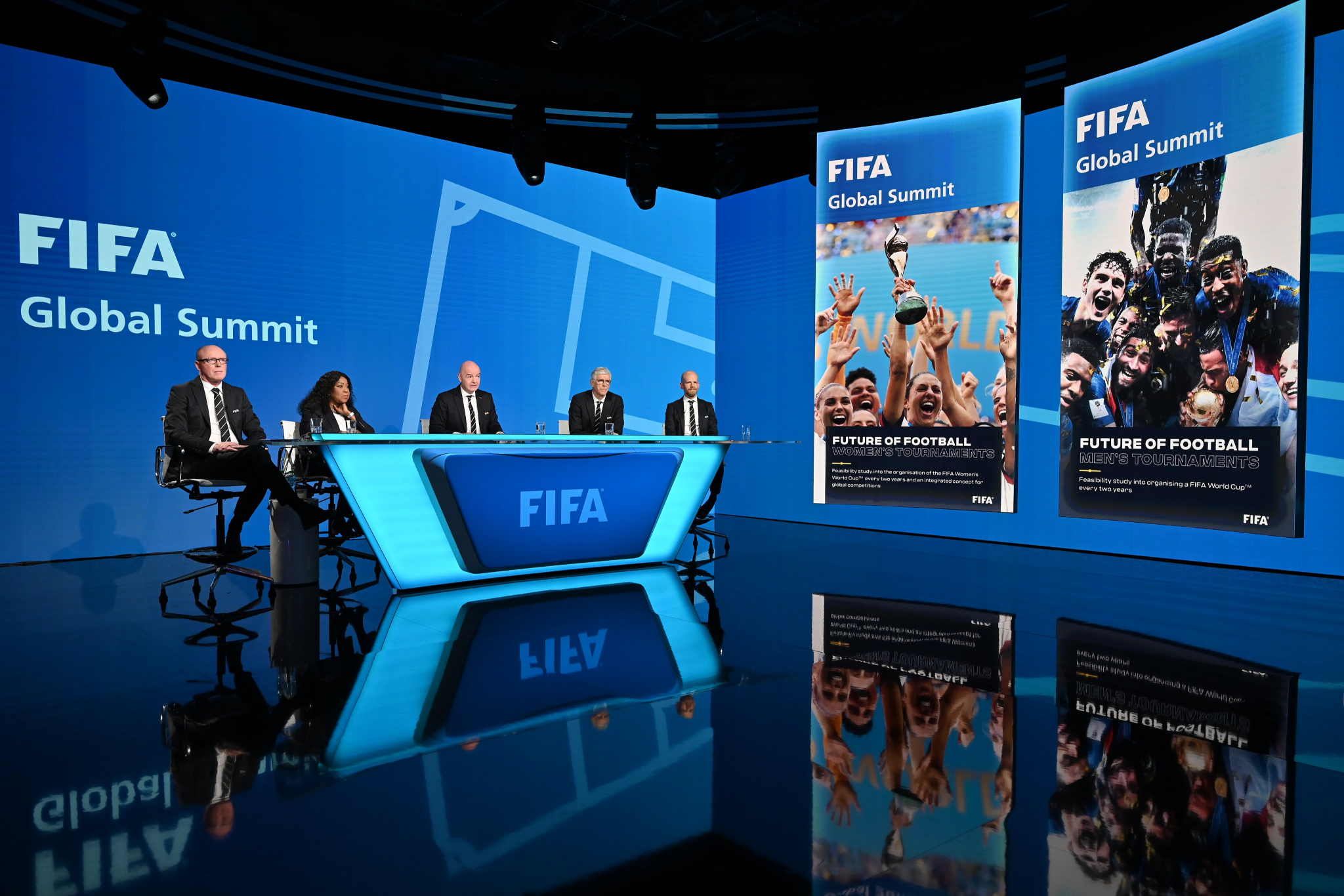
FIFA said it presented a 700-page report to 207 of the governing body’s 210 eligible members regarding the future match calendar.
A proposed biennial FIFA World Cup has been the key discussion point, with the FIFA Congress having approved a feasibility study in May.
FIFA says the feasibility studies produced by Nielsen and OpenEconomics would deliver significant increases in revenue, which would then be redistributed to member associations.
"We have been advised by independent experts that a switch to a biennial FIFA World Cup would provide a combined additional $4.4 billion (£3.3 billion/€3.9 billion) in revenue from the first four-year cycle, with these funds being distributed across our 211 member associations," said Gianni Infantino, FIFA President.
"This additional revenue would allow solidarity funding to move from the current level of $6 million (£4.5 million/€5.3 million) per cycle to up to potentially $25 million (£19 million/€22 million) on average per FIFA member association in the first four-year cycle, with the actual distribution being subject to FIFA’s governance principles."
FIFA said a solidarity fund of $3.5 billion (£2.6 billion/€3.1 billion) would be distributed, which the governing body says would also have capacity to mitigate against shortfalls made by calendar changes.
It is also claimed the FIFA’s Forward programme would see an increase of 50 per cent in distributions to member associations, amounting to $9 million (£6.8 million/€8 million) per cycle.
Nielsen research reportedly claimed confederations switching their men’s final tournaments to a biennial cycle would provide a boost of $6.6 billion (£5 billion/€5.8 billion) in the first four-year cycle.
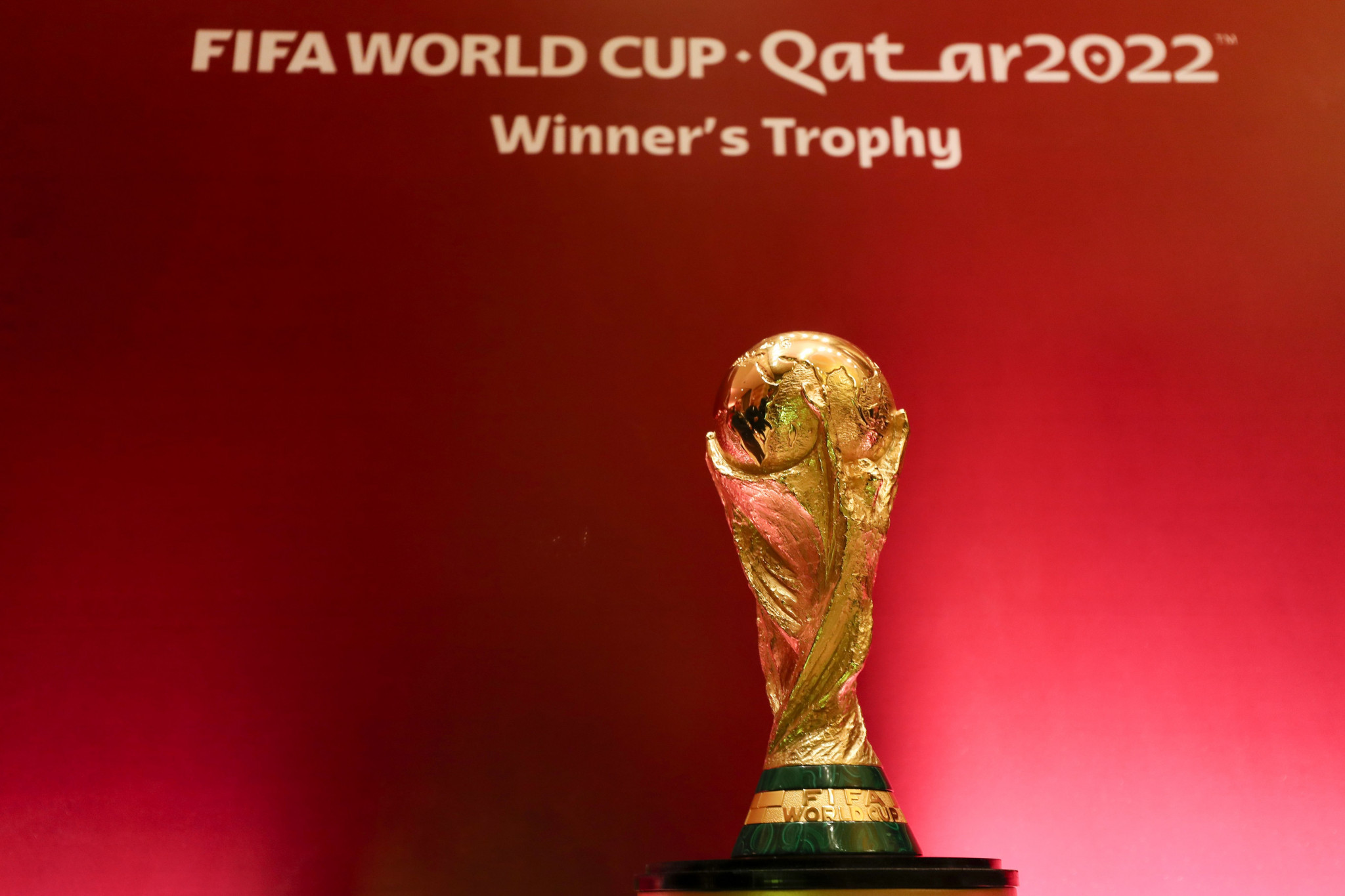
OpenEconomics suggested a biennial FIFA Men’s World Cup could deliver a gross domestic product gain of more than $180 billion (£136 billion/€160 million) over a 16-year period, while generating two million full-time jobs.
European football’s governing body UEFA is among the fiercest opponents of the biennial FIFA World Cup proposal.
UEFA said a study by consultancy firm Oliver and Ohlbaum could cost European federations €2.5 billion (£2.1 billion/$2.8 billion) in a four-period cycle.
The organisation said the study presented a "deeply negative outlook for European national team football" if the proposals went ahead.
The South American Football Confederation (CONMEBOL), which strengthened its close ties with UEFA last week, previously claimed its members would not participate in a biennial FIFA World Cup.
The Confederation of African Football declared its support in favour of changing the cycle.
Confederation of North, Central America and Caribbean Association Football, Asian Football Confederation and Oceania Football Confederation have all welcomed the opening of a consultation process.
The International Olympic Committee has expressed concerns over proposed changes. Read More…