Filipino Beef Tapa

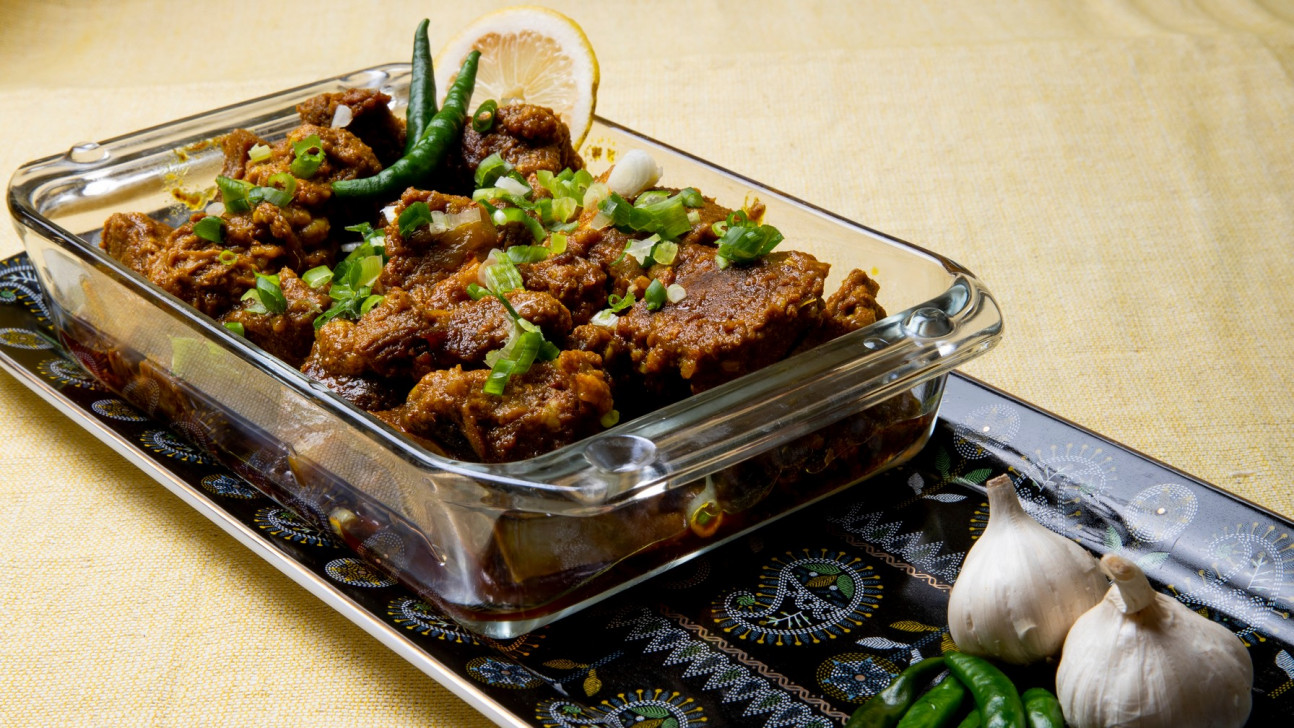
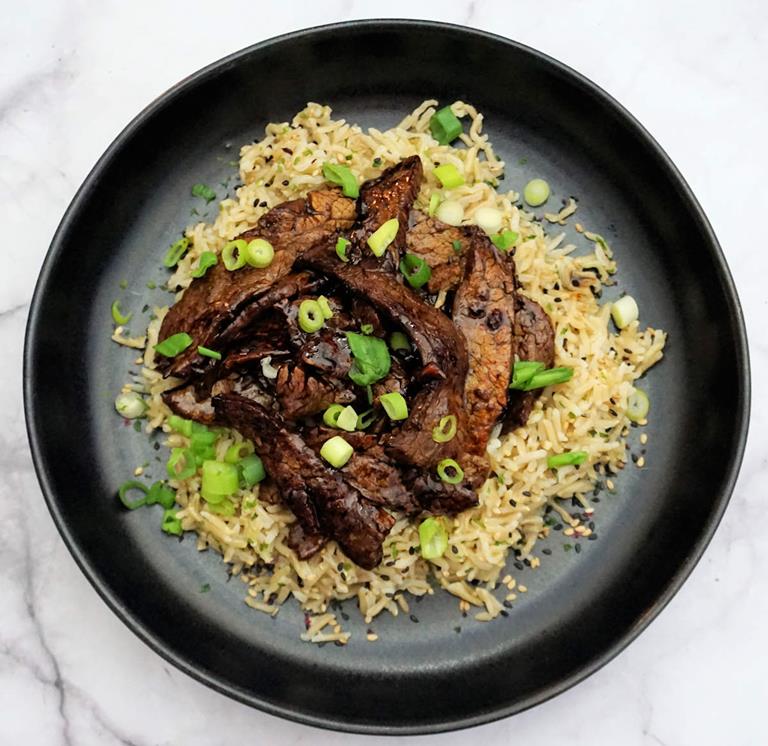
Warning: this isn’t Spanish tapas if that’s what you have come in search for, but it’s totally worth reading on. Filipino tapa is marinated beef strips, stir fried and served as part of a breakfast dish of tapsilog.
Tapa is not tapas
I know, I know. Everybody stumbling upon this recipe will be completely confused because it sounds and looks nothing like patatas bravas or gambas al ajillo, let alone padron peppers. But if you should wander in here in search of a much less sought-after, nonetheless worth searching Filipino beef tapa, you’ve come to the right place.
Tapa means smoked or cured meat and apart from beef it can be made with mutton, horsemeat, water buffalo, or goat. It obviously goes back to pre-refrigeration times as salting or marinating and smoking meat was a form of preserving it. These days the preservation focus is gone and marinating sliced meat aims to tenderise and flavour it.
What is tapa, then?
Tapa is part of a Filipino breakfast set of dishes called tapsilog. Apart from sounding wonderfully like a serious medication, it’s a portmanteau word combining tapa – fried beef, sinangag - garlic fried rice and itlog - egg. If you serve just rice and egg, it’s silog.
Any meat components other than beef make it into tosilog (with pork), bangsilog (fish) and even Spamsilog or chiksilog! What a wonderful compact, concise and meaningful language!
Although truth be told, it is a neologism created in 1980s by Vivian Del Rosario, owner of a budget eatery in a parking lot in Quezon City.
Since her customers would always ask for tapa, sinangag and itlog, she figured it would be easier and quicker to call it ‘tapsilog’, and the name took off as successfully as Vivian’s business.
How to marinate beef for tapa?
As rice and egg do not make particularly exotic dishes, I focused on tapa, the beef. The recipe from Bon Appetit calls for sirloin, but I have for a long time now been a fan of bavette, the flank.
When salted in advance, seared in a hot pan and sliced thinly, it can match the best sirloin and costs less than half as much. I use it to make a Thai beef salad, I slap it on barbecue or cook it to slice cold into sandwiches. Either way it’s stunningly good.
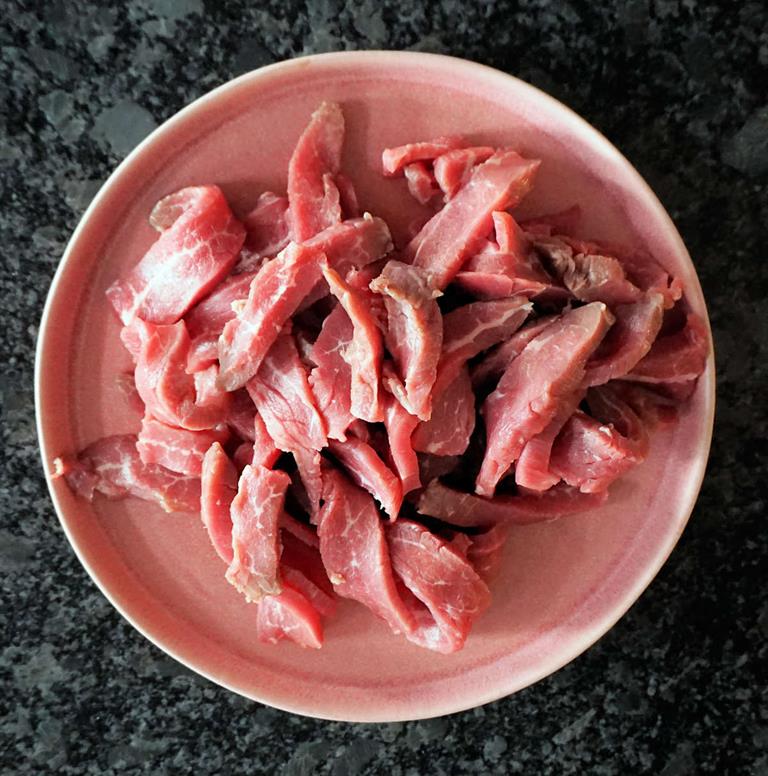
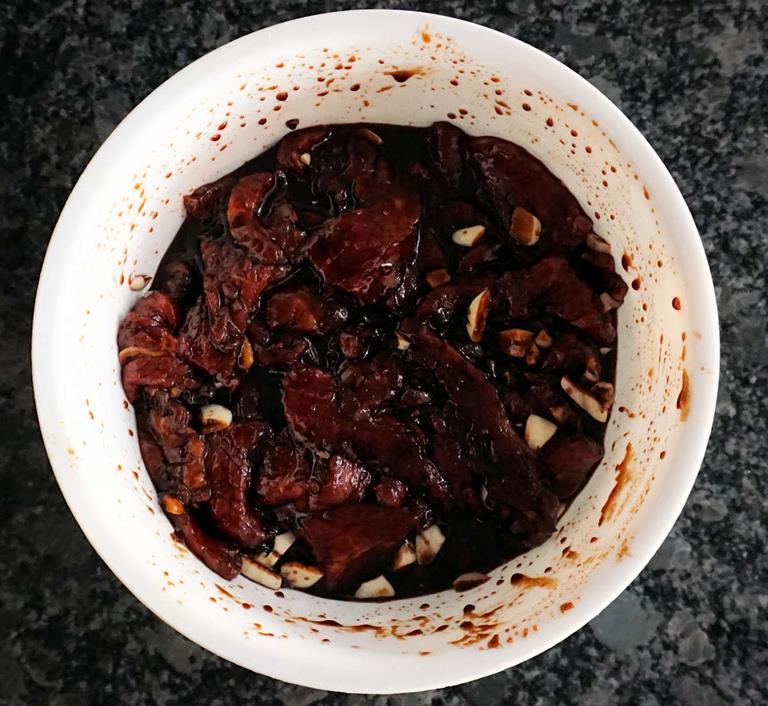
This time, for the tapa, I sliced it before cooking and dunked into a fairly classic tapa marinade. That means garlic, quite a lot of sugar, soy sauce and a dash of acid.
It is apparently not awfully prescriptive, marinade recipes being prepared in many variations, which makes me love this taster of the Filipino cooking even more.
Beef tapa tastes gorgeous
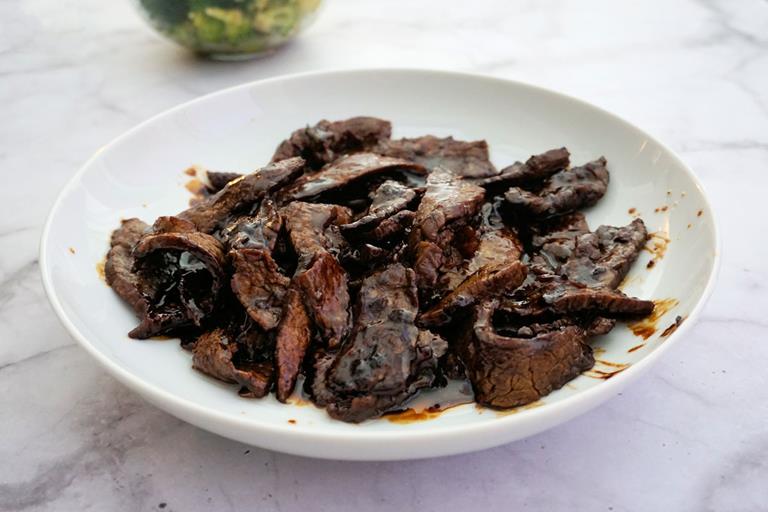
But unlike in the Asian countries to the north and west of it, Filipino beef stir fry is made after carefully draining the marinade and even scraping off garlic pieces, to avoid them burning. You then cook it in batches, keeping the meat already fried warm.
The flavour is amazing, the sweetness surprising and the meat so tender, you might be fooled into thinking it’s fillet steak.
The si- from tapsilog which should be garlic fried rice, sinangag, was swapped for somewhat leaner and lighter plain boiled rice.
What can I say? I want to discover more of the Southeast Asian cuisine immediately!
Servings: 2
Time: 30 minutes plus marinating
INGREDIENTS
· 300g (10 oz.) beef rump or flank (bavette)
· 4 garlic cloves, coarsely chopped
· 40g (3 tbsp.) dark brown sugar
· 3 tbsp. dark soy sauce
· 2 tsp. rice vinegar
· 2 tsp. corn flour
· 1⁄2 tsp. red pepper flakes
· 1⁄2 tsp. freshly ground black pepper
· 1⁄4 tsp. fine sea salt
· 3 tbsp. vegetable oil
· For the rice:
· 120g (2⁄3 cup) brown rice
· 1 tsp. salt
· 1 tbsp. butter
· 3 spring onions
METHOD
1. Slice the meat thinly against the grain into bite-sized strips.
2. Stir together the garlic, sugar, soy sauce, rice vinegar, corn flour, pepper flakes, black pepper and salt in a bowl. Add the beef and toss in the marinade. Chill for at least 6 hours and up to overnight.
3. For the rice, bring a pan of salted water to the boil. Add the rice and cook on rolling boil for 25 minutes. Drain, return to the pan, add the butter, cover with a lid and let it stand for 10 minutes. Read More…