Find the Best Oil Pastels for Landscapes, Still Lifes, and Portraits
-
 Loading...
 - Adriana Salazar
- 25 Jul 2022
- 89 Views
- 0 Like
- 0 Comment
Made from pigment mixed with nondrying oil and a wax binder, the first oil pastels were invented by the company Sakura in 1924 for use in schools. While oil pastels never caught on with educators, they interested artists—including Pablo Picasso, who collaborated with the manufacturer of art supplies Sennelier to develop a higher-quality version of Sakura’s product. Sennelier’s launch of their oil pastel in 1949 was followed Holbein’s in the 1980s and Caran d’Aches’s in the 1990s.
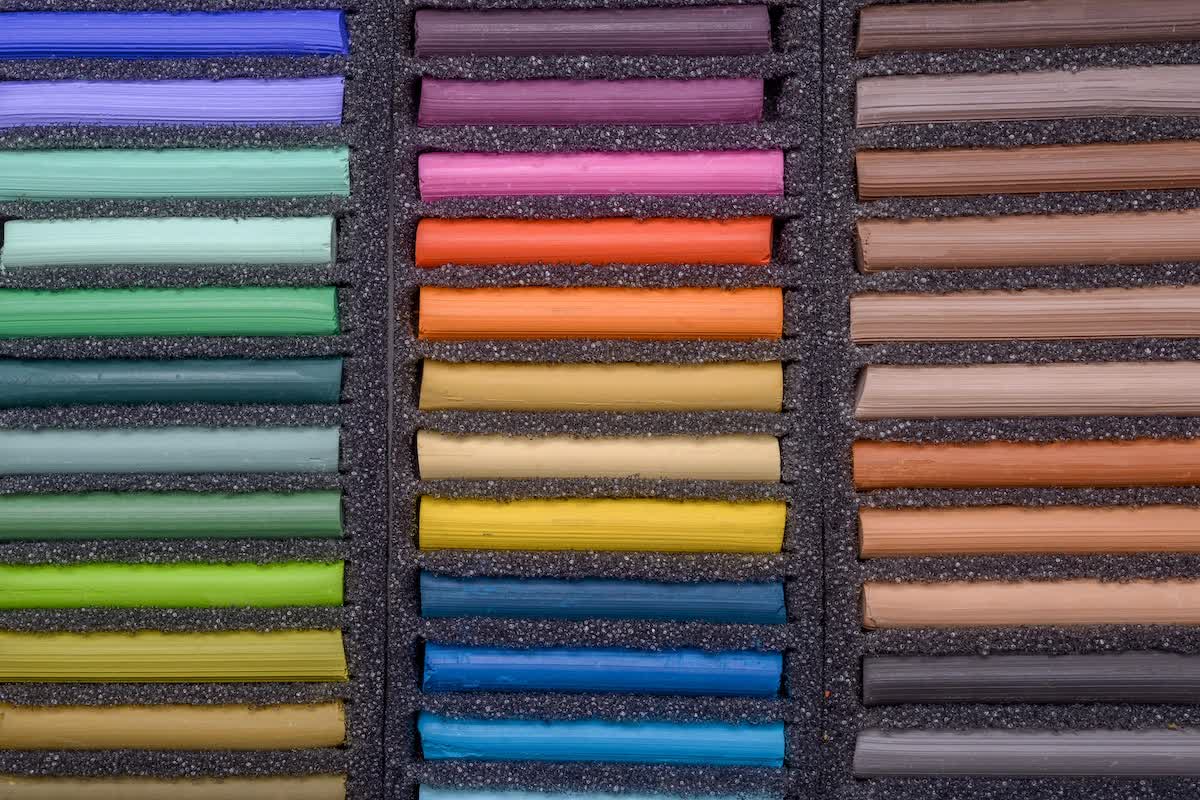
A cleaner medium than chalk pastels, but still softer and more blendable than either colored pencils or crayons, oil pastels are a great tool for both sketching and making finished pieces. Thinned with oil or solvents, they can also be used for painting. A concern with oil pastels is that they never completely dry and should ideally be treated with a fixative or framed behind glass. But they make up for that in ease of use, workability, and vivid color.
It’s tough to pick the absolute best brand, as your preference will depend largely on your subject matter and style. In fact, most artists will mix brands and fill their arsenal with colors of different firmness. A common combination, for instance, is to layer super-creamy Senneliers over slightly firmer Holbeins. Higher-grade pastels can be bought individually, so we encourage you to shop around. Here are some recommendations to get you started.
1. Sennelier Oil Pastels
Our top recommendation in this category of art materials is also the top of the line, because oil pastels tend to be fairly affordable compared to many art mediums. And, if you can afford them, Sennelier oil pastels—buttery, blendable, and with a higher pigment-to-binder ratio than any other brand—are the best you can buy. With a storied history (Picasso asked this purveyor of art supplies to make a line of oil pastels for him in the late 1940s), Sennelier remains the gold standard for oil pastels. This set comes with Sennelier’s 48 basic colors with another 24 colors suitable for specific genres, including portrait and landscape drawing. Because Sennelier’s complete range of 120 colors can also be purchased individually, this set balances economy with sufficiency. Be aware, though, that Sennelier uses top-quality pigments, including some, such as cobalts and cadmiums, that are now known to be toxic. Wash your hands after use.

2. Caran d’Ache Neopastel Oil Pastels
Somewhat less expensive, but also a great choice, Caran d’Ache oil pastels are likewise strongly pigmented and easy to blend. Slightly harder than the other top brands, Caran d’Ache pastels are also renowned for their opacity. Unlike Sennelier’s oil pastels, these are certified by the Art & Creative Materials Institute Inc. (ACMI) as nontoxic; their colors do not include cadmium, cobalt, or other mineral pigments requiring a warning under the law. As with Sennelier, you can buy Caran d’Ache oil pastels individually, but with this box of 96, you probably won’t need to.

3. Mungyo Gallery Artist’s Soft Oil Pastels
Creamy, highly pigmented, and less crumbly than student-grade brands, the Mungyo Gallery Artists’ oil pastels are professional-quality pastels at student prices. Like Caran d’Ache, they are certified nontoxic. A warning for consumers: Mungyo Gallery Artists’ Soft Oil Pastels are not the same as their student-grade Gallery Oil Pastels and the difference is not always made clear in product listings. Read More...