Finnish Music Streaming Hits Record Highs: Over 3.5 Hours Daily

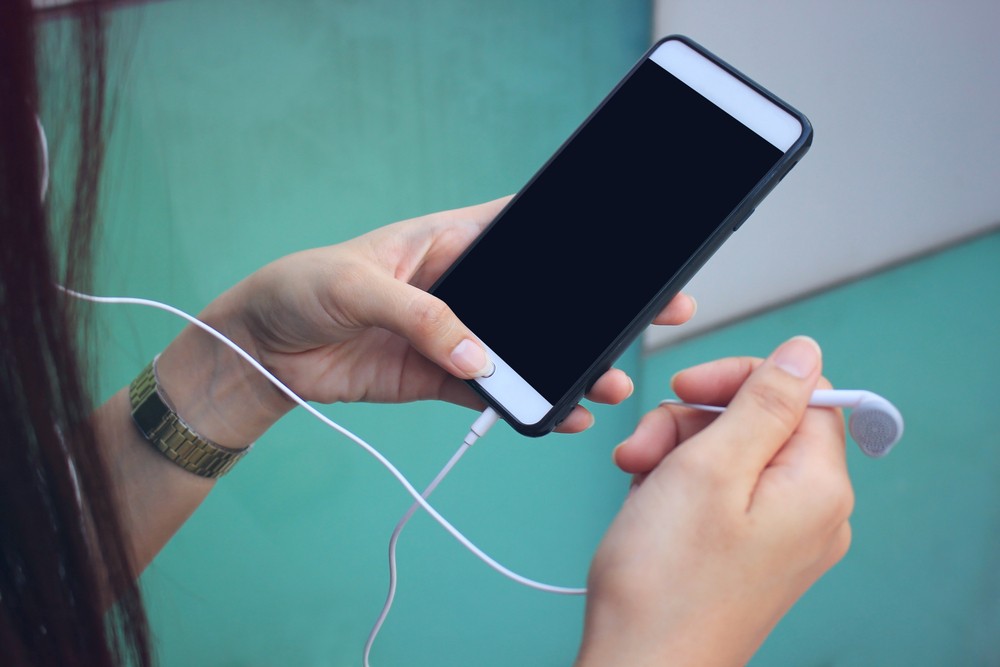
Finns are diving headfirst into the world of music streaming, clocking in an impressive average of 3.5 hours daily. This surge, a notable 30% increase over the past two years, underscores the growing appetite for digital music in Finland. The Polaris Nordic study sheds light on this trend, revealing how the landscape of music consumption is evolving rapidly in the Nordic region.
In Finland, the average daily streaming time has reached 3.5 hours. This uptick from previous years highlights a significant shift in how Finns engage with music. The convenience and vast library of streaming services seem to have struck a chord with listeners, leading to this substantial increase.
The rise in streaming isn't confined to Finland alone. The "Digital Music in the Nordics 2024" report by Teosto, TONO, and Koda indicates a broader trend across the region. While Finnish listeners average 3.5 hours of streaming daily, their Swedish neighbors top the chart at 4 hours per day. Danes, on the other hand, stream for about 3.1 hours daily, placing them at the lower end of the spectrum.
A whopping 95% of Finns aged 12-65 now use music streaming services, up from 91% in 2022. This rise mirrors a similar trend across the Nordic countries, with Denmark experiencing a significant jump from 88% to 94% in streaming service usage over two years. These numbers reflect the growing dominance of streaming platforms in everyday life.
Despite the surge in streaming, only 41% of Finns opt for premium subscriptions, the lowest in the Nordics. However, this is an improvement from 35% in 2022. In contrast, Norway leads the way, with 63% of its listeners preferring paid services. This disparity highlights different attitudes towards paying for premium features among Nordic listeners.
YouTube and Spotify reign supreme in Finland, with 78% and 60% of users respectively. This trend aligns with usage patterns in Denmark, while in Sweden and Norway, Spotify slightly edges out YouTube. Despite a 3% decline in YouTube usage, Spotify's popularity has grown by 4% across the Nordics.
Among Spotify users in Finland, 59% use the premium version, which is the lowest in the region compared to 71% in Sweden. The average daily listening time on Spotify's paid version in the Nordics has risen to 2.1 hours, up from 1.7 hours in 2022, accounting for 34% of all streaming time.
Finns are notably supportive of ethical AI development in music. Three-quarters believe AI companies should seek permission from artists before using their work for training. Additionally, 63% think streaming services should disclose if a song is AI-generated. These attitudes reflect a strong desire to protect the rights of human creators in an increasingly AI-driven world.
Markus Kaarto, Licensing Director at Teosto, emphasizes the benefits of premium streaming services. "Premium streaming services offer a high-quality music experience and significantly better compensation for creators. It’s encouraging to see more Finns investing in music quality and supporting artists," he comments. This support is crucial for sustaining the music industry and ensuring artists are fairly compensated for their work.
Finland is not only embracing streaming but also advocating for the rights of artists in the digital age. The country’s adaptation to digital music trends while maintaining a focus on ethical practices sets a positive example for the rest of the world. Finns are proving that it's possible to enjoy the benefits of modern technology while upholding the values of fairness and integrity.
The rise of music streaming in Finland, highlighted by an average of 3.5 hours of daily listening, is part of a broader trend sweeping the Nordic countries. With a significant portion of the population engaging with digital music, the future of streaming in Finland looks promising. As the industry evolves, the emphasis on ethical AI practices and support for premium services will play a crucial role in shaping the landscape. Finns are not only adapting to new technologies but also ensuring that the rights of creators are protected in this digital era.