Five Belarusian Films That Explain Life in Authoritarian Belarus
-
 Loading...
 - Malia Alter
- 17 Mar 2025
- 30 Views
- 0 Like
- 0 Comment
As Belarus marks thirty years under the authoritarian regime of Aliaksandr Lukashenka, the cultural reflections of this period remain limited. However, several filmmakers have captured the essence of life in Belarus through their documentaries, providing insight into the societal and political landscape. Here are five notable films that shed light on contemporary Belarus and its struggles:
1. An Ordinary President (1996)
Directed by Yury Khashchavatsky, this documentary was one of the first to critically examine Lukashenka's rise to power. Released just two years into his presidency, Khashchavatsky's film draws chilling parallels between Lukashenka's regime and totalitarian regimes of the past, particularly the Third Reich. Through interviews, including a revealing monologue from former interior minister Yury Zakharanka, the film highlights the oppressive methods employed by the young president. Khashchavatsky revisited the theme of Belarusian politics in later works, but none resonated as profoundly as this early critique.
2. Courage (2021)
In his debut feature, Aliaksey Paluyan chronicles the spirit of resistance among Belarusians against authoritarian rule, particularly focusing on the events of 2020. The film weaves together past uprisings from 1996, 2006, and 2010, illustrating a continuous struggle for freedom. By incorporating the work of the Belarusian Free Theater, Paluyan emphasizes the importance of remembering past protests and the sacrifices made by those who fought for change. "Courage" serves as a powerful reminder of the resilience of the Belarusian people.
3. Around Belarus on Bicycles with Engines (2017)
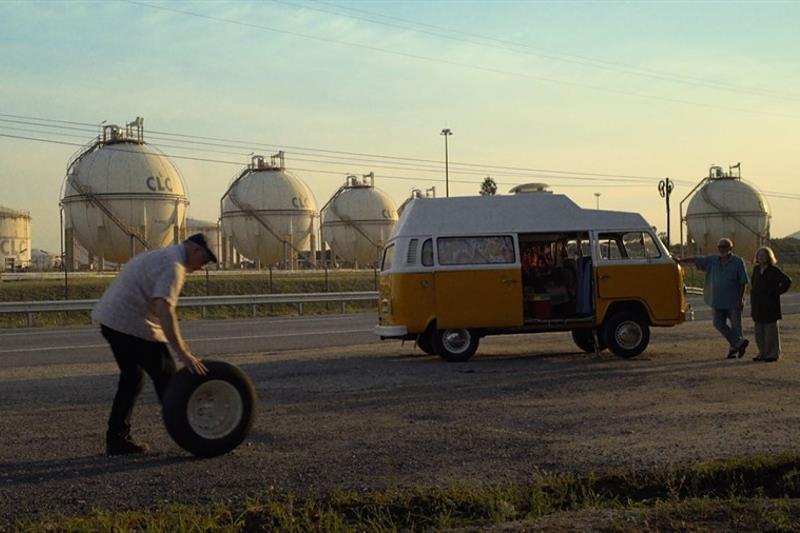
Directed by Barys Nikalaichyk, this travel documentary takes a different approach by exploring the everyday life of Belarusians without overt political commentary. Co-created with blogger Roma Svechnikau, the film captures the essence of life in the Belarusian provinces, allowing the political context to emerge organically. Its authentic portrayal of the country won it the main prize at the national "Listapad" festival, although it also drew the ire of the Ministry of Culture, leading to increased scrutiny of films shown at the festival.
4. Pure Art (2019)
Maksim Shved explores the intersection of art and societal conditions in Belarus through his documentary "Pure Art." Focusing on street art, the film showcases how artists like Zakhar Kudzin use public spaces to express dissent and creativity. Shved's work highlights the subtle forms of resistance that exist within the confines of an oppressive regime, capturing a moment in time when such expressions were still possible. The film's limited screening in Minsk marked a significant achievement for independent Belarusian cinema.
5. Motherland (2023)
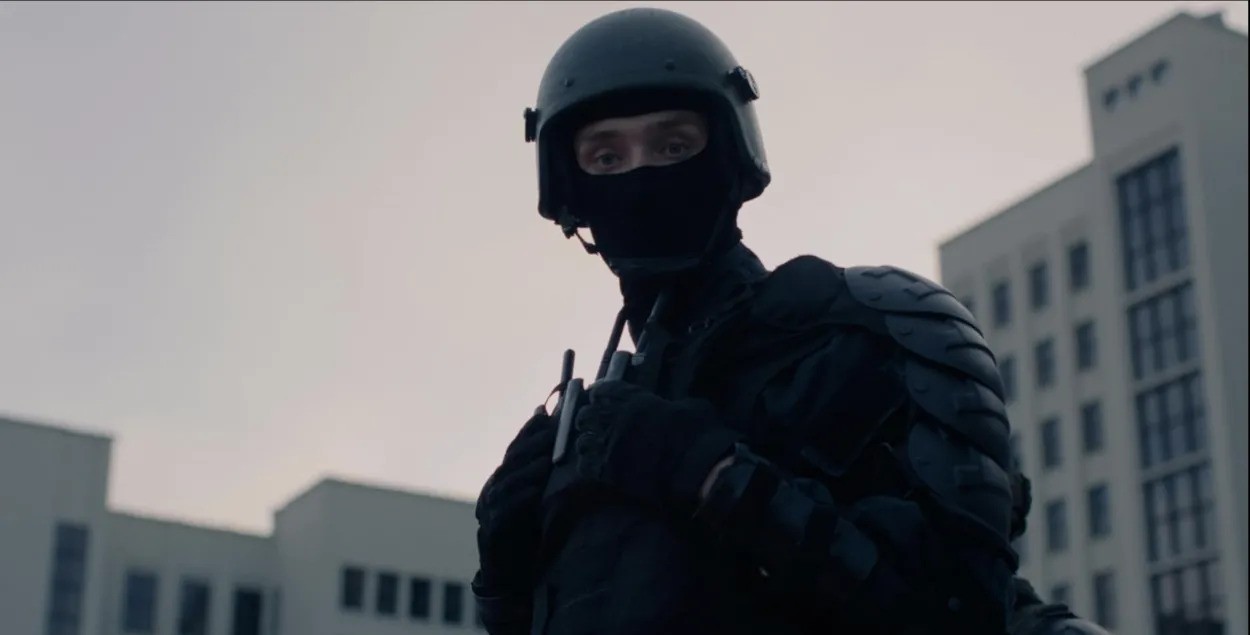
In this poignant documentary essay, Aliaksandr Mikhalkovich and Hanna Badziaka delve into the violence employed by the authorities to maintain control over Belarusian society. "Motherland" examines the collective trauma experienced by the nation, beginning with the tragic story of conscript Aliaksandr Korzhych and expanding to the broader context of state violence during the 2020 protests and the ongoing conflict in Ukraine. The film reflects on the dehumanization and sacrifices made in the name of power, offering a sobering look at the consequences of authoritarian rule.
These films collectively provide a lens through which to understand the complexities of life in Belarus under an authoritarian regime. They highlight the resilience of the Belarusian people, the importance of memory, and the ongoing struggle for freedom and expression in a challenging political landscape.