Florida just expanded school vouchers – again. Here's what it could mean for public education.
-
 Loading...
 - ellis maisie
- 24 Apr 2023
- 118 Views
- 0 Like
- 0 Comment
After seeing her daughter struggle in second, then third and fourth grades, Van McCourt-Ostrand wanted options. So, last year, the St. Petersburg mother of two applied for and received a voucher that would allow her youngest child to attend a private school in Florida.
McCourt-Ostrand, whose daughter has dyslexia, had two schools in mind, including one specializing in students with the reading-centered learning disability. She imagined her 11-year-old finally having “peers, teachers, kids who understand what she is going through.”
That hope quickly vanished. Despite school visits, including one after which her daughter declared she had “met nice kids and enjoyed her experience,” she was not admitted. McCourt-Ostrand applied to the other school, but was told, “there is no room for you at fifth grade.”
“We had a voucher and nowhere to go with it,” she said.
Even if her daughter had gotten in, she said, the voucher would have covered only about $7,000. Tuition at the first school was $20,000. It was $18,700 at the second – not including books, supplies, uniforms, tutoring and other expenses.
“I don’t know what we would have done,” said McCourt-Ostrand, “but we would have tried.”
Around the country, the political razzle-dazzle around “school choice” – giving families who enroll in the programs vouchers to spend on a range of school options as they see fit – is electrifying conservatives, grabbing public attention and becoming a GOP campaign banner. This year, states including Iowa, Utah and Arkansas have adopted universal school vouchers, which can be used like coupons for tuition, or education savings accounts (ESAs), which put money into accounts or onto debit cards for parents to use for school costs. Arizona’s Empowerment Scholarship Account, offered starting last fall, has so far enrolled over 50,000 students, many of whom were already attending private schools. Legislatures in some 30 states are considering related moves.
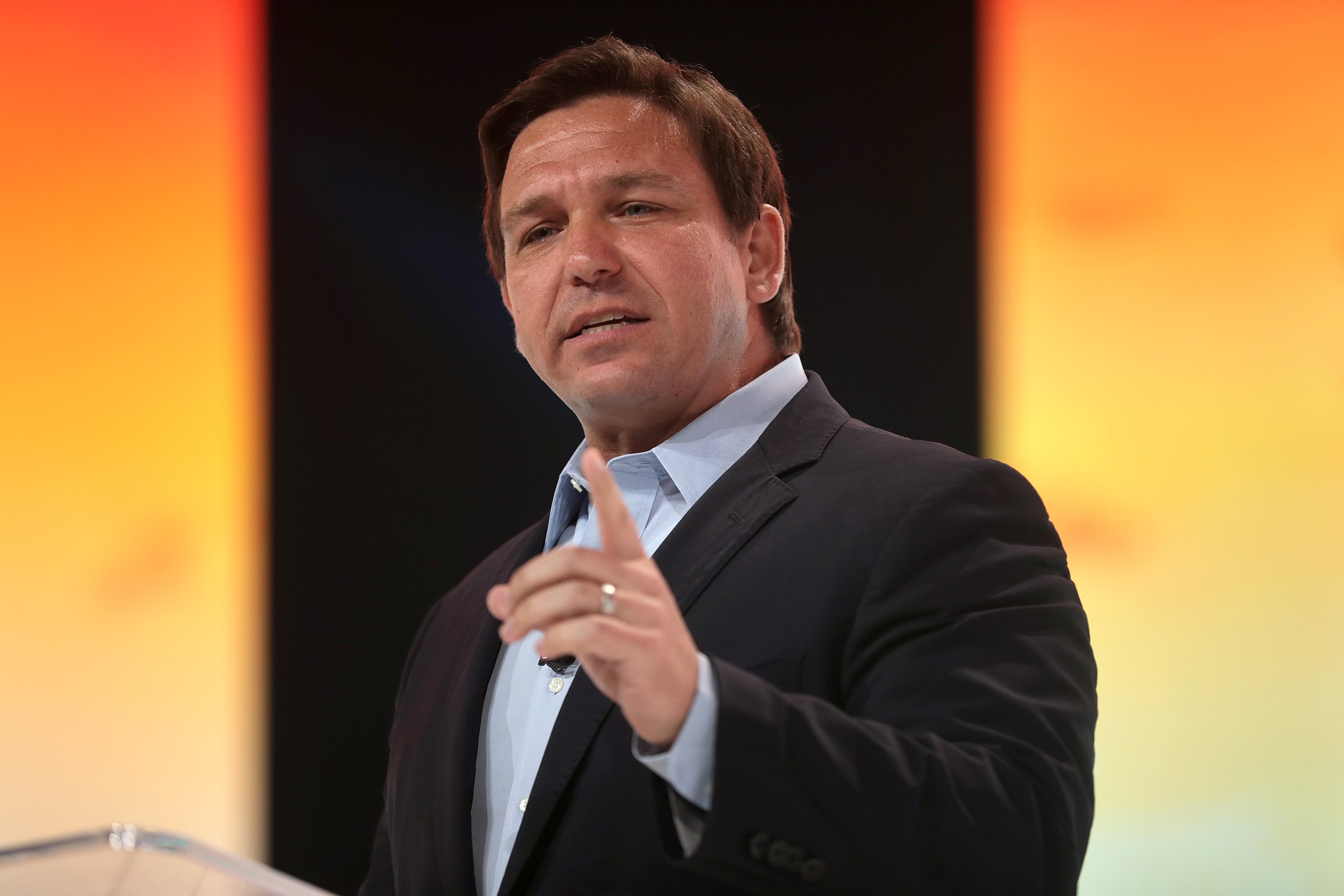
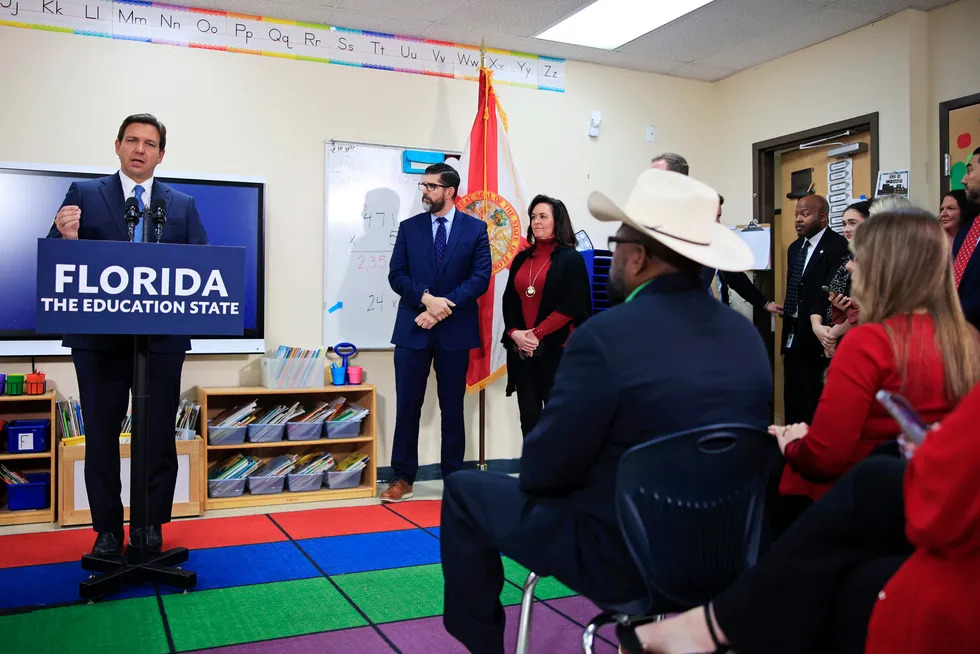
In March, Florida became the latest state to dramatically broaden access to public money for private schooling. Republican Gov. Ron DeSantis signed legislation making vouchers, worth about $8,500 each, eventually available to all K-12 students, regardless of family income (or whether a child has ever attended public school). The vouchers would also be available to home-schooled students, and the ESAs could be used to pay for expenses beyond tuition. Read More…