Follow These Tips and Never Take Boring Landscape Photos Again
-
 Loading...
 - Daley Adron
- 09 Jul 2024
- 51 Views
- 0 Like
- 0 Comment
Landscape photography is a popular genre that allows photographers to capture the beauty of nature. However, it can be challenging to take landscape photos that stand out. By following these expert tips, you can transform your landscape photography and create stunning, dynamic images that capture the essence of the scene.
Understand Your Equipment
Choosing the Right Camera and Lens
Invest in a good quality camera and lens suitable for landscape photography. A DSLR or mirrorless camera with a wide-angle lens is ideal for capturing expansive scenes. Prime lenses are great for sharpness, while zoom lenses offer flexibility.
Essential Accessories for Landscape Photography
Tripods are crucial for stability, especially in low light conditions. Filters, such as polarizers and ND filters, help manage light and enhance colors. A remote shutter release can also prevent camera shake.
Master Composition Techniques
Rule of Thirds
Divide your frame into nine equal parts using two horizontal and two vertical lines. Place key elements along these lines or at their intersections to create a balanced and engaging composition.
Leading Lines
Use natural lines, such as rivers, roads, or pathways, to guide the viewer's eye through the photo and towards the main subject. Leading lines add depth and interest to your images.
Framing and Layering
Incorporate natural frames, like trees or archways, to draw attention to the focal point. Layering different elements (foreground, midground, background) adds depth and dimension.
Use the Right Lighting
Golden Hour and Blue Hour
The golden hour (shortly after sunrise and before sunset) and blue hour (just before sunrise and after sunset) offer soft, warm light that enhances landscape photos. These times of day also produce dramatic shadows and highlights.
Managing Harsh Light
In midday sunlight, use filters to reduce glare and balance exposure. Seek out shaded areas or use backlighting to create interesting effects.
Using Filters for Better Exposure
Polarizing filters reduce reflections and enhance colors. Neutral Density (ND) filters allow for longer exposures, creating smooth water effects or capturing motion in clouds.
Incorporate Interesting Elements
Foreground, Midground, and Background
Create depth by including elements in the foreground, midground, and background. This technique leads the viewer's eye through the entire scene.
Adding a Focal Point
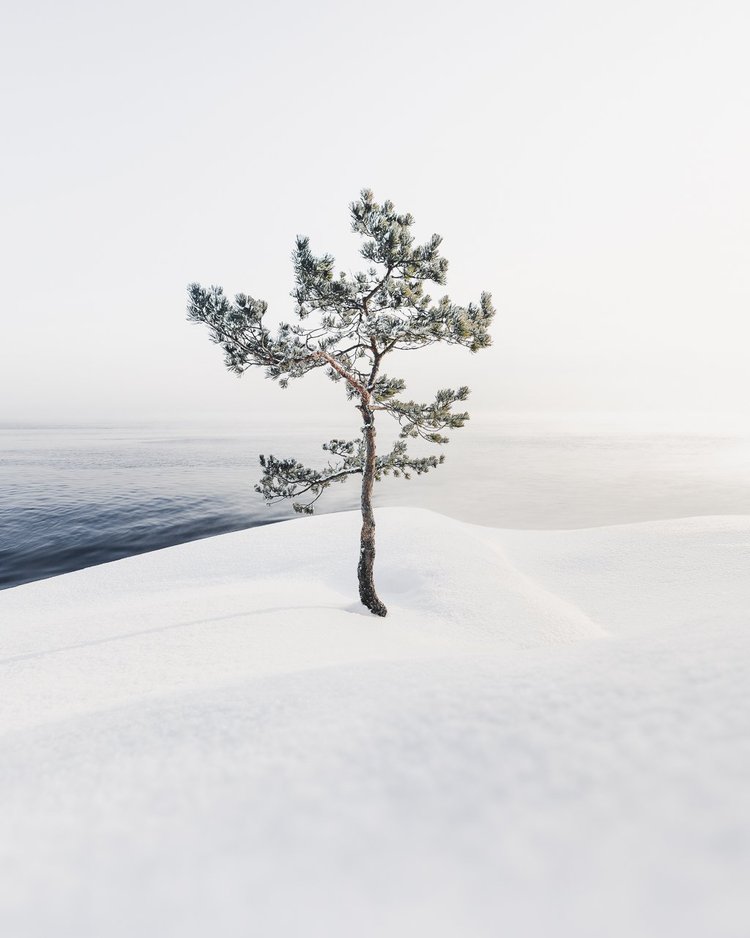
Include a clear focal point, such as a tree, rock formation, or person, to anchor the composition and add interest.
Utilizing Natural Elements
Incorporate natural elements like reflections, shadows, and textures to add variety and visual appeal to your photos.
Experiment with Different Perspectives
Changing Angles and Viewpoints
Don't just shoot from eye level. Experiment with low angles, high angles, and side perspectives to find the most compelling composition.
Using Drones for Aerial Shots
Drones provide unique aerial perspectives that showcase landscapes from above. Ensure you follow local regulations and practice safe flying.
Playing with Scale and Depth
Use objects in the foreground to create a sense of scale and depth. This can make vast landscapes feel more relatable and immersive.
Post-Processing Tips
Basic Editing Techniques
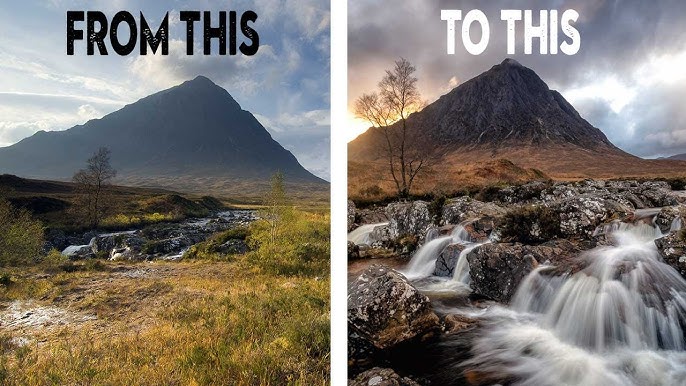
Use photo editing software to enhance your images. Adjust exposure, contrast, and saturation to bring out the best in your photos.
Enhancing Colors and Contrast
Boost colors to make the landscape more vibrant. Increase contrast to add depth and dimension to your photos.
Removing Distractions
Clone out or crop unwanted elements that distract from the main subject. This helps keep the viewer's focus on the key parts of the image.
Practice Patience and Planning
Scouting Locations
Visit potential locations in advance to find the best spots for photography. Use apps or online resources to help plan your shoots.
Timing Your Shots
Pay attention to weather conditions and natural light. Be ready to capture the perfect moment, even if it means waiting for the right conditions.
Being Prepared for Weather Changes
Weather can change quickly, especially in natural settings. Bring appropriate gear and be ready to adapt to changing conditions to get the best shots.
Landscape photography is a rewarding pursuit that requires practice, patience, and a keen eye for detail. By mastering composition techniques, understanding lighting, and experimenting with different perspectives, you can capture stunning landscape photos that stand out. Embrace these tips and explore the beauty of nature through your lens.
FAQs
What is the best time of day for landscape photography?
The best times are during the golden hour (shortly after sunrise and before sunset) and blue hour (just before sunrise and after sunset) when the light is soft and warm.
How can I improve the composition of my landscape photos?
Use techniques like the rule of thirds, leading lines, and natural framing. Include elements in the foreground, midground, and background to create depth.
What equipment do I need for landscape photography?
A good quality camera, a wide-angle lens, a sturdy tripod, and filters (polarizers, ND filters) are essential. A remote shutter release can also help prevent camera shake.
How do I edit landscape photos for the best results?
Adjust exposure, contrast, and saturation to enhance your photos. Use editing software to remove distractions and improve overall composition.
What are common mistakes to avoid in landscape photography?
Avoiding the middle of the day for shooting, not using a tripod, failing to plan your shots, and ignoring composition techniques are common mistakes.
How can I make my landscape photos unique?
Experiment with different angles, perspectives, and compositions. Incorporate interesting elements and use post-processing to enhance your images.