Four Super Simple Tips for Printing Large Photos on Canvas
-
 Loading...
 - Emerald Murphy
- 07 Oct 2022
- 63 Views
- 0 Like
- 0 Comment
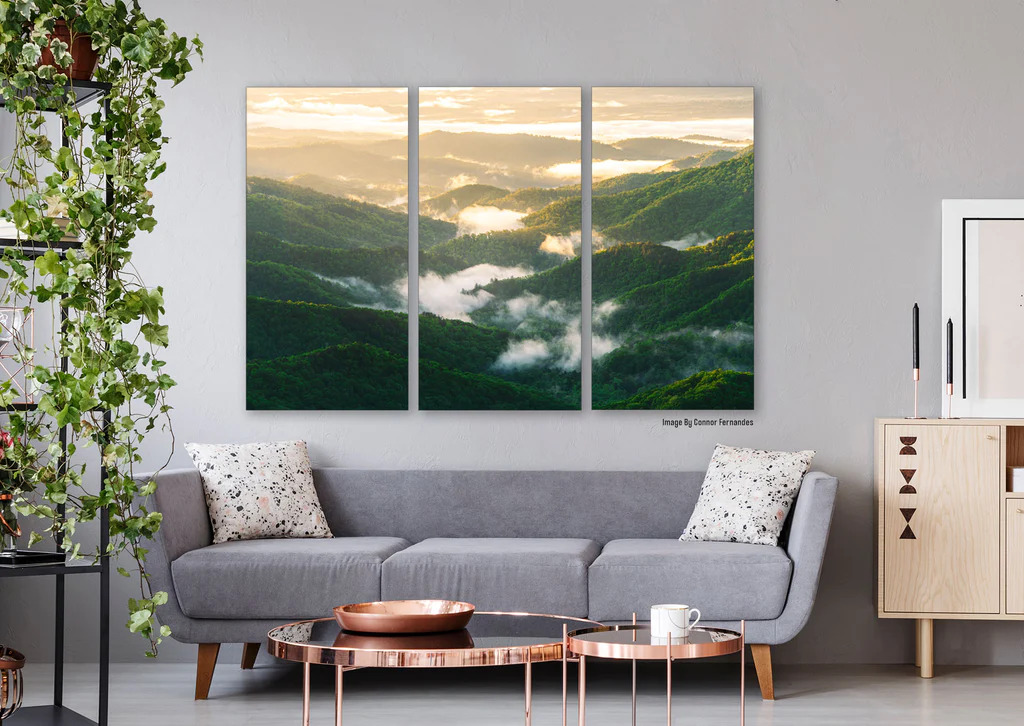
Printing large photos on canvas creates artwork that stands out and grabs attention wherever it’s displayed. If you’re selling images to your clients, either as existing art from your files or from photos you took for them, printing large photos on canvas is also an additional income stream for working professionals.
Why does printing large photos on canvas look so special, and what are some of the steps we should take to make such types of prints? Read on to find out!
Why Printing Large Photos on Canvas Grabs Attention
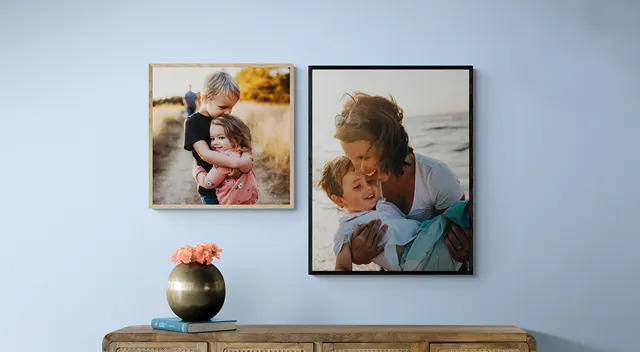
One of the top reasons why printing large photos on canvas grabs attention is that a canvas wrap of a photo image breaks with what viewers consider “normal” for a photographic image. It doesn’t matter that printing large photos on canvas is a fairly common occurrence; any photo image not on paper (or a screen) looks special!
Another reason that large canvases grab your attention is that a canvas wraps around the side of its frame, thus displaying part of the image on the side. Unless we cover that over with a frame (as shown above), that will capture a second glance.
Thirdly, large prints stand out simply due to being big! Our eyes are naturally drawn to large objects, so a large-format canvas print in our entryway immediately commands the attention of visitors.
4 Helpful Tips for Printing Large Photos on Canvas
Printing large photos on canvas is very similar to making any extra size enlargement, but there are a few specifics to consider for canvas wraps.
Capture Large Files
Just as with any large-scale image display, getting the best results out of printing large photos on canvas starts before the image is captured. A large file, preferably a RAW file, taken with properly cleaned cameras and lenses, and also captured using good focus, exposure, lighting, and camera support, will be better suited to large prints than smaller files.
Some of the factors that help us get the most out of our image files include using cameras with:
· High-resolution sensors
· High bit depths
· Various camera modes
· The ability to capture different file types
Likewise, sharp and contrasty optics without lots of lens flare are helpful, as is making sure the camera is steady enough for your subject matter and exposure speeds. Read More…