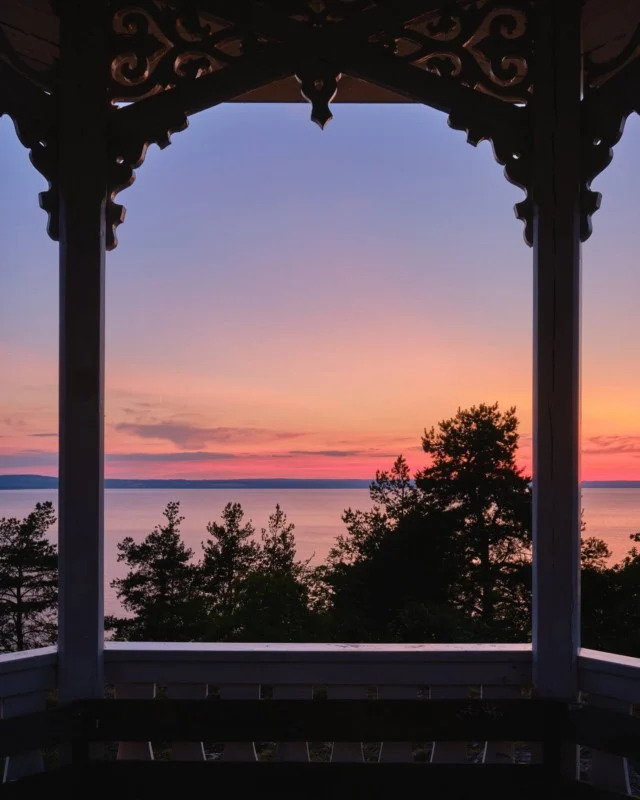
Frame Within a Frame in Landscape Photography
-
 Loading...
 - Jamila Sama
- 17 Aug 2022
- 74 Views
- 0 Like
- 0 Comment
What is the most common compositional rule in photography? Most likely your answer is the rule of thirds. Undoubtedly, this is a very powerful technique to compose an appealing photograph, but is it the only way? Of course not.
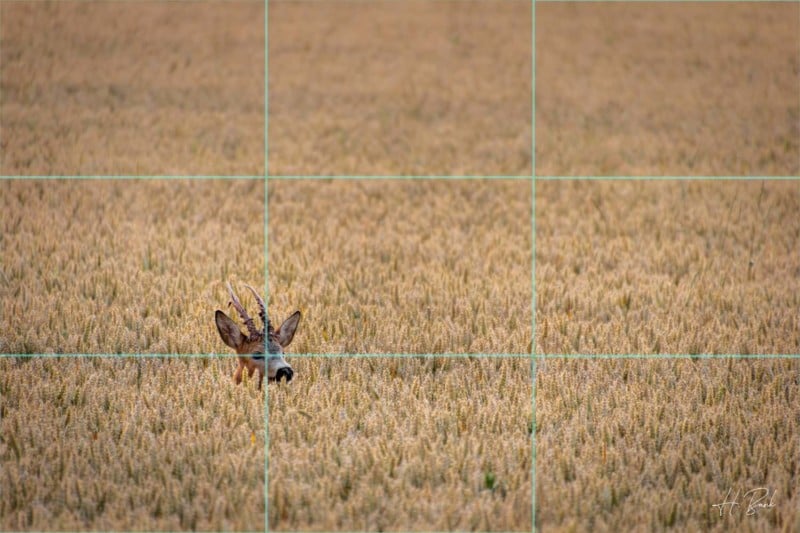
You see this rule as an overlay in most cameras and editing software, and this is sometimes the only overlay or visual guideline that you get on some devices.
If you feel you’re stuck using the overlay grid on the back of your camera that forces you to use the rule of thirds in all of your photographs, and if you are looking for an escape from this over-used technique, then this article may be just what you’re looking for.
I have been using the rule of thirds for many years and that was the only compositional tool that I knew, but that is not the case any more. I developed my skills as a photographer as soon as I learned about all the other techniques that one can use to compose an image.
Perhaps one of my favorite techniques in photography nowadays is “frame within in a frame.” This technique is simple but effective, and you can create an engaging image when you use it. You can always combine this technique with others, such as the rule of thirds, symmetry, golden ratio, and so on and so forth.
What is Frame in Frame?
When you use an element or an object in the scene as a window to look through and frame your main subject, then you have a natural frame that is inside the frame of your photograph, and therefore it is called frame in frame.
A classic example of this technique is when a photographer places his/her subject in a room and shoots from outside of the doorstep while the door is open — you can see the subject through the door and part of the photograph is just filled with the outside walls. This has been used in many movies as well.
How to Use Frame in Frame in Landscape Photography
The most common and easiest way to capture a natural frame in landscape photography is to find a tree or some branches that can be used as your foreground and position yourself in a way that your main subject or scene is on the other side and can be seen through the branches of the selected foreground tree.
In the example below, I found a natural window between some trees on one side of a lake and used that as a frame to frame the lake house in a wintery sunset. Read More...